







Importance of Maintenance
Regular maintenance is the cornerstone of a healthy car, crucial for both its lifespan and your safety. Think of it like a human body: consistent check-ups
and care prevent major breakdowns down the road. Regular oil changes, tire rotations, and fluid checks are just a few examples of proactive measures. These small steps protect the engine, improve fuel efficiency, and ensure all systems are functioning properly. Neglecting maintenance may initially seem like a way to save money, but it almost always leads to costly repairs and potential hazards. Staying on top of scheduled service intervals as recommended by the manufacturer is the best way to safeguard your investment and enjoy a worry-free driving experience. A well-maintained vehicle not only performs better but also retains its value longer, making it a smart financial decision.
Inspecting Key Components
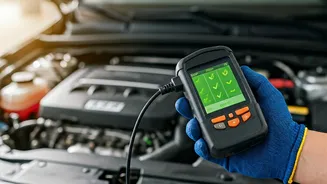
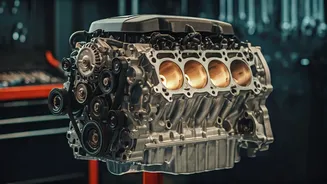
Knowing the key components of your car and how they work together empowers you to spot problems early on. The engine, the heart of the vehicle, requires regular attention, including checking oil levels and listening for unusual noises. The braking system, essential for safety, should be inspected regularly for wear and tear on pads and rotors. Tires, constantly in contact with the road, need to be checked for proper inflation and tread depth. Furthermore, inspecting belts, hoses, and the cooling system is also vital. A visual inspection under the hood combined with a careful listen to your car's sounds can alert you to potential issues before they become major problems. Familiarizing yourself with these vital components enables you to communicate effectively with mechanics and address issues proactively. The earlier you address the problem, the better your car will be.
Decoding Warning Signs
Your car communicates its needs through a variety of warning signs, from dashboard lights to unusual sounds. Understanding these signals is essential for timely intervention. A check engine light, for instance, can indicate anything from a loose gas cap to a serious engine problem. Strange noises, such as squealing brakes or a knocking engine, can signal immediate problems. Leaks under your car may show a fluid leak that needs to be checked. Decreased performance, such as sluggish acceleration or reduced fuel efficiency, can also suggest an underlying issue. Do not ignore these warning signs! Addressing them immediately prevents bigger issues and costly repairs later. The key is to be attentive to your car's performance and address any changes promptly.
Fluid Check Essentials
Fluids are the lifeblood of your car, each performing a vital function. Engine oil lubricates and cools the engine, preventing friction and wear. Coolant regulates engine temperature, preventing overheating. Brake fluid transmits the force from the brake pedal to the brakes, and transmission fluid keeps the transmission working. Power steering fluid assists with steering. Regularly checking and topping off these fluids, as necessary, is a fundamental aspect of car care. Look for any leaks, and follow the manufacturer's recommendations for fluid types and change intervals. Keeping these fluids in good condition ensures optimal performance and prevents costly damage. The basic steps of fluid checks should be part of your routine maintenance.
Tire Care Fundamentals
Tires are the only point of contact between your car and the road, making their condition critical for safety and performance. Properly inflated tires improve fuel efficiency and provide better handling. Check your tire pressure regularly, using a tire pressure gauge and inflating them to the manufacturer's recommended pressure. Inspect your tires for uneven wear, cuts, bulges, and other damage. Rotate your tires every 6,000 to 8,000 miles to ensure even wear. Proper tire maintenance prolongs the life of your tires, improves fuel economy, and enhances vehicle safety. Make a habit of checking your tires regularly, ensuring the wheels can provide a safe and comfortable ride.
Choosing the Right Mechanic
Finding a reliable mechanic is essential for keeping your car healthy. Seek recommendations from friends, family, or online reviews to find a trustworthy shop. Check for certifications, such as those from the National Institute for Automotive Service Excellence (ASE), which indicates a mechanic's expertise and commitment to quality. Ask about the mechanic's experience with your specific make and model. Get a written estimate before any work is performed and don't be afraid to ask questions about the repairs. Build a positive relationship with your mechanic to provide transparency and trust. The right mechanic can be your partner in maintaining your car's long-term health.