







Regular Oil Changes
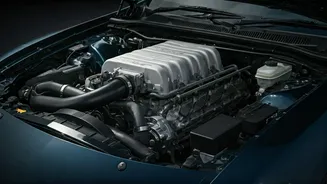
The engine's internal components, a complex system of moving parts, rely heavily on clean engine oil for smooth operation. This vital fluid acts as a lubricant,
significantly reducing friction and wear between parts. Furthermore, engine oil plays a crucial role in capturing and containing dust, dirt, and other debris, preventing them from circulating and causing damage. It is imperative to monitor the engine oil level and its recommended grade at consistent intervals. Adhering to the manufacturer's specified schedule for oil changes is essential to maintain optimal lubrication and protect your engine from premature wear and tear, ensuring its longevity and performance.
Coolant System Health
Maintaining the correct engine coolant level is paramount to managing the considerable heat generated during your car's operation. The coolant dissipates this heat, preventing the powertrain from overheating and sustaining damage. Manufacturers typically recommend a precise mixture of coolant and distilled water, usually a 1:1 ratio, to achieve optimal cooling efficiency. Regularly checking the coolant reservoir to ensure it is adequately filled is a straightforward yet critical maintenance task. Neglecting this can lead to severe overheating issues, potentially causing expensive repairs and compromising the engine's integrity and overall functionality.
Air Filter Care
The air filter is a critical component responsible for ensuring that only clean air enters your engine. By trapping airborne contaminants, it prevents them from causing harm to the engine's sensitive internal mechanisms. A clogged or dirty air filter restricts airflow into the engine, a condition that can lead to incomplete fuel combustion. This inefficiency not only increases harmful emissions but also noticeably reduces fuel economy. Therefore, it is vital to periodically inspect your air filter and have it cleaned or replaced as needed. A clean air filter allows your engine to 'breathe' more freely, contributing to better performance and efficiency.
Detecting Oil Leaks
Vigilantly checking for any signs of oil leaks beneath your car is a crucial maintenance step. Leaks can indicate underlying damage to the engine and, if left unaddressed, can lead to significant mechanical problems. It is advisable to take your vehicle to a qualified mechanic for immediate inspection and repair if you notice any oil seepage. Regularly lifting the hood to visually inspect for leaks from various engine components, including those related to engine oil and antifreeze, is also a proactive measure. Early detection and prompt repair of oil leaks can prevent more substantial and costly damage to your engine and the vehicle as a whole.
Fuel Management
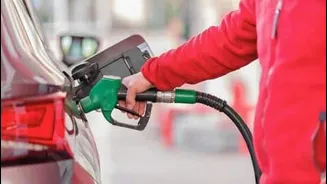
Avoiding the habit of driving with your fuel tank on reserve is a wise practice for engine longevity. The bottom of a fuel tank can accumulate sediments, which can be detrimental to the delicate parts of your engine. When you drive on low fuel, these sediments can be drawn into the fuel pump and subsequently into the engine. This influx of debris can cause considerable wear and tear, potentially leading to expensive repairs or replacement of the fuel filter, pump, and even the engine itself. Maintaining an adequate fuel level in your tank prevents these issues and ensures smoother engine operation.