

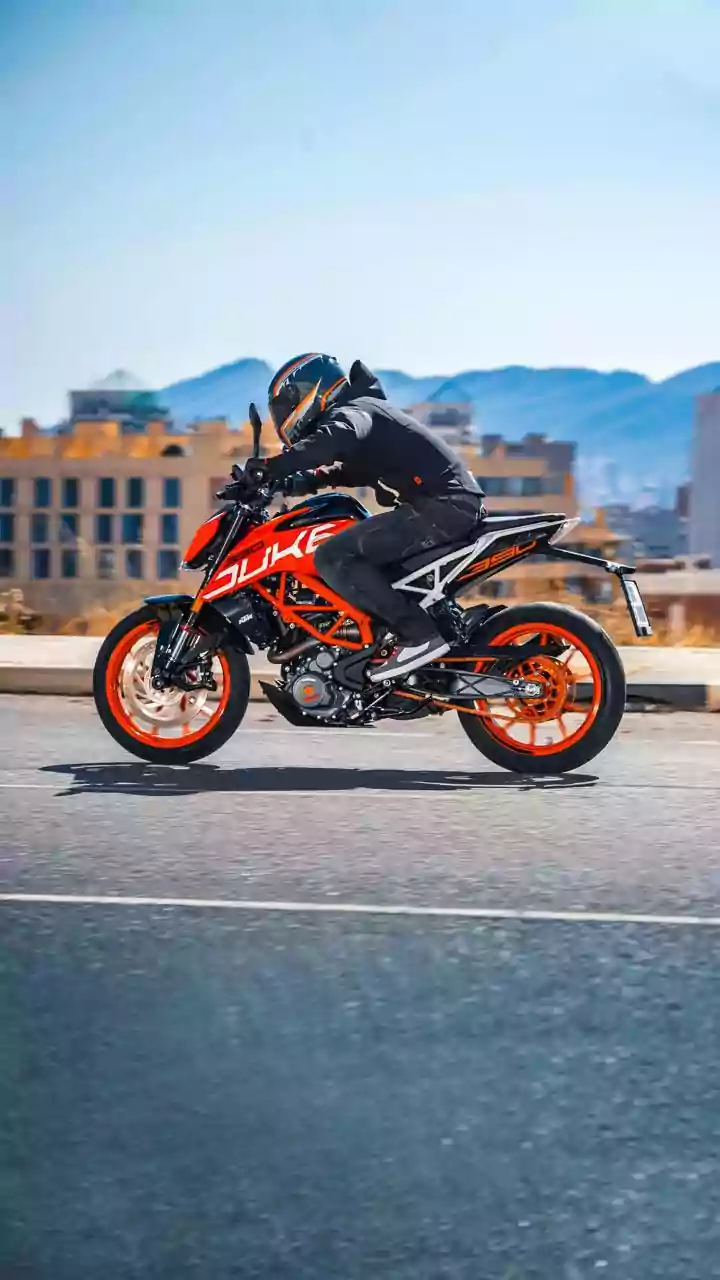




Performance and Handling
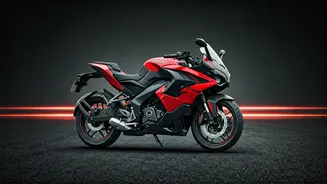
The Pulsar RS200 is known for its sporty performance, largely attributed to its engine and design. The bike's 199.5cc, single-cylinder, liquid-cooled engine is a central
element, generating considerable power. The motorcycle’s design promotes a sporty riding posture and agile handling. This means it is designed for riders seeking a dynamic and responsive motorcycle. The RS200's performance is further supported by features like a perimeter frame, enhancing stability at higher speeds and during aggressive cornering. The combination of engine power, chassis design, and handling characteristics defines the RS200's performance profile, positioning it as an attractive option in the sportbike segment. Prospective buyers should test ride the motorcycle to assess its performance in real-world scenarios and determine if it meets their expectations for power delivery and handling responsiveness.
Features and Technology
The Bajaj Pulsar RS200 is equipped with a range of features and technology that enhance its appeal. These features typically include a digital instrument cluster that provides essential information like speed, RPM, and fuel levels. The lighting system, often featuring LED headlights and tail lights, is designed to offer better visibility and aesthetics. The safety features, such as disc brakes on both the front and rear wheels, are frequently complemented by an anti-lock braking system (ABS) to improve stopping performance. The RS200’s features are aimed at improving rider comfort, safety, and overall user experience. Understanding these technological aspects enables buyers to assess the bike's suitability for their individual needs and preferences. Potential owners should explore all features, including the instrument cluster's functionality, and evaluate how the technology integrates into their riding style.
Fuel Efficiency
Fuel efficiency is an important factor for potential Bajaj Pulsar RS200 buyers. The fuel economy of the RS200 is a critical aspect, often influenced by riding conditions and the rider’s style. In typical usage, the RS200 is designed to offer an acceptable mileage. However, the specific fuel efficiency can fluctuate based on factors such as city traffic, highway speeds, and how the motorcycle is maintained. Riders who prioritize fuel economy should be conscious of their riding habits, such as avoiding aggressive acceleration and maintaining consistent speeds. Regular maintenance, including timely servicing and correct tire pressure, can also positively impact fuel efficiency. Prospective buyers should research real-world fuel economy figures reported by other users and test the bike's fuel consumption under conditions similar to their usual riding environment to make an informed decision.
Maintenance and Service
Owning a Bajaj Pulsar RS200 involves ongoing maintenance and servicing. Regular maintenance is essential for keeping the motorcycle in optimal condition and ensuring its longevity. Routine service tasks include oil changes, filter replacements, and checking various mechanical components. Bajaj typically provides a service schedule outlining recommended intervals for various maintenance tasks. Adhering to the service schedule helps prevent potential issues and maintains the bike's performance. The availability and cost of spare parts and service centers are also important considerations. Owners should be aware of the costs involved in these services and the accessibility of qualified technicians. Choosing a reliable service center can significantly impact the long-term cost and ownership experience. Prospective buyers should explore the maintenance costs associated with the RS200, including the expenses for routine servicing and possible repairs to have a realistic understanding of the total cost of ownership.
Price and Value
The price and overall value proposition of the Bajaj Pulsar RS200 are key factors in the buying decision. The price of the RS200 needs to be evaluated in context of its features, performance, and the competitive landscape. Assessing the price against what the motorcycle offers—performance, features, and overall ownership costs—is critical. Comparing the RS200 with other motorcycles in its segment helps determine its competitiveness and value. Consider the depreciation rate of the motorcycle, the resale value, and the costs associated with ownership. Buyers should evaluate whether the price aligns with their budget and whether the motorcycle’s features and performance meet their needs. The value proposition is a balance of initial cost, ongoing expenses, and the long-term experience of owning the RS200. Prospective buyers should compare its price with similar models to assess the value it offers in the market.