




The Shifting Metrics
For decades, the allure of automobiles was predominantly measured by quantifiable achievements like top speed and acceleration times. These figures have
historically defined automotive excitement. However, this paradigm is undergoing a significant transformation. While performance metrics remain important, they are increasingly viewed as fundamental necessities rather than the sole drivers of automotive thrill. This evolution signifies a crucial change in what makes a car truly engaging for its operator. The emphasis is subtly but surely moving away from the raw numbers that once dominated the conversation around performance vehicles.
Hypercars & Hollow Thrills
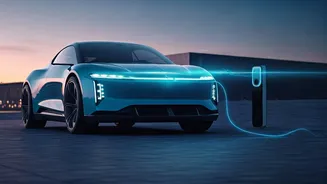
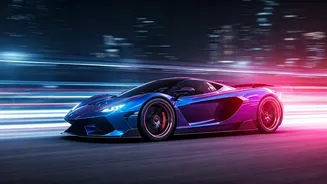
The advent of extreme high-performance machines, including hypercars and their electric counterparts, has amplified the raw power and instantaneous acceleration to unprecedented levels. While the initial surge of torque and immediate responsiveness of electric and hybrid powertrains can be intoxicating, this intensity often proves fleeting. The problem lies in the diminished role of the driver in achieving these phenomenal speeds. The act of driving becomes almost passive; there's little effort required to extract the car's potential. The exhilarating sensation is so rapid that the experience is over before the driver can truly process or engage with it, leading to a sense of emptiness once the novelty wears off. This rapid, automated performance leaves little room for the driver's skill and feedback.
The Driver's Diminished Role
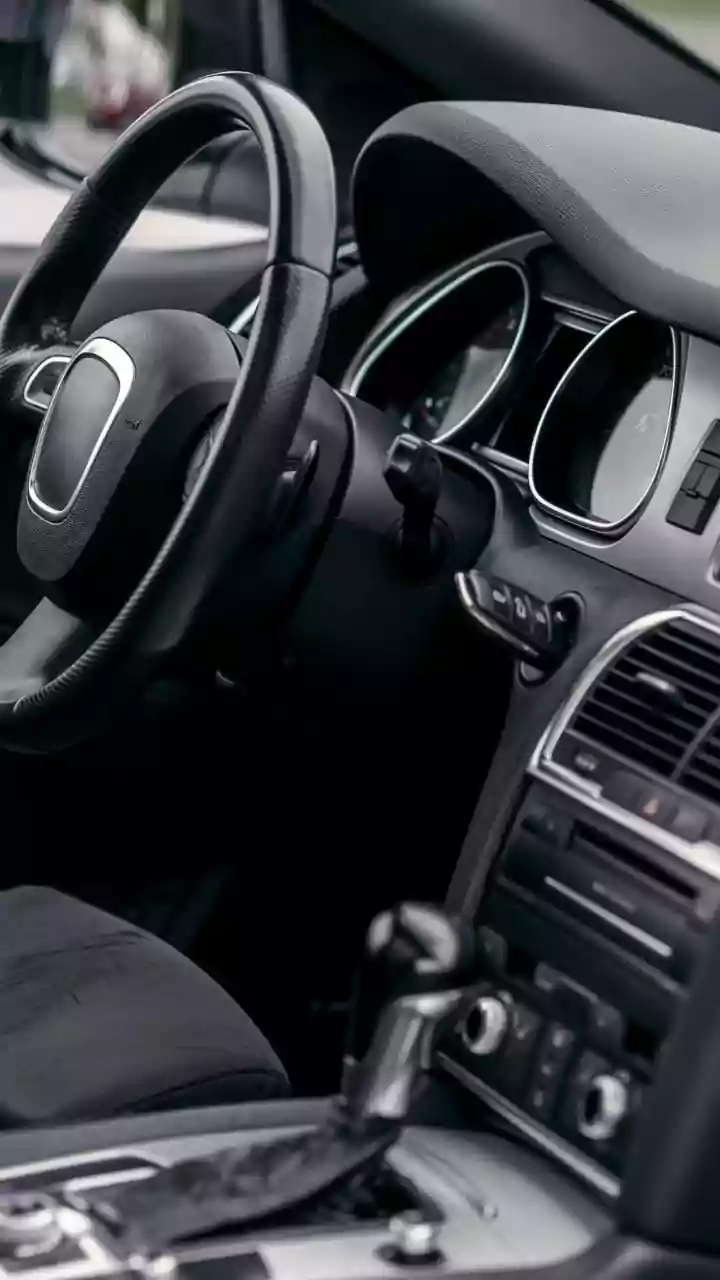
A significant factor contributing to this hollow feeling is the driver's reduced involvement in the driving process. In many modern performance cars, particularly those with advanced driver-assistance systems and powerful electric powertrains, the car handles much of the heavy lifting. Gone are the days of wrestling with wheelspin, carefully modulating the throttle to maintain traction, or the satisfying precision of executing a perfect gear change. Electric vehicles further remove auditory cues, like the roar of an engine, which traditionally correlated with a driver's inputs. Cornering, too, is often managed by sophisticated electronics that ensure flawless grip and precise trajectory, reducing the driver to a mere spectator rather than an active participant. The car's systems manage everything with computer-controlled perfection, making the driver's actions feel secondary.
Rediscovering Visceral Connection
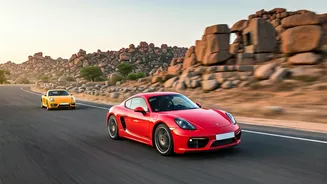
This overreliance on straight-line performance and automated cornering has illuminated a profound truth: genuine driving pleasure transcends mere statistics. The true essence of driving excitement now lies in the car's responsiveness to the driver's commands. It’s about the driver's ability to intuitively understand the vehicle's behavior – how grip levels are shifting on each wheel, how weight transfer is occurring, and at what rate. Crucially, it involves the driver's capacity to influence the car's trajectory, even when the tires are pushed to their limits and begin to protest. This connection fosters a much deeper and more rewarding driving experience than simply being a passenger in a fast machine.
Evolving for the Driver
While speed remains an undeniable thrill, performance vehicles must evolve beyond simply delivering raw numbers and formidable g-forces. They need to offer a more visceral and engaging experience that prioritizes the driver. The trend of removing the human element from the man-machine interface might be acceptable for basic transportation, but for enthusiast vehicles, a genuine driver-car connection is paramount. To move forward, the automotive industry may need to pause and reflect on past driving experiences, incorporating the lessons learned into future designs. The best of driving pleasure, it seems, is likely still on the horizon, promising a future where cars truly cater to the driver.