








Introducing AI Road Surveillance
The National Highways Authority of India (NHAI) is embarking on a significant technological upgrade by implementing an AI-powered dashcam monitoring system
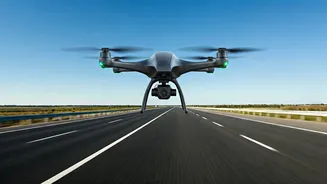
across a vast network of approximately 40,000 kilometers of its highways. This forward-thinking initiative represents a pivotal advancement in smart road management, aiming to bolster maintenance effectiveness, elevate safety benchmarks, and facilitate continuous tracking of road conditions through data-driven intelligence and automated oversight mechanisms nationwide. The core of this new system, identified as Dashcam Analytics Services (DAS), harnesses the power of Artificial Intelligence (AI) and Machine Learning (ML) to meticulously observe and evaluate the state of the highways. High-resolution dashcams will be integrated into Route Patrol Vehicles (RPVs), which will systematically traverse various highway segments to capture continuous video and image data. This rich data stream will then be processed by sophisticated AI algorithms to automatically identify over 30 distinct types of road defects and anomalies, thereby minimizing the reliance on manual inspections and expediting the identification of necessary repairs.
Comprehensive Monitoring Capabilities
The AI-driven system is engineered to perform a wide array of monitoring tasks, with a primary focus on the integrity of the road surface itself. This includes the meticulous detection of issues such as potholes, developing cracks, and general surface wear and tear that can compromise ride quality and safety. Beyond pavement conditions, the system extends its surveillance to critical road infrastructure components. It will actively monitor the state of lane markings, the functionality and condition of crash barriers, the operational status of streetlights, and the visibility and clarity of signage. Furthermore, the scope of monitoring encompasses the identification of potential safety hazards and unauthorized encroachments. This means the system will be capable of detecting illegal openings in medians, the presence of unauthorized hoardings, obstructions along the roadside that could impede traffic flow, and instances of improper parking. The system will also keep an eye on environmental factors and infrastructure issues like waterlogging, overgrown vegetation that might obscure signs or drainage systems, blockages in drainage channels, and the overall condition of designated bus bays.
Nighttime Safety and Data Integration
To ensure a holistic approach to safety, NHAI will also conduct specific nighttime surveys. These targeted inspections are crucial for evaluating the effectiveness and visibility of road markings under low-light conditions, checking the performance of reflective markers that guide drivers, and assessing the overall adequacy of highway lighting systems. The data collected from these extensive surveys, both day and night, will be channeled into a centralized digital platform. This platform is equipped with advanced AI analytics and interactive dashboards, providing highway officials with a real-time view of conditions across the network. This integration allows for continuous monitoring, enables comparisons of data over different time periods to identify trends, and facilitates more efficient tracking of the progress of repair and maintenance activities. To manage this vast amount of information effectively, the entire highway network will be segmented into five distinct operational zones, enhancing data organization and oversight. The valuable insights generated by the AI system will be seamlessly integrated into NHAI's central data ecosystem, ensuring that identified issues are addressed promptly and efficiently.