



Speeding Across India
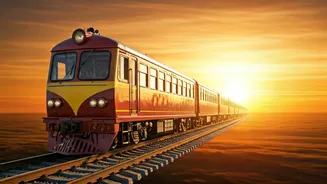
India's rail system is experiencing a rapid evolution, with significant investments in infrastructure and technology. A crucial aspect of this modernization
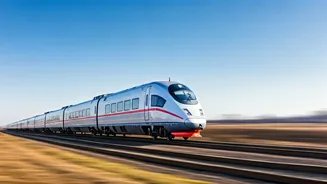
is the development and deployment of high-speed trains designed to significantly reduce travel times and enhance passenger experience. These trains are engineered to operate at higher speeds, connecting major cities and reducing transit times. The introduction of these high-speed trains is changing how people travel across India. This modernization is enhancing the country's transportation infrastructure and pushing toward an era of more streamlined and efficient movement.
Advanced Engineering
The construction of India's fastest train involved advanced engineering and cutting-edge technology. These trains often incorporate aerodynamic designs to minimize air resistance, enabling them to reach and sustain high speeds. State-of-the-art signaling systems and track infrastructure are essential for these trains to operate safely at higher speeds. The trains are equipped with features like improved suspension systems for a smoother ride, and advanced braking systems for rapid and controlled stopping. This blend of design and engineering ensures these high-speed trains can provide a comfortable and safe travel experience.
Passenger Experience Enhanced
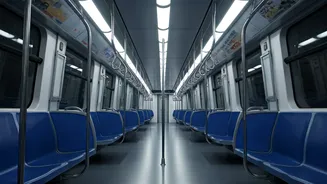
The interior of India's fastest train is designed with passenger comfort in mind. The trains offer a range of amenities and features aimed at improving the travel experience. Seats are often designed ergonomically, providing comfort for extended journeys. Passengers are provided with Wi-Fi, entertainment systems, and charging facilities, allowing them to stay connected and entertained throughout their trip. The incorporation of these features transforms the journey into a seamless and enjoyable experience. Modern amenities and a focus on comfort are key aspects of these high-speed trains.
Impact on Transportation
The introduction of India's fastest train has a broad impact on the transportation landscape of the country. By reducing travel times between cities, these trains boost business and tourism, as well as facilitate easier commutes. High-speed rail connections contribute to economic development by linking major urban centers. This also leads to an increase in regional trade and tourism. Furthermore, the efficiency of these trains can reduce road congestion and decrease the carbon footprint of travel, contributing to a more sustainable transportation network. They provide a more efficient, comfortable, and environmentally friendly transport option.
Future Developments
The Indian Railways is planning the continued expansion and enhancement of its high-speed rail network. Ongoing projects involve the construction of new lines and the upgrade of existing infrastructure to support these advanced trains. There are plans to introduce even faster trains, expanding connectivity to new areas and improve speed. The development of high-speed rail technology is essential for India's long-term infrastructure goals. The focus is not just on speed, but also on efficiency, safety, and passenger satisfaction. The future holds numerous advancements for India's railway system.