
Safety First Initiatives
The Union Budget 2026 positioned safety as a cornerstone of railway reform. The focus was to diminish accidents by employing modern technologies and infrastructure
improvements. This included the deployment of advanced signaling systems across the network, ensuring precise train control and minimizing the chances of collisions. Furthermore, investments were allocated for track maintenance and renewal, with a goal of reducing derailments and improving overall track reliability. These changes were intended to provide a safer environment for railway passengers. Moreover, a critical component of the safety initiatives involved training programs for railway personnel to enhance their skills in safety protocols and emergency response. The emphasis was placed on preventative measures and immediate reactions to ensure passenger safety remained paramount.
Passenger Experience Boost
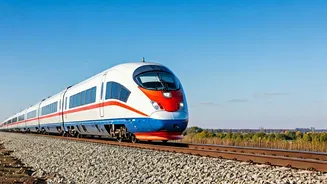
Passenger comfort and convenience became a core focus of the Union Budget 2026. The plan included enhancing the quality of amenities in railway stations and trains. This involved upgrades to existing infrastructure, such as improved waiting areas, clean restrooms, and reliable Wi-Fi. In addition, there were plans for modernizing the train fleet by introducing newer coaches that offered enhanced features like better seating, more legroom, and improved air conditioning. Emphasis was given to accessibility, ensuring that passengers with disabilities were given priority. Efforts to improve the overall passenger experience extended to streamlining ticketing processes and offering digital services to ease travel planning and management. The goal was to make train travel more convenient and comfortable for all.
Infrastructure Modernization Plans
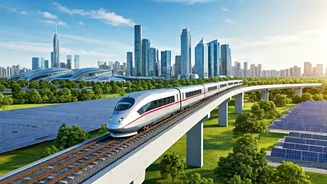
The Union Budget 2026 also focused on modernizing the railway infrastructure. This included investments in upgrading existing lines and expanding the railway network. The plan involved the construction of new tracks, expansion of railway stations, and the implementation of advanced technologies. The aim was to increase the capacity of the railway system and make it more efficient. Significant funding was allocated to electrification projects, which would reduce the carbon footprint of the railways and lower operational costs. Furthermore, investment in high-speed rail corridors was considered. This was to facilitate faster and more reliable transportation. This comprehensive approach towards infrastructure aimed at creating a railway system that met the needs of the modern Indian economy.
Technological Advancements Introduced
Technology played a key role in the railway reforms outlined in the Union Budget 2026. This encompassed integrating advanced systems for improved operational efficiency. Digital platforms were introduced to improve ticketing, train scheduling, and real-time tracking of trains. Artificial intelligence was used to improve predictive maintenance of tracks and equipment, minimizing potential disruptions. The use of data analytics helped optimize operations, reduce delays, and improve the overall performance of the railway system. The advancements in technology streamlined many aspects of railway operations, making them more user-friendly and efficient.
Financial Strategy Insights
The success of the Union Budget 2026's railway reforms was dependent on strategic financial planning. The government planned a multi-pronged approach to fund the extensive modernization and safety improvements. This included a combination of budgetary allocations, private sector partnerships, and revenue generation strategies. Emphasis was placed on ensuring that investments yielded a high return. Public-private partnerships offered a means to bring in additional funding and expertise for infrastructure projects. Financial transparency and efficiency were key objectives, with a goal of ensuring that railway projects were executed efficiently and on time. These financial strategies were designed to support the long-term sustainability and growth of the Indian railway system.