







New Corridor Unveiled
In a significant infrastructure development, the Greater Noida Industrial Development Authority has given the green light to a crucial 37-kilometer roadway
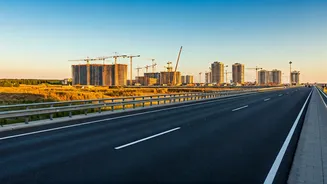
project. This ambitious initiative aims to forge a direct and efficient link between Greater Noida and the expansive Ganga Expressway. The envisioned corridor is slated to be an eight-lane superhighway, designed with the primary objectives of enhancing travel efficiency and bolstering the transportation network within this vital region. This development is set to revolutionize how people and goods move across western Uttar Pradesh, making journeys quicker and more streamlined than ever before. The plan focuses on creating a seamless travel experience for both everyday commuters and commercial enterprises utilizing the extensive connectivity offered by the Ganga Expressway.
Seamless Hapur Bypass Integration
The strategic design of this new corridor ensures it will extend all the way to the Hapur Bypass, where it will smoothly integrate with the existing Ganga Expressway. This confluence point is key to establishing an uninterrupted travel route from Greater Noida to numerous significant economic centers connected via the Ganga Expressway. Once this project is finalized, it is projected to dramatically reduce the transit duration between Greater Noida and the expressway, bringing it down to an estimated 30 to 45 minutes. This direct connection is anticipated to alleviate the considerable traffic burden currently experienced on existing routes, which often become congested with passenger vehicles and heavy freight. The authorities are confident that this decongestion will lead to more predictable travel times and improved operational efficiency for businesses relying on road transport.
Boosting Commuter & Freight Flow
This upcoming road project has been meticulously planned to address the escalating volume of vehicular traffic in the National Capital Region and its surrounding industrial belts. The new eight-lane artery is expected to provide a much smoother passage for all types of vehicles, from personal cars to large commercial trucks. This enhanced mobility is particularly beneficial for the heavy logistics traffic that frequently travels between Greater Noida and key economic hubs accessible through the Ganga Expressway. By offering a more direct and less congested alternative, the project aims to decrease reliance on currently overburdened highways and urban thoroughfares that are notorious for long delays during peak commuting hours. This will translate into significant time savings and cost reductions for commercial operations.
Catalyst for Growth
Authorities are optimistic that the enhanced connectivity facilitated by this new corridor will serve as a powerful engine for strengthening the logistics infrastructure across the western parts of Uttar Pradesh. With swift access to the Ganga Expressway, industrial zones situated near Greater Noida stand to gain improved links to burgeoning economic areas and markets located in eastern Uttar Pradesh. Furthermore, officials foresee this development as a magnet for new investments. Sectors such as warehousing, manufacturing, transportation, and commercial real estate are likely to see increased activity and development along this improved transport corridor. Industry experts also suggest that such large-scale infrastructure improvements often correlate with a rise in land values and subsequent urban expansion in the adjacent areas, particularly near the industrial and transport arteries.
Part of Larger Vision
The development of this direct link between Greater Noida and the Ganga Expressway is a critical component of the Uttar Pradesh government's wider strategy to modernize its transportation network and enhance mobility across its important urban and industrial centers. Over recent years, the state administration has placed a strong emphasis on expanding its network of expressways, reinforcing regional connectivity, and bridging the gap between the National Capital Region and the more interior districts of Uttar Pradesh. This specific project is viewed as a foundational element that will support sustained economic development in the long run, while simultaneously improving the ease of travel for residents, businesses, and commercial operators throughout the entire region.