






Smart Roads Ahead
The National Highways Authority of India (NHAI) is ushering in a new era of road upkeep with an ambitious AI-driven initiative. Spanning an impressive
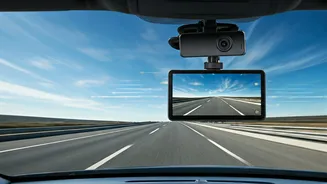
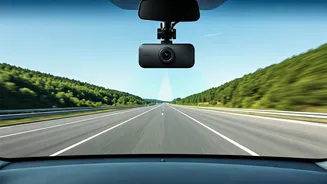
40,000 kilometers of national highways, this project introduces a sophisticated dashcam monitoring system designed to identify and rectify road imperfections with unprecedented speed and accuracy. By integrating Artificial Intelligence and Machine Learning into its operational framework, NHAI is moving away from traditional, labor-intensive inspection methods. This digital transformation promises to not only enhance the safety of our roadways but also to significantly reduce the prevalence of issues like potholes. The core of this innovation lies in specialized, high-resolution cameras strategically mounted on Route Patrol Vehicles (RPVs). These RPVs will conduct regular, weekly surveys, capturing detailed visual data of the road surfaces, crucial signage, and surrounding infrastructure. The AI algorithms will then meticulously analyze this wealth of information to detect a wide array of over 30 distinct types of road defects, ensuring a proactive approach to maintenance and a more reliable national road network for millions of commuters.
RPVs: The Eyes on the Road
Route Patrol Vehicles (RPVs) are being repurposed and enhanced to become the frontline of this advanced road monitoring system. These dedicated NHAI vehicles, typically tasked with assisting stranded motorists, managing incidents, and reporting immediate hazards, will now be equipped with cutting-edge dashcams. These cameras are designed to continuously gather high-quality video and image data during their regular patrols. This data capture is not limited to daylight hours; special night surveys will be conducted weekly each month to specifically evaluate the performance of road studs, lane markings, and external lighting systems. The information collected by these RPVs provides a comprehensive overview of highway conditions, even in remote areas where continuous physical presence of maintenance crews is impractical. Crucially, NHAI clarifies that this system relies exclusively on its own fleet of RPVs and their authorized dashcams. This controlled approach ensures the integrity and accuracy of the data collected, sidestepping any potential privacy concerns associated with utilizing feeds from private vehicle dashcams. The AI models are trained to automatically flag anomalies, from surface wear and tear to more significant issues like unauthorized median openings and broken crash barriers.
Data-Driven Maintenance
The vast amount of data generated by this AI-powered monitoring system necessitates a robust IT infrastructure. NHAI is developing a specialized platform equipped with advanced dashboards and analytical tools. This platform will enable highway teams to visualize road conditions, analyze trends, and compare current data with historical records. Such detailed insights are vital for efficient decision-making, allowing for quicker dispatch of repair crews to specific problem areas and facilitating long-term strategic maintenance planning. The integration of these findings into the NHAI Data Lake will further streamline operations, enabling faster responses to identified defects and contributing to the overall enhancement of the national highway network. This holistic approach, combining real-time data collection with sophisticated analytical capabilities, signifies a significant leap forward in how road infrastructure is managed, promising safer, more durable, and reliably maintained highways across the country.