








Strategic Importance Unveiled
Greenland's strategic significance arises from its geographical location in the Arctic, positioning it between North America, Europe, and Russia. Its location makes
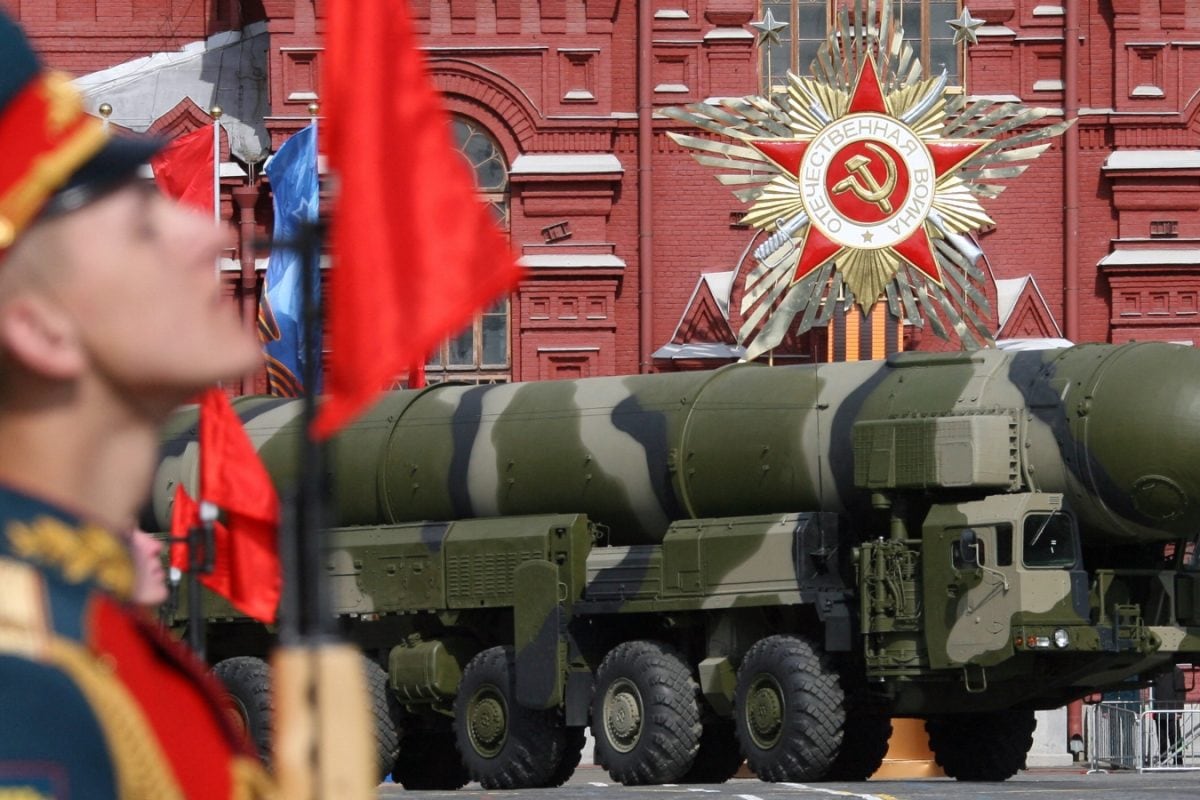
it a crucial area for monitoring potential threats, including missile launches. Control over Greenland provides advantages in intelligence gathering and military projection, contributing to the US's broader national security strategy. The island's remote location and harsh environment also create opportunities for deploying advanced military technologies without immediate detection, enhancing defensive capabilities and potentially deterring adversaries. This strategic relevance fueled Trump's renewed interest.
Historical Context Revisited
The US's interest in Greenland isn't new. It goes back to the Cold War when the island's strategic location was crucial for detecting Soviet threats. The US offered to buy Greenland in 1946 but was turned down. This demonstrates that Trump's ambitions were aligned with a long-standing strategic vision, although the renewed attempt was seen by many as highly unusual. Historically, the US has maintained a significant presence through the Thule Air Base, a vital strategic asset. This base plays a crucial role in missile warning systems, reaffirming the US's continued strategic interest in Greenland. Understanding this history is key to grasping the depth of Trump's initiative.
National Security Rationale
Trump framed the acquisition of Greenland through the lens of national security. He suggested that securing the island would offer the US a critical advantage in monitoring and responding to potential threats from various regions. The control of Greenland would potentially enhance the US's military and intelligence operations. This rationale resonated with a specific audience, highlighting the need to safeguard US interests in a changing global landscape. For Trump, Greenland’s acquisition was seen as a way to enhance US standing in an increasingly competitive global power dynamic, especially considering developments in the Arctic and emerging powers like Russia.
Geopolitical Implications Explored
The plan to acquire Greenland sparked considerable debate globally, given the potential impacts on international relations and regional stability. It drew strong reactions from Denmark, the country that oversees Greenland, and raised concerns regarding the sovereignty of the island. Other nations expressed their views on the US's possible expansionist moves. Some saw the move as an attempt to enhance the US’s influence in the Arctic, while others viewed it as a sign of aggressive foreign policy. These geopolitical implications underscore the sensitivity of the issue, which involves complex considerations of sovereignty, strategic interests, and international cooperation.
Challenges and Considerations
The purchase of Greenland is filled with both practical and political challenges. Negotiating with Denmark and addressing the concerns of Greenland's population, who have significant autonomy, would be vital for any purchase. Financial factors, including the cost of acquiring the island and maintaining its infrastructure, are substantial hurdles. Also, it’s necessary to resolve environmental concerns linked to the extraction of Greenland's abundant natural resources. Therefore, Trump's ambition presents a wide range of considerations that would need to be addressed before any action could be taken. The complex interplay of these factors indicates that the matter is far from straightforward.