



Solar Maximum Explained
The sun's activity isn't constant; it fluctuates on an approximately 11-year cycle. This cycle is characterized by periods of increased and decreased solar
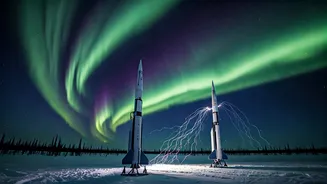
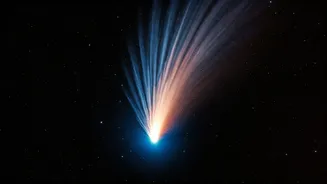
activity. The phase of high activity is known as the solar maximum. During this time, the sun experiences an increase in sunspots, solar flares, and coronal mass ejections (CMEs). These events release massive amounts of energy and particles into space. The year 2026 is projected to coincide with the peak of the current solar cycle, suggesting a surge in auroral activity. This creates the optimal conditions for the Northern Lights.
Geomagnetic Storms Unveiled
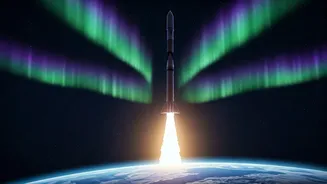
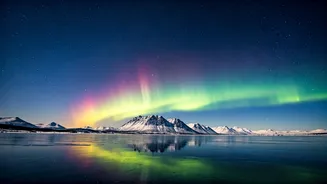
When the sun releases a CME, a cloud of charged particles is launched towards Earth. If this cloud interacts with Earth's magnetic field, it can trigger a geomagnetic storm. Geomagnetic storms can affect various systems, like power grids and satellite communications. However, they also play a crucial role in creating auroras. As the charged particles from the sun collide with gases in Earth's atmosphere, they excite the atmospheric particles, causing them to emit light. The colors of the aurora depend on which gases are excited and at what altitude, leading to the stunning displays we see in the sky. These storms are expected to be more frequent during 2026.
Why 2026 is Special
The projected solar maximum in 2026 makes this year particularly promising for aurora viewing. With the sun's activity at its peak, solar flares and CMEs will be more common, increasing the likelihood of geomagnetic storms. The intensity of these storms is also predicted to be higher than in recent years, potentially resulting in auroras that are visible further south than usual. This means that people in locations that rarely see the Northern Lights may have an opportunity to witness them. Experts suggest that post-solar maximum storms could also lead to prolonged displays of aurora borealis.
Best Viewing Locations
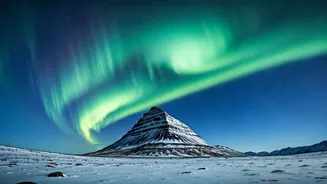
To maximize your chances of seeing the Northern Lights in 2026, it's essential to be in the right location. Areas near the Arctic Circle, like Iceland, Norway, and Northern Canada, typically offer the best viewing opportunities. These locations are within the auroral oval, a region where auroras are most frequent. However, the increased activity expected in 2026 may also make auroras visible in more southerly locations. The key is to find a dark location, away from light pollution. Clear skies and a good view of the northern horizon are also crucial for observing this incredible phenomenon.
Tips for Viewing
Planning is key to a successful aurora viewing experience. Check the aurora forecast regularly, which predicts the strength of geomagnetic storms and the potential visibility of the aurora. The Kp index, a number from 0 to 9, indicates the geomagnetic activity level. A higher Kp index suggests a greater chance of seeing the aurora. Avoid light pollution. Consider going out during the colder months when nights are long and skies are often clearer. Also, be prepared with warm clothing, as you might spend hours outdoors waiting for the light display. Using a camera with a long exposure setting can capture the vibrant colors of the aurora. This makes it an ideal way to remember the spectacular display.