







Accurate Mileage Measurement
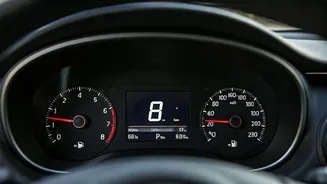
Many car owners incorrectly assume they know their vehicle's fuel economy by simply glancing at the trip meter. However, the most reliable and straightforward
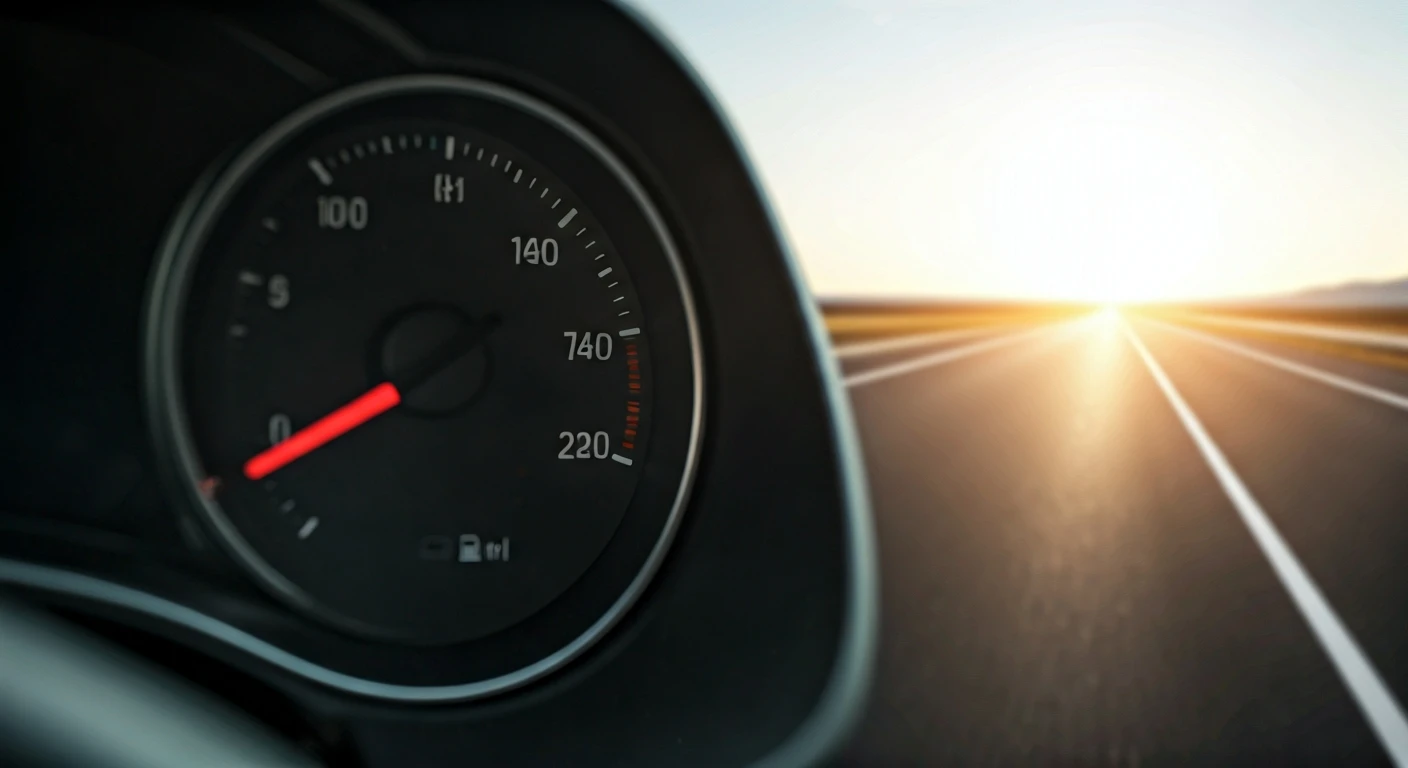
way to gauge your car's actual mileage involves a simple, manual process that bypasses the complexities of onboard computers, which can sometimes be influenced by factors like tire pressure or slight variations in wheel size. This method requires a full tank of fuel, a pen, and a notebook or the memo function on your phone to record key figures. The core principle is to track the exact amount of fuel you add to the tank and the distance you travel until the next refill. By performing this calculation consistently over several fill-ups, you'll obtain a far more accurate representation of your car's performance under real-world driving conditions, rather than relying on potentially misleading dashboard readouts. This hands-on approach empowers you with concrete data to understand your vehicle's efficiency.
Step-by-Step Guide
To begin, ensure your car's fuel tank is filled to its maximum capacity. It's crucial to fill it until the nozzle automatically clicks off, and then, if possible, a little more, but without overfilling, to establish a consistent upper limit. Reset your trip meter to zero immediately after refueling. Now, drive your car as you normally would until the fuel level is significantly low, ideally nearing the point where you would typically refuel. At this juncture, return to the same petrol station and fill the tank completely once more. Carefully note down the exact amount of fuel added to reach the full mark this second time – this is the quantity of fuel your car consumed. Record the reading on your trip meter at this moment; this is the distance covered using the consumed fuel. To calculate your mileage, divide the distance traveled (from the trip meter) by the amount of fuel you just added. For instance, if you drove 400 kilometers and added 40 liters of fuel, your mileage is 10 kilometers per liter. Repeating this process over multiple journeys will provide an averaged, highly accurate fuel efficiency figure.
Why Manual Checks Matter
While modern vehicles are equipped with sophisticated systems designed to estimate fuel consumption and display mileage, these systems are not always perfectly accurate. Factors such as variations in tire pressure, the age and condition of sensors, and even the calibration of the fuel pump itself can lead to discrepancies. The manual method, conversely, relies on fundamental principles of measurement: the volume of fuel consumed and the distance covered. This empirical approach eliminates the potential for electronic error and provides a true reflection of how your car performs on the road. Understanding your car's actual mileage is vital not only for managing your fuel budget more effectively but also for identifying potential mechanical issues early on. A sudden, unexplained drop in mileage could indicate a problem with the engine, fuel system, or even a dragging brake, allowing you to address it before it escalates into a more significant and costly repair. Therefore, dedicating a few minutes to this manual check provides invaluable, actionable data.