






FTA's Broad Overview
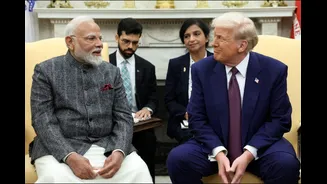
The India-EU Free Trade Agreement, or FTA, represents a significant step forward in trade relations between India and the European Union. This agreement
aims to eliminate or reduce tariffs on a wide array of goods, potentially including automobiles and their components. With the goal of boosting trade volumes, this agreement could offer access to a wider variety of vehicles for Indian consumers, and simultaneously provide Indian automotive companies with better access to the European market. The specifics of the agreement, like the phased reduction of tariffs, are critical in shaping its real-world impact. While the details are still being worked out, the potential benefits for consumers are significant, particularly in terms of choices and price.
Price Dynamics Shift
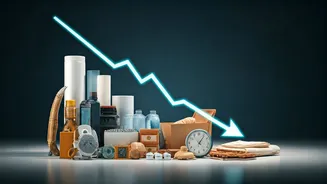
One of the most immediate impacts of the FTA that consumers would likely notice is the alteration in car prices. With the reduction of import tariffs on vehicles and their components, the prices of imported cars are likely to become more competitive. This could translate to lower prices for some European car models in the Indian market, making them more accessible to a broader consumer base. However, the price adjustments won't happen overnight. It is envisioned that they will occur over a period, giving the industry time to adjust. Furthermore, the final price changes will depend on how different carmakers react to the altered tariff environment, which includes considerations for their manufacturing costs and market strategies. There's also the likelihood of increased competition among car manufacturers, which could exert further pressure to provide more affordable prices for cars.
Increased Vehicle Choices
The India-EU FTA could result in more diverse vehicle options for Indian car buyers. With reduced tariffs, European car manufacturers might find it more appealing to introduce a wider array of models in the Indian market. This could encompass various types of vehicles, including electric vehicles and those equipped with the newest technology. The possibility of greater model selection could translate to more choices for different consumer preferences and needs. It could also lead to carmakers making specialized vehicles accessible in the Indian market. This expansion in the range of available cars could redefine the choices available to consumers, giving them access to vehicles that may have previously been impractical or unavailable in India.
Impact on Local Manufacturers
The FTA's effects are not limited to imported cars; it will also impact domestic manufacturers. With increased competition from European brands, Indian carmakers are challenged to enhance their offerings to remain competitive. This might spur Indian manufacturers to boost their production quality, technology, and customer service. Additionally, the FTA could provide opportunities for Indian manufacturers to expand their presence in the European market, potentially leading to technological collaborations and partnerships. The success of the FTA hinges on how both domestic and foreign companies adapt to the shifting market dynamics. This adaptation might involve investments in research and development, efficient supply chains, and consumer-centric strategies, all of which will shape the automotive landscape in the coming years.
Considerations and Challenges
While the FTA presents several advantages, there are factors that can potentially impact the benefits. A major challenge involves the gradual implementation of tariff reductions, which may delay the full impact of the FTA on prices. Moreover, global economic conditions, such as currency fluctuations and supply chain disruptions, could potentially affect the final cost of cars. Another challenge revolves around the regulatory landscape; changes in standards and certifications can affect the introduction of European models in the Indian market. The success of the FTA will depend not only on the trade provisions but also on how effectively stakeholders handle challenges. Consumers and carmakers should remain informed and prepared to adapt to these changes to effectively capitalize on the benefits.