
Shared Powerhouse
Both the EC-06 and the Indie are equipped with an identical 4 kWh battery pack, a key component that allows them to deliver a robust peak power of up to 6.7
kW and a substantial 26 Nm of maximum torque. This shared foundation means riders can expect similar acceleration and performance characteristics from either machine. Further enhancing their shared capabilities, both electric scooters offer three distinct riding modes tailored to different riding conditions and rider preferences. The EC-06 features Eco, Standard, and Power modes, while the River Indie provides Eco, Ride, and Rush modes, allowing for customizable power delivery. Charging times are also remarkably consistent; both manufacturers claim that a full charge from 0% to 80% will take approximately 8 hours when utilizing a 480W charger. This parity in battery, power output, and charging duration highlights the common engineering basis from which these two scooters emerge, offering a familiar experience in terms of core functionality for potential buyers.
Distinctive Design Language
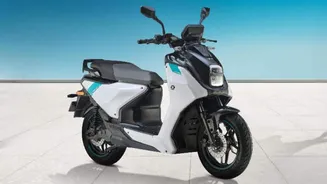
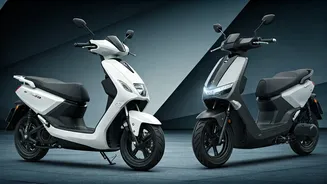
While a quick glance might reveal a similar silhouette with broad body panels and an upright stance, a closer inspection uncovers significant stylistic divergences. The front fascia of the Yamaha EC-06 presents a more minimalist and refined appearance, featuring a single, vertically oriented LED headlight unit set within a glossy black panel. This contrasts sharply with the River Indie's bolder front-end design, which incorporates twin-square LED headlamps embedded in a contrasting blacked-out section. Another subtle yet important difference is the placement of the turn indicators. On the EC-06, they are positioned higher, above the headlight, contributing to their integration and perceived safety. Conversely, the Indie's indicators are mounted lower, which, while contributing to its design, could make them more susceptible to damage in busy urban environments. Moving to the rear, the EC-06 boasts a sleek, modern aesthetic with a continuous red LED light bar spanning the width of the scooter, accentuated by prominent YAMAHA branding and a sporty rear spoiler. The River Indie adopts a more conventional, rectangular taillight design, offering a different visual appeal that aligns with its overall styling.
Practicality and Pricing
When it comes to practical considerations like storage, the River Indie takes a clear lead. It offers a generous 43 litres of under-seat storage, complemented by an additional 12 litres of covered storage space at the front. This makes it a more versatile option for carrying groceries, helmets, or other daily essentials. In contrast, the Yamaha EC-06 provides a more modest 24.5 litres of storage. This reduction is attributed to the redesign of its front section to accommodate the charging port and key slot, sacrificing some of the frontal storage capacity found on the Indie. The pricing also presents a notable divergence. The Yamaha EC-06 is positioned at a premium, retailing at Rs 1.68 lakh (ex-showroom), making it approximately Rs 22,000 more expensive than the River Indie, which is priced at Rs 1.46 lakh (ex-showroom). This price difference, combined with the disparity in storage solutions, offers buyers distinct choices based on their priorities for practicality and budget.