
City Commute Essentials
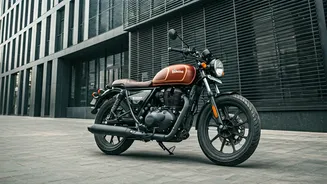
The Royal Enfield Hunter 350 was examined as a potential commuter vehicle, focusing on elements critical for daily use in urban environments. Considerations
began with its engine, which is a 349cc, single-cylinder, air-oil-cooled engine. It is recognized for its smooth power delivery, designed to make stop-and-go traffic less taxing. The Hunter's handling was tested, particularly how well it performs in tight spaces and crowded streets. Additionally, the review covered the bike's comfort factors, such as seat height, riding posture, and suspension, all vital for rider comfort during long commutes. The analysis also extended to practical features like storage, fuel efficiency, and ease of maintenance, assessing their significance in day-to-day use. Furthermore, the assessment considered the overall value proposition, taking into account the purchase price, running costs, and resale prospects of the Hunter 350, thereby providing a comprehensive evaluation of its suitability for daily office commutes.
Performance and Ride
The Hunter 350's performance was scrutinized, highlighting how it handles city traffic. The engine, a 349cc single-cylinder, air-oil-cooled unit, was praised for its smooth power delivery, easing the stresses of constant stop-start situations. Its performance in terms of acceleration and overall responsiveness was assessed, ensuring quick maneuvering through city congestion. Handling capabilities, particularly agility in weaving through tight spaces, received special attention. The review examined the bike's suspension setup, noting its effectiveness in absorbing bumps and irregularities commonly found on urban roads. Rider feedback was essential, analyzing the feel and responsiveness of the bike. The review also considered the effectiveness of the brakes. The analysis considered the engine's refinement levels, including noise, vibration, and harshness (NVH) characteristics, contributing to the overall riding experience. In conclusion, the evaluation provided an extensive understanding of the Hunter 350's performance characteristics, relevant for daily commuting.
Comfort and Ergonomics
Comfort and ergonomics were pivotal in assessing the Hunter 350's suitability for regular commutes. The riding posture was a key element, determining its impact on the rider's comfort over extended periods. The seat height and shape were evaluated to see if they accommodated various rider sizes and ensured comfort. The handlebar design and positioning were examined to see if they provided comfortable reach and control, reducing fatigue. The suspension system's role in absorbing road imperfections to maintain rider comfort was highlighted. Analysis included the rider and pillion's comfort, with space and support critically analyzed. Furthermore, ergonomics considered the placement of foot pegs, controls, and mirrors to see how they facilitated rider interaction. The aim was to determine if the Hunter 350 offered a comfortable and ergonomically sound riding experience, critical for daily use, ensuring a pleasurable commute.
Practicality and Features
The assessment of the Hunter 350's practicality focused on features essential for everyday use. Storage solutions, such as under-seat space or optional accessories, were evaluated to determine how much the bike could carry. The fuel efficiency of the motorcycle was assessed, considering its impact on running costs and the frequency of fuel stops. Maintenance aspects, including the ease of routine servicing and the availability of spare parts, were examined for practicality. The presence of features like a digital instrument cluster and a USB charging port was reviewed, as these are beneficial for commuters. The functionality of the lighting system, particularly its visibility in diverse lighting conditions, played a significant role. The review also looked at the bike's overall design, considering its aesthetic appeal and how it would fare in city environments. The goal was to establish how well the Hunter 350 met the practical needs of daily commuters, ensuring it was a functional and user-friendly choice for routine travel.
Value Proposition Analysis
The value proposition of the Royal Enfield Hunter 350 was thoroughly examined, considering factors like purchase price and running costs. Its initial cost was compared against competing motorcycles within its class to assess its affordability. The fuel efficiency of the bike played a significant role in determining the operational expenses. The costs of servicing, including both scheduled maintenance and potential repairs, were assessed. Resale value was another consideration, evaluating how the bike retained its worth over time. The analysis also included the available features and equipment relative to the price, assessing the overall value offered. Furthermore, the assessment factored in the long-term cost of ownership, combining all these elements to provide a complete understanding of its financial implications. The overall aim was to determine if the Hunter 350 presented a compelling value proposition for daily commuters, justifying its price with performance, features, and ownership costs.