







A Station Defined by Water
In Ghazipur, a peculiar railway station known as Tari Ghat once presented travelers with an extraordinary challenge: trains would halt abruptly, not at their
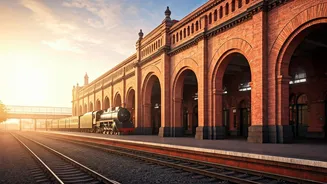
final destination, but at the edge of the vast Ganga River. The journey didn't end there; it merely changed its mode. Passengers, along with their belongings, had to disembark and find passage across the river via large wooden boats. This unique transit point, nestled near the Ganga's banks, was not just a stopover but a crucial link, woven into the fabric of British colonial trade and local history. Its existence speaks volumes about the ingenuity and the infrastructural limitations of a bygone era, where riverine transport was as vital as the burgeoning railway network. The station’s story is a captivating glimpse into how people adapted to their environment for travel and commerce.
Opium Hub Origins
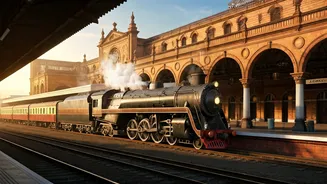
The establishment of Tari Ghat station, dating back to the 1880s, was intrinsically linked to the British administration's strategic interests, particularly concerning the lucrative opium trade. Ghazipur was a significant producer of opium, and the British sought efficient methods to transport this valuable commodity globally. Tari Ghat emerged as a pivotal logistics hub for this purpose. The short rail link connecting Tari Ghat to Dildarnagar was considered a remarkable feat of connectivity in Asia at the time. Goods, especially the opium from Ghazipur's factories, were offloaded at Tari Ghat and then conveyed along the Ganga’s extensive waterways to reach distant international markets. This operational necessity shaped the station's initial importance and its role in facilitating colonial economic ventures, highlighting a unique intersection of rail and riverine transportation.
The River Crossing Adventure
The most distinctive feature of traveling through Tari Ghat was the necessitated 'broken journey.' Without a railway bridge spanning the Ganga, trains were unable to proceed to the other side, compelling all journeys to terminate at Tari Ghat. Passengers would alight, often carrying their luggage, and make their way to the riverbank. The subsequent river crossing involved boarding substantial wooden boats, a process that could be particularly perilous during the monsoon season when the Ganga swelled significantly. This daily ritual transformed a simple train ride into an adventurous undertaking, a stark contrast to the seamless travel we experience today. For many, the station was a lively spot, filled with the aroma of tea from local stalls and the communal anticipation of the boat journey ahead.
From Bustle to Silence
In 2024, a monumental rail-cum-road bridge was completed, directly linking Ghazipur with the region previously accessed via Tari Ghat. This modern infrastructure project, while a symbol of progress and enhanced connectivity, marked the end of Tari Ghat's unique operational existence. Trains no longer need to halt for the river crossing; they now bypass the old station, speeding past the silent platforms. The once-bustling hub, alive with the sounds of passengers, vendors, and the loading of goods, has fallen into a state of quietude, with only overgrown grass marking its former vibrancy. The station, a witness to countless journeys and a vital cog in historical trade, now stands as a poignant reminder of a unique chapter in India's railway history, its story preserved in the memories of the elderly and the digital records of its past glory.