



Expressway Restrictions Explained
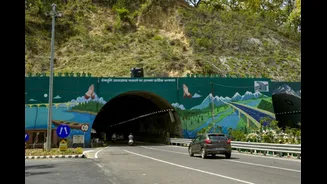
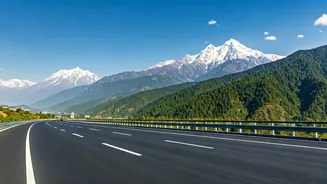
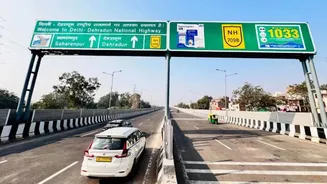
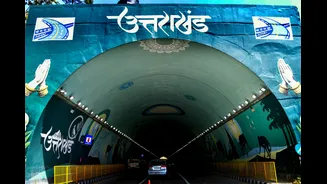
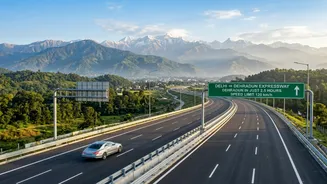
The recently inaugurated Delhi-Dehradun Expressway, a feat of modern engineering, dramatically reduces the commute from the national capital to Uttarakhand's
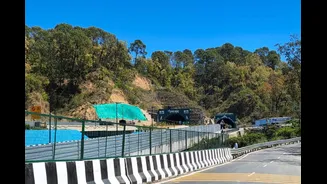
capital, slashing the journey from approximately six hours to a mere two-and-a-half. However, this high-speed, access-controlled corridor comes with a significant caveat for a large segment of road users: two-wheelers are strictly prohibited. This decision stems from the expressway's design, which prioritizes sustained high-speed vehicular traffic. Authorities have cited safety concerns arising from the considerable speed disparity between motorcycles and faster vehicles like cars and trucks, particularly on elevated sections and in sensitive zones like forest areas. The controlled entry and exit points, coupled with the multi-lane, high-speed nature of the corridor, present increased risks for slower-moving vehicles, making their exclusion a safety imperative. Riders found violating this directive will face stern enforcement, including substantial fines and forced diversions.
Route 1: The Haridwar Path
For riders seeking a dependable and familiar journey to Dehradun, the route via Roorkee and Haridwar remains the most recommended option. This well-trodden path is characterized by generally well-maintained road surfaces, ensuring a relatively smooth ride. A significant advantage of this route is the readily available infrastructure, with numerous fuel stations and eateries strategically placed along the way, catering to the needs of travelers. Furthermore, assistance is typically easy to find should any mechanical issues or emergencies arise. With existing traffic diversions already funneling vehicles through Roorkee and Haridwar due to the new expressway's restrictions, this corridor is set to remain a primary artery for two-wheeler traffic for the foreseeable future. While it doesn't offer the breakneck speeds of the new expressway, it provides a predictable and manageable journey, minimizing unexpected challenges and ensuring a safe passage for motorcyclists.
Route 2: Shamli and Saharanpur
An alternative that offers a marginally shorter distance compared to the Haridwar route is the path through Shamli and Saharanpur. While the mileage might be slightly less, riders should brace themselves for a more bustling travel experience, especially as they approach and navigate through Saharanpur. This stretch tends to have denser traffic, comprising a mix of trucks, buses, and local vehicles, which can lead to slower progress during peak hours. Despite the busier conditions, the road quality along this alignment is generally considered decent. For those who are comfortable navigating through more active traffic environments and are looking for a direct, legal way to reach Dehradun, this route presents a viable option. It’s a good choice for riders who prefer a more direct path, provided they are prepared for the increased traffic density and potential slowdowns.
Route 3: Yamunanagar's Charm
For a potentially longer but more tranquil journey, consider the route via Yamunanagar and Paonta Sahib. This path adds distance to the overall trip but compensates with comparatively lighter traffic once you've cleared the initial stretches out of Delhi. As you progress towards Uttarakhand, the riding environment becomes notably more relaxed and scenic, offering a more laid-back experience. The section around Paonta Sahib is particularly noteworthy for its picturesque river views and a calmer pace of travel, making it a more enjoyable ride for those who appreciate a less hurried journey. This route is also gaining importance as a secondary access corridor, especially during periods of traffic diversion, reinforcing its role as a valuable alternative gateway to Dehradun. It's an excellent choice for riders prioritizing a peaceful and visually pleasing travel experience over sheer speed.
Riding Community's Future
The advent of the Delhi-Dehradun Expressway, while a monumental achievement for road infrastructure, highlights a continuing trend in India's modern highway development. As the nation constructs more high-speed, access-controlled roads designed for swift vehicular movement, two-wheelers are increasingly being directed towards older, established highways. These traditional routes, while often slower, are designed with a broader scope of road users in mind, prioritizing inclusivity and safety for motorcycles. For the present, riders must rely on these time-tested routes, which, though less rapid, are proven, legally sanctioned, and demonstrably safer for motorcycle travel. The evolution of policies to accommodate two-wheeler mobility on these advanced long-distance corridors remains a key consideration for the future of India's riding community.