
Print Technology Explained
At the core of the print process, laser and inkjet printers utilize distinct technologies. Inkjet printers operate by spraying tiny droplets of ink onto
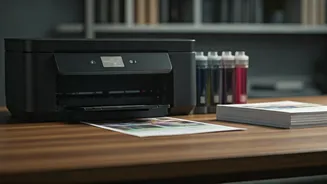
paper. These printers typically employ either a thermal or piezoelectric method to eject the ink. Thermal inkjet printers heat the ink to create bubbles, which then burst and propel the ink. Piezoelectric printers, on the other hand, use a crystal that vibrates when an electrical current is applied, forcing the ink out. This method is considered more precise. Laser printers, however, function more like photocopiers. They use a laser beam to create an electrostatic image on a rotating drum. This drum then attracts toner, which is a fine powder. The toner is then transferred to the paper and fused using heat. The mechanism in each of these technologies profoundly impacts print quality, speed, and overall performance, forming the baseline for the unique advantages and disadvantages of each printer type.
Print Quality Analysis
Print quality often weighs heavily in the printer selection process. Inkjet printers are generally celebrated for their superior color reproduction and are frequently preferred for photo printing. The capability of inkjet printers to render intricate details and gradients gives them an edge in producing vibrant, lifelike images. Laser printers, in contrast, provide excellent text quality due to the precision of toner application, resulting in sharp, clear text that's ideal for documents. Color laser printers have enhanced considerably and can yield impressive color outputs, but they typically can't match the photo-realistic results of high-end inkjet printers. The resolution, measured in dots per inch (DPI), greatly impacts the print quality of both types. Higher DPI translates to sharper images and more refined details. The choice between laser and inkjet hinges on the specific needs of the print job—inkjet for graphics-intensive or photographic work, and laser for text-focused or high-volume printing.
Printing Speed Comparison
Printing speed is another critical factor. Laser printers generally outpace inkjet printers in terms of speed, particularly when printing large documents or producing multiple copies. They can print several pages per minute (PPM), making them a practical choice for offices or settings that require regular printing. Inkjet printers tend to be slower, especially when printing color documents or photos, as they require more time for the ink to dry on the paper. The speed of a printer is often measured by the number of pages per minute (PPM) it can print. However, the exact speed can vary based on several factors, including the print resolution, the content being printed (text or graphics), and the printer's specific model. It's important to assess your printing needs and consider the volume of documents you will produce regularly to choose the most efficient option.
Cost Considerations
Considering the total cost of ownership is essential when evaluating printers. Inkjet printers usually have a lower upfront cost, making them attractive for home users or small businesses. However, the ongoing cost of ink cartridges can be substantial. Inkjet ink is generally expensive, and you may need to replace cartridges frequently, particularly when printing color documents. Laser printers often have a higher initial price, but their long-term cost may be lower. Toner cartridges last longer than ink cartridges, and the cost per page can be lower, especially for monochrome printing. The total cost also comprises paper costs, potential maintenance needs, and the printer's energy consumption. When making a decision, consider the amount of printing you will be doing, and the type of documents you produce to calculate the overall cost.
Versatility and Features
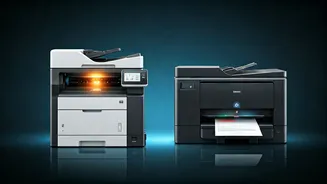
Printers come with a variety of features, influencing their versatility. Inkjet printers frequently come with additional functionalities like scanning, copying, and faxing, making them all-in-one solutions. They're well-suited for diverse printing tasks, from documents to photos. Laser printers can also be all-in-one devices, providing the same convenience. However, their core strength lies in efficient and high-quality printing of text-based documents. Connectivity options are important. Most printers today offer wireless printing, allowing you to print from smartphones, tablets, and computers without a direct cable connection. The availability of features like automatic document feeders (ADF) and duplex printing (printing on both sides) contributes to increased productivity. Before making a purchase, consider the specific features you require to optimize your workflow and make the most of your printer.
Environmental Factors
Environmental impact is becoming increasingly relevant when selecting devices. Both laser and inkjet printers have environmental implications that should be considered. Laser printers typically consume more energy than inkjet printers, particularly during the warm-up phase. The toner cartridges used in laser printers can also be a waste concern if not appropriately recycled. Inkjet printers are generally more energy-efficient, and their ink cartridges can sometimes be recycled. Choosing eco-friendly printers means searching for models with energy-saving modes, such as automatic power-off functions. Opting for refillable ink cartridges or toner cartridges with high-yield capacities can help minimize waste. It is also important to consider the packaging materials used for both printers and their consumables. Look for brands committed to sustainability and offer recycling programs to reduce the environmental impact of your printing practices.
Making the Right Choice
The ultimate decision between laser and inkjet printers rests on individual requirements. If you frequently print high-quality photos or require excellent color reproduction, an inkjet printer is likely the best option. Its ability to create vibrant, detailed images makes it perfect for creative endeavors and photo printing. If you primarily need to print text documents, produce high volumes of documents, or require fast printing speeds, a laser printer is the more suitable choice. The sharp text quality, combined with its rapid printing capabilities, makes laser printers a sensible selection for offices and businesses. Consider your printing habits, the types of documents you generate, and the long-term cost implications of each technology. Assessing these aspects will guide you toward the printer that best aligns with your demands, ensuring that you select the most suitable solution for your printing needs.