





Heavy Fried Foods
Highway culinary adventures often tempt us with deep-fried delights like samosas, pakoras, and rich curries such as chole bhature. While undeniably tasty,
these greasy and often excessively spicy options are a frequent source of regret for many travelers. Consuming them, especially in large quantities, can lead to a feeling of heaviness and significant sluggishness, which is precisely what you want to avoid when facing long hours behind the wheel. Furthermore, the richness can trigger indigestion and acidity, turning an enjoyable drive into an uncomfortable ordeal. Instead, opt for lighter, home-cooked meals or simpler preparations that offer sustenance without the heavy burden.
Questionable Cut Fruits
The sight of vibrant, pre-cut fruits at roadside stalls can be incredibly appealing, especially when you're looking for a refreshing snack. However, these seemingly healthy options carry a significant risk of contamination. The way these fruits are handled, prepared, and displayed can be unhygienic, exposing them to dust, flies, and unsanitary conditions. This lack of proper hygiene increases the likelihood of contracting foodborne illnesses. To ensure you're getting a safe and healthy snack, it's best to choose whole fruits that you can wash and peel yourself, or to carry pre-packaged, sealed fruit options from reputable sources before you set off on your journey.
Perishable Dairy Items
Indulging in traditional dairy-based beverages like lassi or buttermilk, or enjoying paneer-rich dishes, might seem like a pleasant break from driving. However, these items pose a considerable risk if not stored correctly, particularly in hot weather. Dairy products are highly perishable and can spoil rapidly when exposed to elevated temperatures, leading to rapid bacterial growth. Consuming spoiled dairy can result in severe stomach infections, ruining your trip. It is crucial to be extremely cautious and observe the hygiene practices of the establishment before ordering any dairy products. When in doubt, it’s safer to avoid them altogether on long journeys.
Sugary Beverages Beware
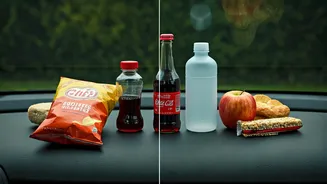
Reaching for a sugary soda or a heavily sweetened drink to combat fatigue on a long drive is a common, yet counterproductive, strategy. While these beverages provide a short-lived burst of energy, their high sugar content quickly leads to a subsequent energy crash. More importantly, they contribute significantly to dehydration. Maintaining proper hydration is critical for alertness and physical well-being during extended travel. Instead of sugary concoctions, prioritize drinking plain water, which is essential for keeping your body functioning optimally. Consider carrying electrolyte-enhanced drinks for longer stretches or particularly hot conditions to replenish lost salts.
Undercooked Pitfalls
Highway eateries can sometimes present hidden dangers in the form of undercooked or improperly reheated food. Meals that haven't been cooked thoroughly or those that have been prepared much earlier and then reheated poorly can harbor harmful bacteria. Consuming such food significantly elevates the risk of experiencing unpleasant gastrointestinal issues, which can be particularly debilitating when you're far from home. To minimize this risk, always prioritize freshly prepared meals that are served piping hot. This indicates that the food has been cooked to safe temperatures and reduces the chances of bacterial contamination, ensuring a safer dining experience on the road.