



Shared Survival Narratives
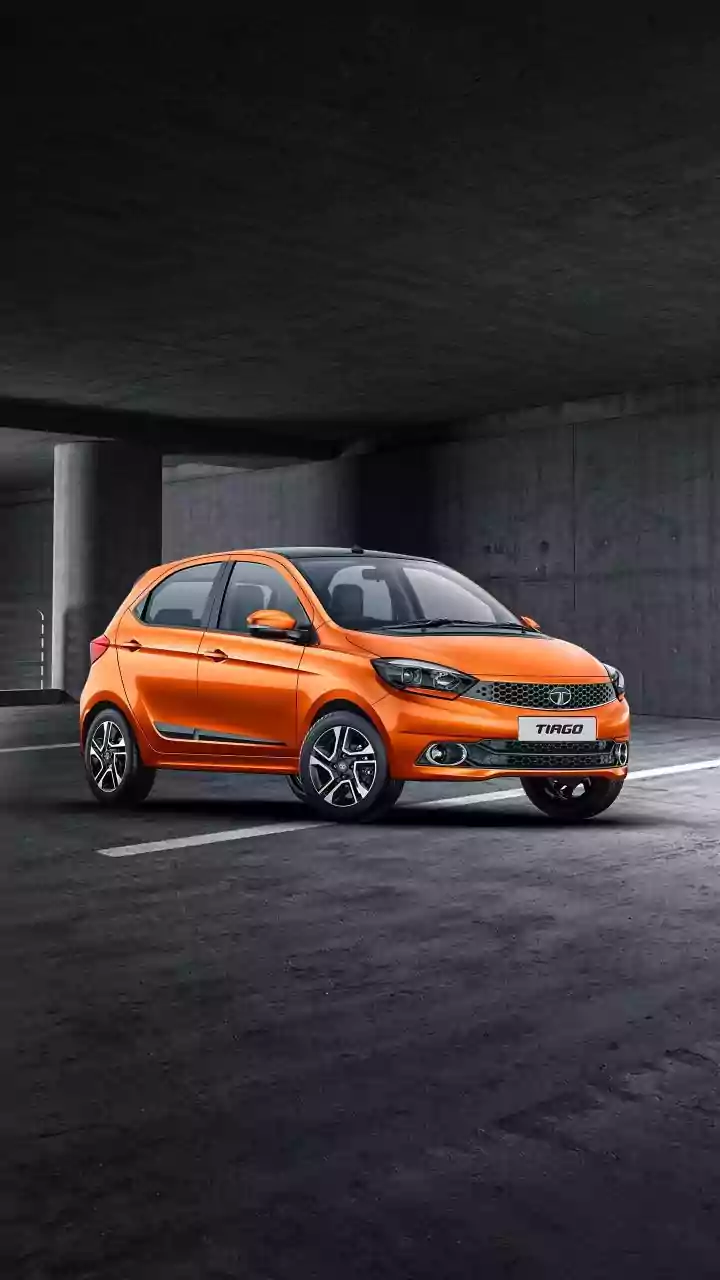
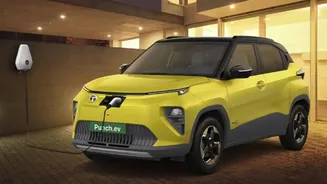
An intriguing parallel has surfaced in the world of automotive advertising, specifically concerning promotional videos for an electric car and an electric scooter.
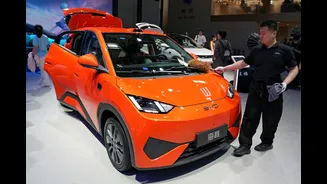
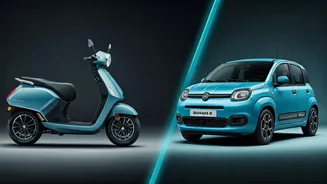
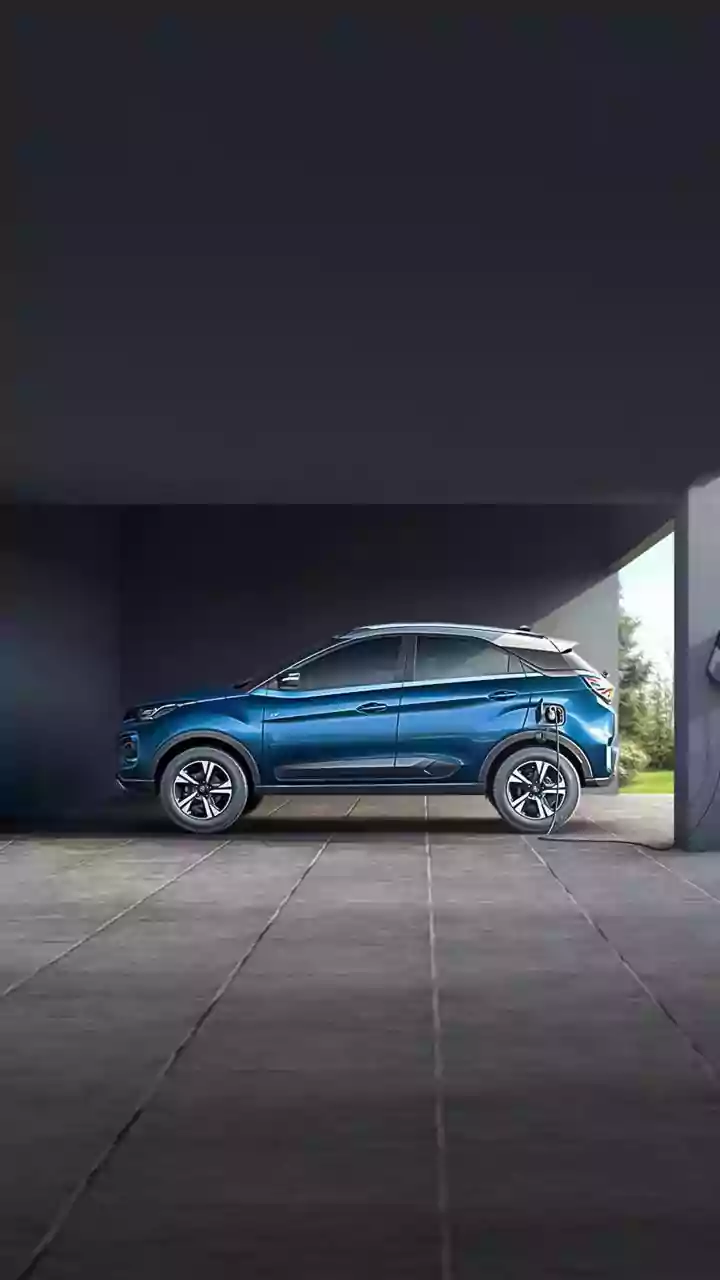
The recently unveiled advertisement for an electric car features a compelling scenario where a protagonist finds themselves stranded on a remote island. In this isolated setting, the electric vehicle is presented not just as a means of transport but as an indispensable tool for survival, enabling the individual to navigate the challenging environment and manage their situation. This narrative arc bears a remarkable resemblance to a prior campaign for an electric scooter, which also utilized a similar isolated locale to underscore the product's adaptability and practical utility in everyday scenarios. Both advertisements, therefore, employ a survival theme to highlight the versatility and resilience of their respective electric powertrains in unforeseen circumstances, leading to questions about the originality of the concept.
Social Media Buzz
The discussion surrounding these comparable advertisements gained significant traction on social media platforms. The electric scooter's promotional material had been in the public eye for approximately eight months before the electric car's advertisement was released. Upon the latter's debut, a segment of online commentators quickly voiced their opinions, suggesting that the concept had been borrowed. Conversely, others defended the advertisement, positing that it was a clear instance of creative inspiration, where similar ideas can emerge independently or be reinterpreted. In the current digital age, such observations tend to proliferate rapidly, particularly when distinct campaigns from different geographical markets appear to converge on a shared creative premise. This rapid dissemination of comparisons leaves ample room for varied interpretations among the audience regarding the intent and originality behind the campaigns.
Electric Powertrain Commonality
While the electric car and the electric scooter are fundamentally different products, catering to distinct market segments and needs, a significant shared characteristic unites them: their reliance on an electric powertrain. Within the automotive industry, a vehicle's dependability and its practical usefulness have perpetually been key metrics for consumer evaluation. The accelerating adoption of electric vehicles (EVs) in the market has introduced another critical factor into this assessment: the driving range. Both advertisements, in their distinct narrative frameworks, seem to address these core concerns—reliability, utility, and range—which are paramount for potential buyers of electric mobility solutions. By focusing on these aspects, the campaigns implicitly aim to build consumer confidence in the capabilities of their electric offerings, regardless of the vehicle type or the specific market it serves.