



Supermoon Explained
Supermoons occur when a full moon coincides with its closest approach to Earth in its orbit, known as perigee. Because the Moon's orbit is not perfectly
circular, its distance from Earth varies throughout the month. During perigee, the Moon appears larger and brighter than usual. In 2026, the Wolf Moon will be particularly close to Earth, making it a prominent supermoon. This means the moon will appear up to 14% larger and 30% brighter than when it's at its farthest point from Earth, known as apogee. The enhanced brightness is due to the closer proximity, which reflects more sunlight to Earth. This phenomenon offers a fantastic opportunity for stargazers and casual observers alike to enjoy the beauty of our natural satellite in an amplified form.
Wolf Moon's Significance
The term 'Wolf Moon' is a traditional name for the January full moon, rooted in the observations of early cultures, especially in North America. Historically, this full moon was named for the howling of wolves, which were often more audible during this time of year due to the cold and scarce food sources. The Wolf Moon of 2026 will not only be a supermoon but will also coincide with Jupiter's presence in the sky, adding another layer of visual interest. Jupiter will appear close to the Wolf Moon, providing a celestial pairing that’s sure to be a treat for the eyes. The juxtaposition of the bright moon with the planet Jupiter will enhance the night sky’s overall aesthetic appeal. This rare alignment makes the 2026 Wolf Moon a must-see event for those who enjoy observing astronomical phenomena.
Viewing Opportunities
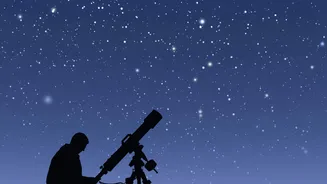
To witness the Wolf Moon Supermoon of 2026, one can simply look up at the night sky. The best time to observe the full moon is around the time of its full phase. However, a supermoon’s enhanced appearance can often be observed in the days leading up to and following the full moon. Clear skies are, of course, essential for optimal viewing. The visibility of the Wolf Moon will be unaffected by light pollution, but being away from city lights can improve your experience. To make the most of the viewing experience, find a location with an unobstructed view of the horizon. Additionally, using binoculars or a telescope can enhance the view, allowing you to observe the moon's surface in greater detail and enjoy the companionship of Jupiter in the night sky. Planning ahead for the viewing experience is a good idea to maximize enjoyment of this celestial spectacle.
Beyond the Sight
The Wolf Moon Supermoon of 2026 offers more than just a visual treat; it's a reminder of the celestial mechanics that continuously shape our experience. For those interested in deeper study, this event is a perfect occasion to explore lunar cycles and the dynamics of our solar system. Learning about the phases of the moon and the impact of the moon on Earth's tides can enrich appreciation of the supermoon's appearance. Amateur astronomers often use events like this to practice their skills, gather data, or connect with a community of enthusiasts. Whether you are a casual observer or a dedicated astronomer, this supermoon provides an excellent opportunity to expand your knowledge of the cosmos and marvel at its wonders. This event can also serve as a prompt for reflection on time, space, and the enduring beauty of the night sky.