






Trade Deal Unveiled
An interim trade arrangement has been established between India and the United States, aiming to reshape bilateral commerce. While details emerged regarding
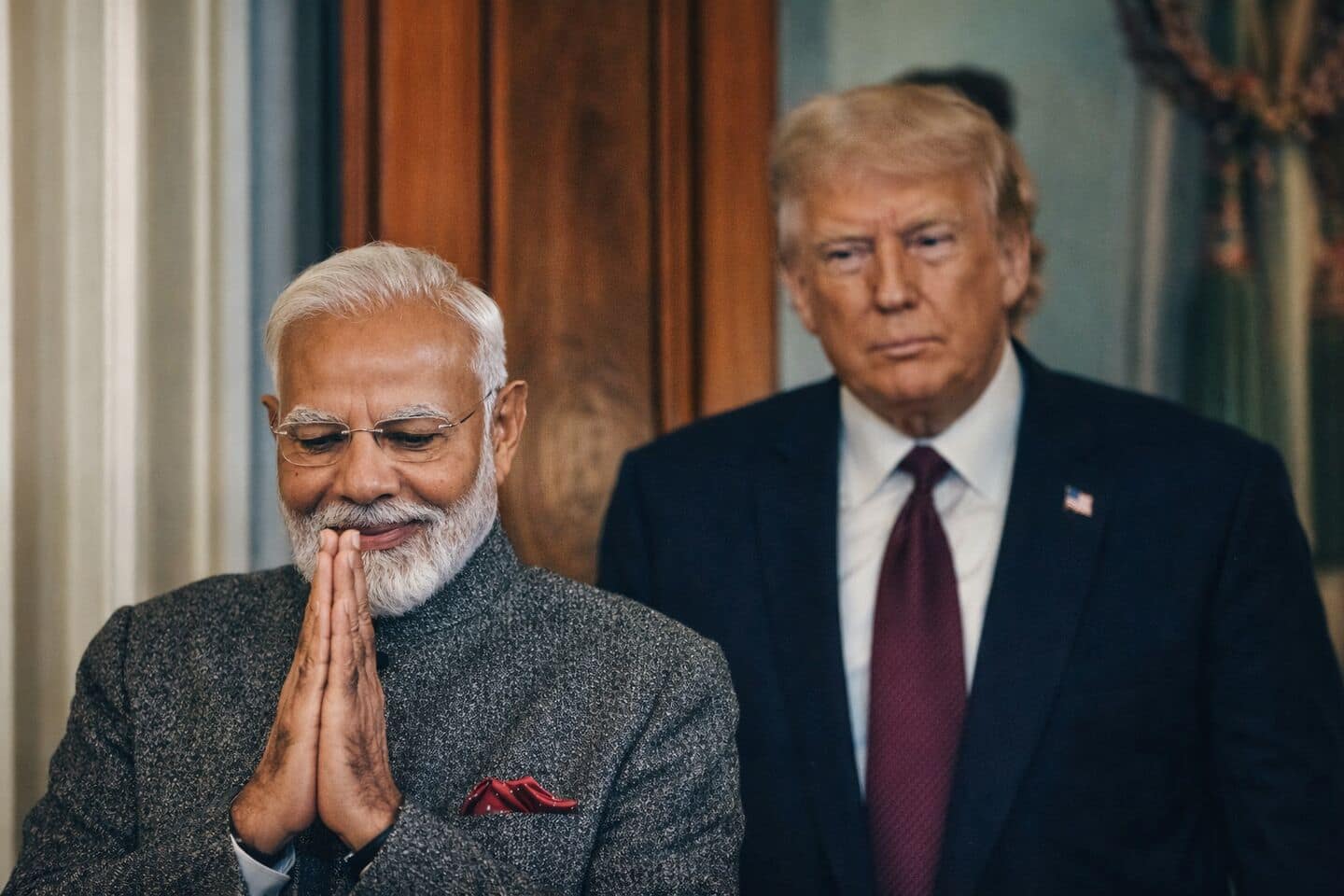
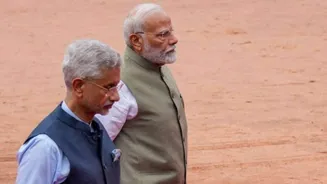
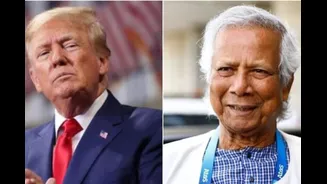
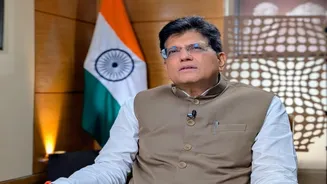
tariff reductions on a variety of American products entering India, a significant point of contention and indeed, silence, surrounded the question of India's continued purchase of Russian oil. When questioned by journalists, India's Commerce and Industry Minister Piyush Goyal deferred the query to the Ministry of External Affairs, underscoring the complex geopolitical undertones associated with energy sourcing. This mirrors earlier reticence from External Affairs Minister S. Jaishankar, who also sidestepped direct comment, suggesting the matter was part of broader discussions between Prime Minister Narendra Modi and US President Donald Trump. President Trump announced the interim deal via social media, indicating a reduction in tariffs on Indian goods to 18 percent and claiming that additional duties on Russian oil imports would be removed. He also projected India's commitment to substantial purchases of American goods valued at $500 billion, even suggesting India might source crude oil from Venezuela as part of this realignment.
Indian Tariff Reductions
Under the terms of this nascent trade framework, India is set to significantly reduce or eliminate tariffs across a broad spectrum of American industrial and agricultural commodities. This tariff relief extends to vital feed products like dried distillers grains and red sorghum, crucial for animal nutrition. Consumers and industries will also see benefits from reduced duties on tree nuts, a variety of fresh and processed fruits, and soybean oil. Furthermore, the agreement includes alcoholic beverages, such as wine, signaling a more open market for these imports. The scope of this reduction is extensive, promising easier access for many other agricultural products originating from the United States, thereby fostering greater trade flow and potentially lowering costs for Indian businesses and consumers involved in these sectors.
US Goods for India
In return for India's tariff concessions, the United States will implement an 18 percent reciprocal tariff on specific Indian imports, governed by an executive order dated April 2, 2025. This measure affects several key Indian export categories, including textiles and apparel, leather goods, and footwear. The scope also encompasses plastic and rubber products, biochemical goods, handicrafts, and home décor items. Additionally, select machinery products will fall under this tariff line. This aspect of the agreement aims to balance the trade concessions, ensuring that the benefits are distributed more evenly between the two nations, and addressing long-standing trade imbalances that have been a point of discussion between the two economic partners.
Future Commitments & Sectors
Beyond the immediate tariff adjustments, the agreement outlines substantial future commitments from India, projecting a significant increase in the procurement of American goods over the next five years, potentially reaching a total value of $500 billion. A substantial portion of these purchases is expected to be in the energy sector. The agreement also specifies large-scale acquisitions of aircraft and aviation parts, alongside investments in precious metals and technology products. Long-term plans include considerable purchases of coking coal. India has also pledged to address various regulatory hurdles, facilitating smoother market entry for medical devices and streamlining clearances for information and communication technology goods. Furthermore, non-tariff barriers affecting agricultural imports will be reduced, and import licensing procedures are slated for simplification, enhancing the overall ease of doing business.
US Tariff Revisions
The interim phase of the trade arrangement sets the stage for further tariff relief from the United States once the agreement reaches its full implementation. Washington has indicated plans to remove duties on several categories of Indian exports. This includes significant concessions for generic medicines, providing a boost to India's pharmaceutical industry. Shipments of diamonds and jewelry are also slated for duty reductions. Aircraft and aviation components, along with certain aerospace tariffs linked to national security regulations concerning metals, will be withdrawn. India is also set to benefit from preferential tariff quotas in the automobile and auto parts sector, stemming from security-linked trade provisions. Ongoing reviews by the US concerning pharmaceutical imports could lead to additional advantages for Indian generic drug manufacturers.
Market Access & Technology
A core objective of this bilateral agreement is to foster targeted market access in sectors of mutual commercial interest, ensuring that the benefits derived are primarily shared between India and the United States. The mechanism is designed for long-term sustainability, incorporating safeguards to uphold this principle. Both nations are working towards aligning technical standards and testing procedures, aiming for greater interoperability and reduced friction. Any future tariff adjustments made by one country are expected to be met with proportionate responses from the other, creating a system of mutual accountability. Negotiators are actively planning for deeper market integration, envisioning a more comprehensive bilateral trade pact in the future. Technology exchange is also a crucial element, with expanded commercial collaboration anticipated in advanced computing hardware like GPUs for data centers, alongside advancements in joint technology initiatives and the establishment of transparent digital trade rules.