


Power Down Wisely
When stepping away from a room for an extended period, remember to turn off your air conditioner completely, not just with the remote. Utilizing the main
power switch is crucial because leaving the AC on standby mode with the remote still keeps the compressor engaged in a low-power state, continuously consuming electricity. By disconnecting the power entirely when not in use, you prevent this unnecessary energy drain and ensure that the unit is truly off, leading to substantial savings over time. This simple habit, often overlooked, is one of the most effective ways to reduce your AC's impact on your monthly electricity statement.
Leverage the Timer
Instead of letting your air conditioner run throughout the night or for prolonged periods, make use of its built-in timer function. Setting the timer for a few hours before you go to bed or at other opportune moments allows the AC to cool your space effectively and then automatically shut off once the set duration has passed. This prevents the unit from operating longer than necessary, reducing excessive usage and consequently lowering your energy costs. It’s a highly efficient method for maintaining a comfortable temperature without a constant drain on your power supply.
Fan-AC Synergy
Maximize your comfort while minimizing energy use by running your ceiling or portable fan in conjunction with your air conditioner. When both appliances are operational, you'll notice a significant improvement in air circulation throughout the room. This enhanced airflow helps to distribute the cool air more evenly, creating a sensation of greater coolness without requiring the AC to work as hard. By lessening the workload on your air conditioner, this combined operation reduces its energy consumption and contributes to overall energy savings.
The Ideal Temp
For optimal human comfort and energy efficiency, aim to set your air conditioner to approximately 24 degrees Celsius. The Bureau of Energy Efficiency (BEE) suggests this temperature as ideal for the human body, requiring less energy for the AC to maintain. By adhering to this recommended setting, you not only ensure a comfortable environment but also significantly reduce the load on your AC unit, leading to lower electricity bills and more responsible energy consumption. Deviating from this ideal can cause the unit to work harder and use more power.
Seal In the Cool
Ensure your doors and windows are firmly shut whenever your air conditioner is in operation. This simple act is crucial for trapping the cool air inside the room, allowing it to retain its comfortable temperature for longer periods. To further enhance this effect and prevent heat from entering your home, utilize thick curtains or blinds on your windows. By blocking external heat from permeating the space, you reduce the strain on your AC, preventing it from working overtime to combat rising temperatures and thus saving electricity.
Regular AC Tune-Ups
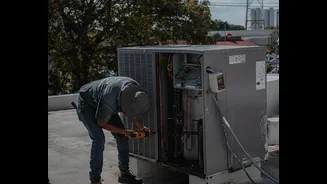
Consistent maintenance and cleaning of your air conditioner are paramount for efficient operation and reduced energy consumption. Regularly cleaning or replacing the air filters ensures unobstructed airflow, while keeping the outdoor unit free from any debris or obstructions allows it to function optimally. A well-maintained AC unit operates with greater efficiency, requiring less energy to cool your space effectively. These proactive maintenance steps can significantly boost your AC's performance and lead to noticeable reductions in your electricity bills over time.
Choose Energy Savers
When purchasing a new air conditioner, prioritize models with a 5-star rating according to the Bureau of Energy Efficiency (BEE) star rating system. These appliances are designed for superior energy efficiency, meaning they consume less electricity to deliver the same level of cooling compared to lower-rated units. Although they might have a slightly higher initial purchase price, the substantial savings on your electricity bills over the lifespan of the appliance will more than compensate for the upfront cost, making them a wise long-term investment.