
Budget's Impact Examined
The Union Budget for 2026-27 is poised to influence the automotive sector significantly. Policy decisions made in this budget are expected to have ripple
effects, impacting consumer spending and industry strategies. Analyzing the specifics of the budget can help in understanding potential changes in taxation, infrastructure investments, and incentives for electric vehicles, which may, in turn, affect the affordability and adoption rates of different car models across the Indian market. These measures are designed to steer the direction of the automotive industry for the next few years. The budget's impact goes beyond immediate financial implications, extending to long-term planning and investment decisions by both manufacturers and consumers. The government’s approach to environmental regulations and sustainable practices will also play a crucial role in shaping the market's trajectory.
Sales Figures Rise
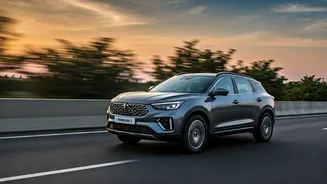
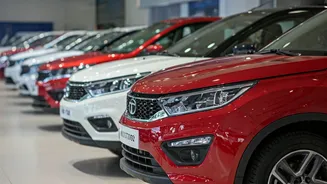
Tata Motors' success in January 2026, with over 71,000 passenger car sales, reflects the industry's upward trend. This sales performance suggests that consumer confidence remains strong and that there’s a sustained interest in new vehicles. Evaluating these sales figures provides valuable insights into the types of vehicles that are most popular among Indian buyers. Moreover, analyzing the factors contributing to Tata Motors’ sales performance, such as new model launches, marketing strategies, and dealer networks, offers a comprehensive view of the competitive landscape. These impressive sales numbers not only underscore the current market dynamics but also set a benchmark for future expectations within the automotive industry. The brand's ability to maintain high sales figures also points to effective supply chain management and consumer-centric marketing approaches.
Midsize Sedan Surge
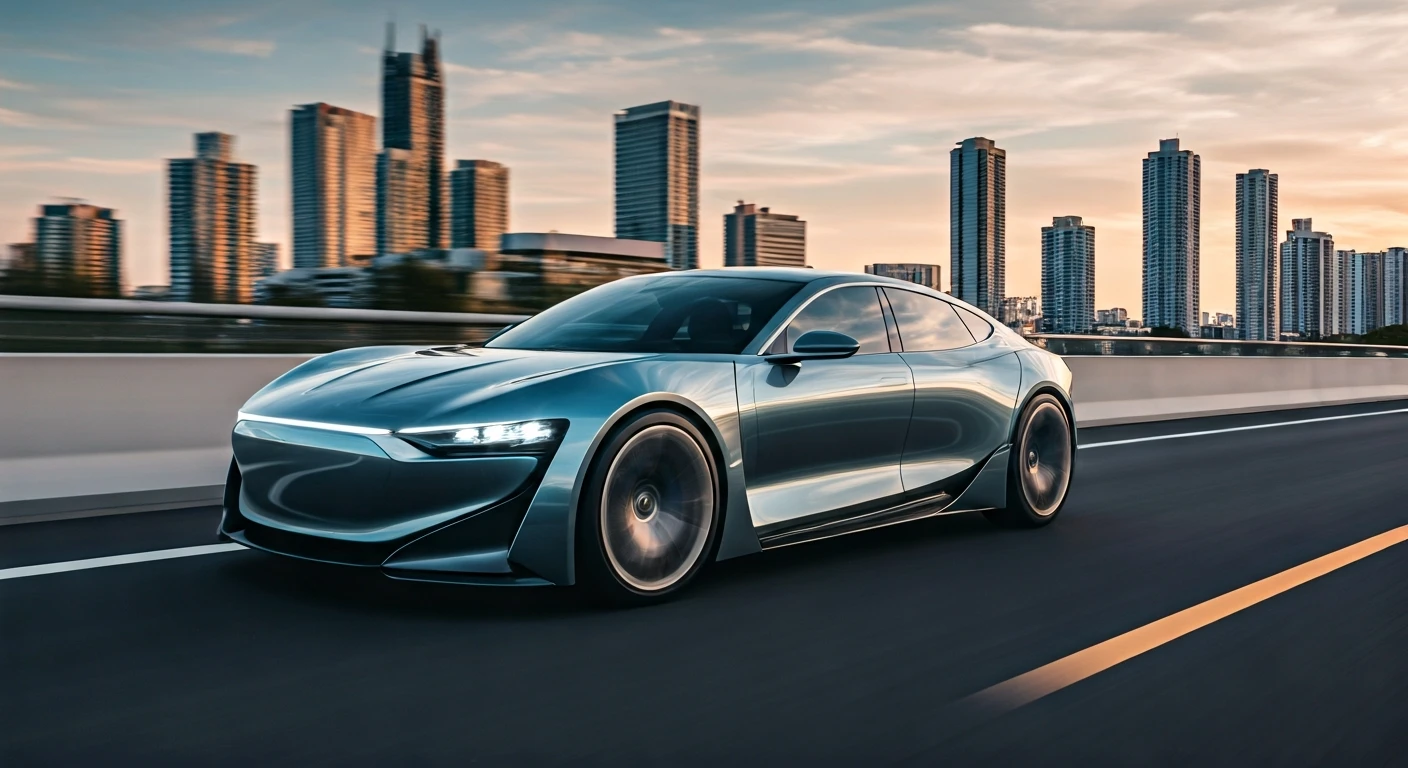
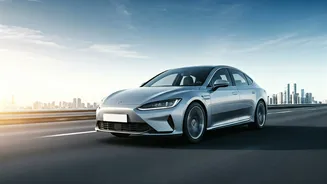
The year 2026 is shaping up to be a pivotal time for midsize sedans, indicating a possible resurgence of this vehicle category. Shifts in consumer preferences, changes in fuel prices, and the introduction of new models could be contributing to this trend. Midsize sedans often provide a balance of features, comfort, and affordability, which makes them appealing to a broad segment of buyers. The increase in popularity might also be attributed to advancements in technology and design, making them more attractive. To understand this potential boom, it’s critical to monitor market trends, understand consumer behavior, and analyze how manufacturers are responding to these shifts. Such developments could also influence investment decisions in the automotive sector, with an emphasis on production and innovation in the midsize sedan market.
Premium Bike Challenges
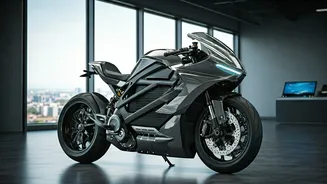
The premium bike segment in India might face hurdles in 2026, signaling potential challenges for manufacturers and retailers. Economic factors, changes in consumer spending, and the introduction of new regulations can all impact the premium bike market. Examining market dynamics and consumer preferences in this segment is vital to understanding the potential challenges and formulating effective strategies. Aspects such as import duties, evolving emission norms, and competition from other vehicle segments could also pose significant hurdles. Furthermore, studying consumer behavior and the availability of financing options within the premium bike category provides important insights. Navigating these obstacles successfully requires careful planning and a deep understanding of the market. Manufacturers may need to adjust their strategies to maintain a competitive edge.