


Touchscreens: A Safety Concern
Jony Ive, a pivotal figure in the design of iconic Apple devices, has voiced strong reservations about touchscreens dominating car dashboards. He believes
that using touch as the main method of interaction within a vehicle directly contradicts fundamental principles of safety and usability. Ive points out that touch interfaces were initially developed for devices like smartphones and tablets, where the goal was to create a versatile, adaptable display capable of functioning as various tools – a calculator, a camera, or a word processor – thereby reducing the need for numerous physical buttons. However, he emphatically states that this logic simply does not apply to the automotive environment. His core criticism revolves around the inherent distraction involved; operating a touchscreen requires drivers to divert their attention from the road, a compromise he deems unacceptable for primary vehicle controls. This viewpoint is increasingly echoed by automotive journalists and car owners who have observed a growing reliance on massive, complex screens that can detract from the driving experience and, more critically, compromise safety. Carmakers have been pushing the boundaries, with screens exceeding 10 inches becoming commonplace, and even multi-display configurations appearing in mainstream vehicles. The push for larger and more feature-rich screens seems driven by a perception of technological advancement rather than a problem-solving approach, unlike the meticulous design philosophy behind products like the iPhone.
The Rise of the 'Hyperscreen'?
The automotive industry's embrace of large-format displays has reached an extreme in the premium segment. For instance, a recently unveiled luxury electric vehicle boasts a colossal 39.1-inch 'Hyperscreen' that stretches across the entire dashboard. This integrated display aims to house nearly every conceivable in-car function, from entertainment and navigation to vehicle settings and driver information. However, consolidating essential controls like mirror adjustments, climate control, lighting, and even critical driving data onto a single touch interface presents significant safety challenges. Drivers are forced to navigate through menus and take their eyes off the road to make even minor adjustments. Similarly, touch-sensitive buttons, often integrated into these expansive screens, are also prone to accidental activation or imprecise inputs, especially when a vehicle is in motion. This trend has not gone unnoticed by safety organizations. Regulatory bodies are beginning to recognize the inherent risks associated with over-reliance on touch interfaces for critical functions. As a consequence, upcoming safety regulations are expected to penalize vehicles that fail to incorporate physical controls for essential functions such as the horn, turn signals, hazard lights, wipers, and emergency SOS systems, signaling a potential shift back towards tangible controls for core automotive operations.
A New Design Philosophy
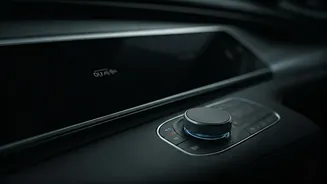
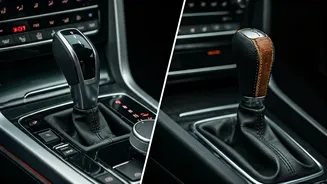
Despite his profound influence on the evolution of touchscreen technology in consumer electronics, Jony Ive has adopted a markedly different strategy for the interior design of a significant new electric vehicle from Ferrari. This forthcoming model, named the Luce, eschews the proliferation of large, dominant screens seen in many contemporary luxury EVs. Instead, its interior is characterized by a more restrained approach, featuring a single, modestly sized 10-inch central touchscreen. Crucially, this screen is complemented by a thoughtfully arranged array of physical toggles and buttons positioned conveniently at its base. Ive's design philosophy for the Luce EV prioritizes an intuitive, enjoyable, and, above all, safe user experience for the driver. While touch functionality is incorporated into the central display, its use is described as deliberate and carefully considered. The overwhelming majority of the vehicle's interfaces are physical, with each switch engineered to offer a distinct tactile feel. This intentional design means drivers can operate essential controls without needing to visually confirm their actions, thereby keeping their attention focused on the road. This approach represents a significant departure from the trend of maximizing screen real estate and functionality, instead emphasizing a return to the principles of ergonomic and safe interaction within the driving environment.