







Trade Deal Unveiled
In a recent development, India and the United States have finalized an interim trade agreement, signaling a significant shift in their economic relationship.
This arrangement, announced by U.S. President Donald Trump, involves substantial tariff reductions on a broad spectrum of American exports entering India. While the accord promises to invigorate trade flows, it notably sidesteps a clear stance on India's procurement of Russian oil, a point that generated considerable attention and left journalists seeking more information. Indian Commerce and Industry Minister Piyush Goyal deferred questions on this matter to the Ministry of External Affairs, indicating the complex geopolitical considerations at play. Similarly, External Affairs Minister S. Jaishankar had previously avoided definitive statements, suggesting that these discussions were being led by Minister Goyal and were part of broader dialogues between Prime Minister Narendra Modi and President Trump. The core of the agreement, as conveyed by Minister Goyal, establishes a foundational framework aimed at enhancing mutual trade benefits, strengthening supply chains, and paving the way for future market expansions between the two nations. This initial phase sets the stage for a more comprehensive and balanced bilateral agreement down the line.
Tariff Relief for US Goods
Under this newly forged interim agreement, India is set to significantly lower or completely eliminate tariffs on a diverse array of American products. This includes critical feed ingredients like dried distillers grains, essential for animal nutrition, and red sorghum, also utilized in livestock feed. The concessions extend to a variety of agricultural and processed goods, encompassing tree nuts, fresh fruits, and various processed fruit items. A notable inclusion is soybean oil, a key commodity in global trade. Furthermore, Indian consumers will see reduced duties on wines and other alcoholic beverages originating from the United States. This broad-based tariff reduction signifies India's commitment to opening its markets to a substantial portion of U.S. agricultural output. Beyond these specific items, a wide range of other agricultural products are slated to benefit from similar tariff relief measures, aiming to create a more favorable import environment for American agricultural businesses seeking to expand their presence in the Indian market.
Indian Commitments to US
The agreement stipulates that India will substantially increase its purchases of goods from the United States over the ensuing five years, with the total value potentially reaching an impressive $500 billion. A significant portion of these increased procurements will comprise energy products, reflecting a strategic alignment in energy needs. Beyond energy, India has committed to large-scale acquisitions of American aircraft and essential aviation parts, signaling a boost for the U.S. aerospace industry. The plan also incorporates the purchase of precious metals, further diversifying the scope of trade. Technology products are another key area of focus, indicating a desire to enhance collaboration in advanced sectors. Additionally, India has agreed to substantial long-term purchases of coking coal, a vital input for steel production. This comprehensive commitment demonstrates India's intent to foster a more balanced trade relationship by significantly boosting imports from the United States across multiple critical sectors.
Regulatory and Market Access
In tandem with tariff adjustments, India has pledged to address and alleviate several regulatory hurdles that have previously impacted trade. For instance, medical devices will experience a smoother entry into the Indian market, with streamlined processes designed to facilitate their distribution. Similarly, information and communication technology (ICT) goods will benefit from more efficient clearance procedures, encouraging greater import of advanced technological products. The agreement also aims to reduce non-tariff barriers affecting agricultural imports, making it easier for U.S. agricultural products to meet Indian standards and requirements. Import licensing procedures across various sectors are also slated for simplification, aiming to reduce bureaucratic delays and enhance the overall ease of doing business. These regulatory reforms are designed to complement the tariff reductions, creating a more conducive environment for U.S. businesses seeking to expand their footprint in India.
US Tariffs on Indian Goods
On the U.S. side, a reciprocal tariff of 18 percent will be applied to certain Indian exports, implemented under an executive order dated April 2, 2025. This measure affects a range of Indian products, including textiles and apparel, which form a significant segment of India's export basket. Leather and footwear exports will also fall under this tariff line. The plastic and rubber products sector is similarly impacted, alongside biochemical goods. Handicrafts and home décor items, often prized for their unique craftsmanship, will also face this additional duty. Furthermore, select machinery products from India will be subject to the 18 percent tariff. This reciprocal action underscores the 'tit-for-tat' nature of some aspects of the agreement, where duties are adjusted to reflect concessions made by both sides, albeit with differing impacts on specific industries.
Future Relief and Sectoral Benefits
The current interim arrangement is designed with provisions for future enhancements and reliefs. Upon the full implementation of the broader agreement, the United States plans to remove existing duties on several key Indian exports. This includes a significant boost for the pharmaceutical sector, with generic medicines expected to gain preferential access. Diamond and jewellery shipments, a historically strong export category for India, are slated to receive considerable concessions. Aircraft and aviation components from India will also be brought under a relief category, potentially benefiting Indian manufacturers in this sector. Additionally, certain aerospace tariffs linked to national security considerations, particularly those associated with metals, are slated for withdrawal. These future reliefs indicate a phased approach to trade liberalization, with a long-term vision for a more integrated economic partnership.
Automotive and Tech Trade
In the automotive and auto parts segment, India is set to receive preferential tariff quotas from the United States, operating under security-linked trade provisions. This move is expected to provide a competitive edge for Indian manufacturers in the U.S. market. The agreement also acknowledges the ongoing U.S. investigations into pharmaceutical imports, hinting that the outcomes of these inquiries could lead to additional benefits for Indian generic drug manufacturers, further solidifying their market position. On the technology front, the pact emphasizes expanded commercial exchange in advanced computing hardware, such as Graphics Processing Units (GPUs) essential for data centers. Joint technology collaboration is also slated for growth, fostering innovation and knowledge transfer. Digital trade rules will be refined to promote greater transparency, with both nations committed to eliminating discriminatory digital barriers, setting the stage for seamless implementation timelines and a deeper bilateral partnership.
Market Access and Safeguards
Both India and the United States have expressed their intention to open targeted market access in sectors where they share significant commercial interests. This collaborative approach aims to create a trade mechanism that is not only mutually beneficial but also built for long-term sustainability. Crucially, safeguards are being incorporated to ensure that the benefits derived from this agreement primarily flow to the two partner nations, preventing unintended consequences or third-party exploitation. A key aspect of this partnership involves moving towards greater alignment in technical standards and testing procedures, which will simplify cross-border trade and reduce compliance costs. Furthermore, any future tariff revisions made by one country may trigger proportionate responses from the other, establishing a framework for predictable and balanced trade policy adjustments. Negotiators are actively planning to deepen market access under a more comprehensive future bilateral trade pact.
Trade Analyst Concerns
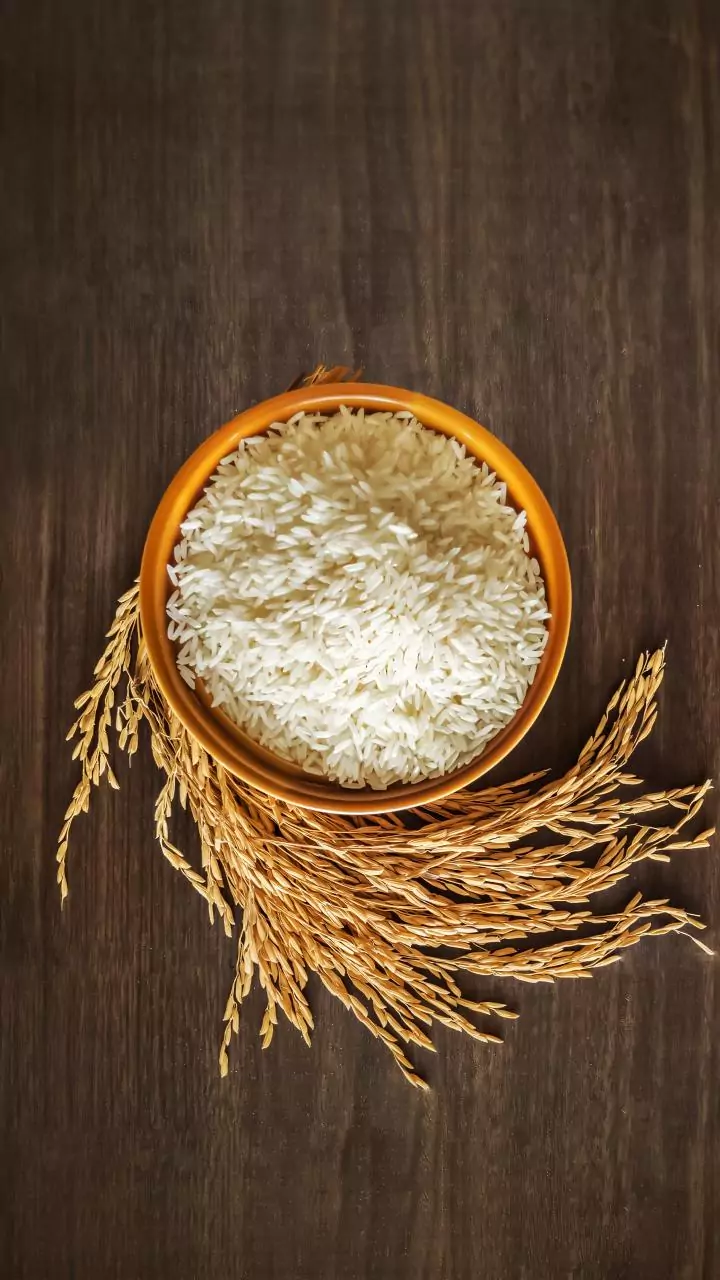
While the interim trade deal offers significant opportunities, trade analysts are closely examining its potential implications, particularly within India's agricultural sector. There are concerns that the influx of certain U.S. agricultural products, facilitated by tariff reductions, could exert pressure on India's existing minimum support price (MSP) system and its public procurement models. Researchers have highlighted the political sensitivity surrounding staple crops, which are central to the livelihoods of millions of farmers. Dairy, rice, and wheat, in particular, are foundational to rural economic stability and income security. The potential impact on these sectors, which directly support a vast rural population, is a key area of focus for observers trying to understand the broader socio-economic ramifications of this new trade arrangement.
Strategic and Defense Ties
Beyond immediate trade considerations, strategic observers are keenly watching the implications of this deal for defense and energy linkages between India and the United States. The substantial procurement commitments mentioned, particularly the potential $500 billion figure, extend beyond just fuel supplies. Speculation is rife that commercial purchases could encompass a range of high-value items such as aircraft, helicopters, and even advanced nuclear reactors, reflecting a deepening strategic convergence. Defence orders are anticipated to form a significant component of these large-scale acquisitions, potentially strengthening India's defense capabilities and bolstering U.S. defense exports. This aspect of the agreement underscores the multifaceted nature of the India-U.S. partnership, extending into critical areas of national security and strategic cooperation.