






Touchscreen Troubles Emerge
For a while, touchscreens were seen as the future of car interiors, offering a sleek and modern look. They enabled manufacturers to simplify the dashboard
and integrate a wide range of functions into a single display. However, several issues began to surface. Drivers found touchscreens distracting, requiring them to take their eyes off the road to navigate menus and select functions. This led to safety concerns and a less intuitive user experience, prompting a reevaluation of the touchscreen-only approach. Many users voiced the opinion that physical buttons provided better feedback, making operation simpler and safer. The reliance on touchscreens was creating an environment that was not conducive to safe driving.
Physical Buttons Return
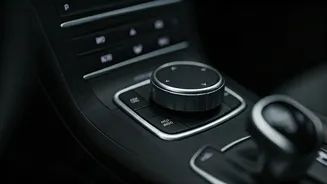
As a result of the shortcomings of touchscreens, carmakers started to look at ways of reintroducing physical controls. The resurgence of physical buttons can be attributed to several factors, foremost of which is improved driver safety. Physical buttons are easy to locate and use by feel, minimizing the need for drivers to divert their attention from the road. The tactile feedback of physical buttons provides immediate confirmation of an action, making them more intuitive to operate. The increased reliability and decreased potential for errors were additional factors in favor of physical controls. Furthermore, consumer demand played a significant role in this transition. Many drivers appreciated the simplicity and ease of use offered by traditional controls, especially for crucial functions like climate control, volume adjustment, and hazard lights.
The Hybrid Approach
Rather than a complete return to old designs, many carmakers are adopting a hybrid strategy. This method merges the benefits of both touchscreen and physical controls. This approach includes a central touchscreen for infotainment and settings, and physical buttons or dials for vital functions. This balances the modern aesthetic of touchscreens with the practicality and safety of physical controls. The combination approach offers a balance between advanced technology and ease of use. This approach is intended to provide a more user-friendly interface that can improve the driving experience. This design strategy aims to cater to driver preferences. Such a move is anticipated to be the standard approach, offering the best of both worlds and driving a more positive driving experience.
The Future Outlook
The trend towards physical controls reflects a wider shift in the automotive industry. It is a response to consumer feedback and a renewed focus on driving safety and usability. As technology continues to evolve, the interface design of vehicles will continue to be refined. The focus will be on creating user-friendly and intuitive controls. The reintroduction of physical buttons, combined with advanced driver-assistance systems, will help to shape the future of driving. By placing the driver’s needs at the center, the automotive industry hopes to improve the overall driving experience. In the future, we can expect to see more innovative designs, integrating technology in ways that improve safety, comfort, and ease of use, leading to a new era of automotive design.