





Defining Scientific Method
At the heart of science lies the scientific method, a systematic process that guides the exploration and understanding of the natural world. This methodology
begins with observation, where scientists carefully examine phenomena, gathering initial data and identifying patterns. These observations then fuel the formulation of questions and hypotheses – tentative explanations that can be tested through experimentation. Experimentation involves designing controlled tests to gather evidence that either supports or refutes the hypothesis. Data analysis is a crucial step, using statistical techniques and logical reasoning to assess the results of experiments. The scientific method is iterative; if the evidence does not support the hypothesis, it is refined or replaced, and the process begins anew. This iterative nature ensures that scientific knowledge is continually refined and improved. Finally, it involves peer review by which experts assess the validity of the work.
Branches of Science
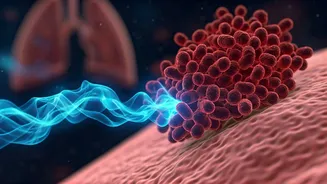
Science encompasses a vast array of disciplines, each focusing on a specific aspect of the natural world. Physics delves into the fundamental laws governing matter and energy, exploring topics like motion, forces, and electromagnetism. Chemistry studies the composition, structure, properties, and reactions of matter, investigating the behavior of atoms and molecules. Biology explores the world of living organisms, from the smallest microorganisms to complex ecosystems, encompassing genetics, evolution, and physiology. Earth science encompasses geology, oceanography, meteorology, and climatology, studying the planet Earth, its processes, and its environment. Astronomy investigates celestial objects and phenomena, from planets and stars to galaxies and the universe's origins. Each of these branches employs its own set of tools, techniques, and methodologies, yet they are all interconnected, contributing to a comprehensive understanding of the world. Moreover, interdisciplinary fields such as biochemistry and biophysics blur the boundaries between these traditional categories.
Science and Daily Life
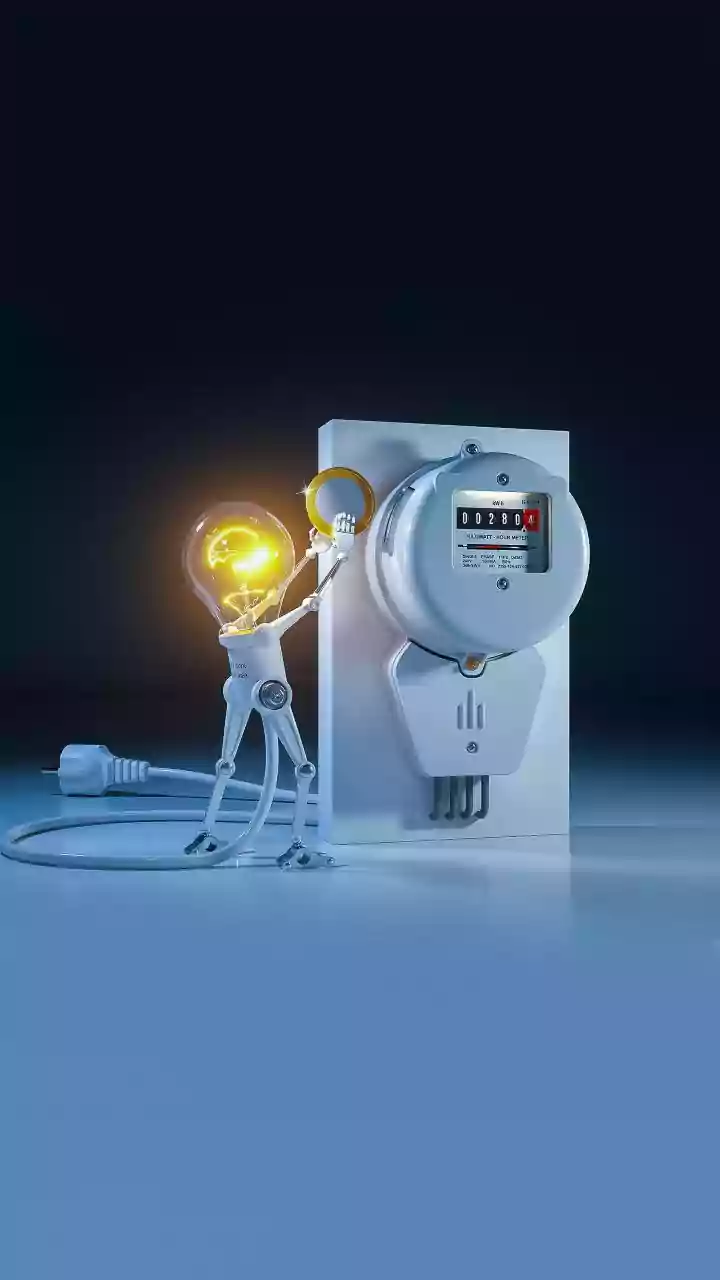
Science permeates nearly every facet of our daily lives, often in ways we may not immediately recognize. The food we eat, the medicines we take, and the technologies we use are all products of scientific discovery and innovation. Scientific principles underpin the design of our homes, transportation systems, and communication networks. Consider medicine; scientific research has led to the development of life-saving drugs, diagnostic tools, and surgical techniques. In agriculture, scientific advancements have improved crop yields, enhanced food security, and reduced the environmental impact of farming practices. From the electricity that powers our homes to the smartphones we use to connect with the world, science is a constant presence. Understanding these scientific underpinnings helps us make informed decisions, navigate complex issues, and appreciate the profound impact of science on our world.
Science and Technology
The close relationship between science and technology is a driving force behind innovation and progress. Scientific discoveries often pave the way for technological advancements, which, in turn, can be used to further scientific research. For example, the development of computers was driven by scientific insights into electricity and magnetism, and those computers are now indispensable tools for scientists. Medical imaging technologies, such as MRI and CT scans, are the result of advances in physics and engineering, enabling physicians to diagnose and treat diseases more effectively. The internet, a global network that has revolutionized communication and access to information, is a direct consequence of scientific research in computer science and telecommunications. This feedback loop between science and technology creates a cycle of innovation, constantly pushing the boundaries of what is possible and shaping our future.
Critical Thinking in Science
Central to the scientific method is the practice of critical thinking, which involves evaluating information objectively and applying rational analysis to make informed judgments. This involves questioning assumptions, considering multiple perspectives, and seeking evidence-based explanations. Scientists employ critical thinking to design experiments, analyze data, and interpret results, constantly striving to avoid biases and inaccuracies. In a world saturated with information, the ability to think critically is more crucial than ever. It enables individuals to discern fact from fiction, evaluate the credibility of sources, and make informed decisions based on evidence. Developing critical thinking skills involves cultivating a sense of curiosity, embracing skepticism, and being open to revising one's beliefs in light of new evidence. The ability to think critically empowers individuals to become active, engaged participants in society and to contribute to the advancement of knowledge.