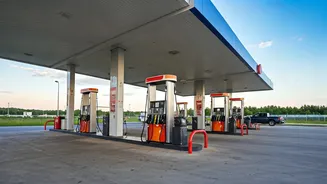







Types of Stations
Fuel stations vary widely, catering to different needs and locations. There are full-service stations, offering attendants who pump gas and may provide
other services such as checking fluids or cleaning windshields. Self-service stations, on the other hand, allow customers to pump their own fuel, often at a lower price. Some stations are part of large chains, while others are independently owned and operated. The types of fuel available can also vary, including petrol, diesel, and sometimes alternative fuels like CNG or electric charging stations. The layout and amenities of a fuel station also change depending on factors like location and customer demand. Stations in urban areas may be smaller and focused primarily on fuel sales, while those along highways might offer convenience stores, restrooms, and food options to serve travelers.
Strategic Locations
The location of fuel stations is crucial to their success and their role in the overall transportation network. Stations are strategically placed to maximize accessibility and convenience for drivers. High-traffic areas, such as major roadways, intersections, and urban centers, are prime locations. The placement of a fuel station must take into consideration factors like zoning regulations, land costs, and competition from other stations. Rural areas might have fewer stations, but those that do exist often serve a vital role for local residents and travelers. Additionally, the proximity of other businesses, such as restaurants and convenience stores, can boost a station's appeal, turning it into a one-stop-shop for drivers' needs. Accessibility and visibility play a key role in choosing the perfect spot.
Economic Impact
Fuel stations exert a considerable economic influence at both local and national levels. They support employment by providing jobs for station attendants, managers, and other support staff. The revenue generated from fuel sales, along with related products and services, contributes significantly to tax revenues for local and national governments. The presence of a fuel station can drive economic growth in an area by encouraging other businesses to set up shop nearby, thus creating a cluster of commercial activity. Furthermore, fuel stations are important to the wider automotive and transportation industries. The prices of fuel can affect transportation costs, supply chains, and the wider economy, highlighting the important role these stations play in supporting economic activity and community growth.