
Defining Isolation
Geographic isolation plays a crucial role in shaping a country's identity and its interactions with the world. A country without any neighbors presents
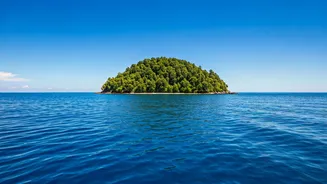
a unique set of circumstances, including challenges in trade, diplomacy, and cultural exchange. These nations often rely heavily on maritime routes or air travel for international connections, and their foreign policies may reflect their self-reliant nature. The absence of neighboring countries can also influence internal development and social structures, fostering a distinct sense of national identity. This situation provides a lens through which we can understand how geography molds political and economic relationships worldwide.
Island Nations' Reality
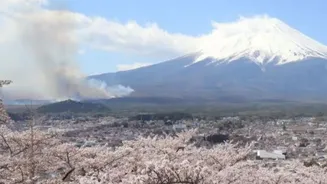
Island nations are prime examples of geographically isolated countries. Countries like Japan, with its mountainous terrain and surrounded by the sea, embodies this isolation. This feature has profoundly impacted Japan's history, culture, and economic development. Its reliance on maritime trade and its distinct cultural identity are, in large part, products of its island status. Furthermore, the warm waters of the Sea of Japan, which directly touches its borders, help shape the climate and impact the environment. Understanding these specific elements provides insights into Japan's geopolitical position and its interactions within the world.
Beyond Borders' Absence
The lack of land borders significantly affects a country's interactions with other nations. These interactions cover many aspects, from political ties to economic collaborations. For instance, countries without neighboring nations may have distinct trade and foreign policies, potentially focusing on sea routes or air travel for international trade. This isolation can also influence the country's defense strategies and diplomatic approaches. The absence of immediate neighbors shapes how a country interacts on the global stage, affecting everything from tourism to international relations, requiring unique strategies to manage these interactions.
Geographic Influences Explored
Geographic factors, such as terrain and climate, play a critical role in shaping the lives of nations, particularly those without neighbors. The mountainous terrain of some countries provides natural defense but can also pose challenges to internal transportation. Climatic conditions, such as snowfall, which could be record-breaking, will have significant impacts on infrastructure, agriculture, and daily life. The availability of natural resources and environmental considerations are also impacted. These aspects affect the economy, culture, and how these countries interact with the rest of the world, highlighting the complex relationship between geography and national identity.
Global Geopolitical Landscape
The concept of 'loneliest countries' provides a unique perspective on global geopolitics. Understanding these isolated nations offers valuable insights into international relations, security, and global trade. The policies that these countries have, whether related to trade agreements, defense strategies, or environmental concerns, are shaped in part by their geographic situation. The lack of neighboring nations forces these countries to adopt different strategies to maintain their global connections and influence. Examining these countries allows for a broader understanding of how geography and geopolitical strategy are intertwined on a global level.