
Geopolitical Crossroads
India's foreign policy is currently traversing a complex geopolitical landscape, particularly in its dealings with Russia and Venezuela. These relationships
are occurring against the backdrop of significant international sanctions, which are adding layers of complexity to India's strategic calculations. The nation must carefully manage its partnerships to secure its interests. The involvement of these countries has created a complicated web of international politics. India is attempting to uphold its connections with each nation while also adhering to international standards. This requires deft diplomatic maneuvering and a sharp understanding of the global consequences. India's actions are closely observed, which has a significant influence on the future of international relations.
Russia-Venezuela Dynamics
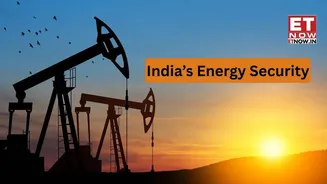
India's relationships with Russia and Venezuela are closely intertwined, with both countries holding strategic importance for India. Russia, a long-standing ally, is a key supplier of defense equipment and energy resources. Venezuela, with its vast oil reserves, is also vital for India's energy security. Nevertheless, both countries are under increasing international pressure. Russia faces sanctions due to the ongoing conflict in Ukraine, while Venezuela is dealing with its internal political and economic crises. India's strategy involves working with both nations while also taking into account the limitations imposed by sanctions and global pressure. The nation is trying to ensure its interests are maintained while adhering to international norms, creating a balanced approach to its relationships.
Navigating Sanctions Risk
The imposition of sanctions presents a considerable challenge for India, which must navigate a complex legal and political environment. The country is exposed to penalties, such as restricted access to international markets and financial systems, when dealing with sanctioned countries. India employs risk mitigation strategies to reduce these dangers. These include carefully selecting its business partners, establishing internal compliance systems, and maintaining transparent communication with international organizations. India's actions are intended to reduce the possibility of secondary sanctions and ensure its economic stability. The nation seeks to uphold its sovereign decision-making ability while adhering to international rules. This strategy requires a thorough understanding of international laws and a commitment to cautiousness in all dealings.
Strategic Implications
India's handling of the Russia-Venezuela situation has significant strategic consequences. The nation is strengthening its position as a major player on the international stage by exhibiting diplomatic agility. India’s decisions have an impact on regional stability and international relationships. By preserving connections with both Russia and Venezuela, the nation is contributing to a more diversified and multi-polar world order. These alliances provide economic advantages and strategic latitude, enabling India to further its interests on a global scale. India's decisions have far-reaching effects, influencing the economic environment as well as international relations. India is actively shaping the world order through calculated actions and strategic initiatives, establishing its position as a prominent global force.