
Defining Casual Sneakers
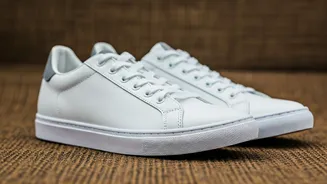
Casual sneakers are versatile footwear designed for everyday wear, emphasizing comfort and style. They differ from athletic shoes, prioritizing a more
relaxed aesthetic suitable for various settings. Key features often include durable materials, cushioned soles, and designs that complement everyday outfits. These sneakers are crafted from materials like canvas, leather, or suede, and they feature design elements such as low-tops, high-tops, or slip-ons. The primary goal is to provide comfort throughout the day without sacrificing style, making them ideal for casual outings, city strolls, or relaxed social gatherings. They represent a blend of functionality and fashion, allowing individuals to maintain a comfortable, yet stylish appearance in their daily routines.
Material Matters
The materials used in casual sneakers significantly impact their comfort, durability, and style. Leather sneakers offer a classic, sophisticated look and tend to be more durable, often developing a unique patina over time. Canvas sneakers are lightweight and breathable, perfect for warmer weather and a more relaxed vibe. Suede sneakers provide a luxurious texture, adding a touch of elegance, but require more care to maintain their appearance. Synthetic materials, like mesh or performance fabrics, enhance breathability and are often incorporated in designs that blend casual and athletic elements. The choice of material often depends on the intended use and personal style preferences, influencing both the visual appeal and the practical aspects of wear. Leather and suede typically require more maintenance, like cleaning and protection products, while canvas and synthetics are often easier to care for. Regardless of the material, quality construction ensures the sneakers' longevity and comfort.
Styles and Designs
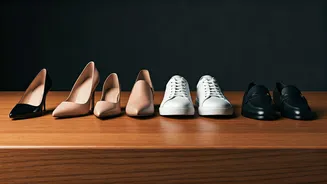
Casual sneakers come in a variety of styles, allowing for diverse fashion choices. Low-top sneakers are the most common, offering versatility and complementing various outfits. They are suitable for both casual and slightly dressed-up looks. High-top sneakers provide ankle support and a bolder style statement, often paired with jeans or shorts. Slip-on sneakers provide convenience, perfect for a quick, casual look without laces. Minimalist sneakers focus on simplicity, featuring clean lines and neutral colors, which are easy to match. Retro sneakers draw inspiration from vintage designs, often incorporating bold colors and patterns for a nostalgic touch. The specific design features—like the color palette, the presence of laces or absence thereof, and the overall silhouette—play a crucial role in the sneakers’ ability to integrate into different fashion contexts. Choosing the right style involves considering personal preferences, the outfits they will be paired with, and the occasions for which they will be worn.
Comfort Features Explained
Comfort is a crucial factor in the selection of casual sneakers. Cushioned insoles, made from materials like memory foam or gel, provide enhanced support and shock absorption, making the sneakers more comfortable for extended wear. The midsole, often made of materials such as EVA or polyurethane, plays a significant role in cushioning the foot and absorbing impact during walking. Proper arch support ensures that the foot is correctly aligned, which reduces strain and prevents discomfort. Breathable uppers, made of materials like canvas or mesh, help regulate temperature and prevent overheating, particularly important for all-day wear. The design of the outsole also contributes to comfort, offering good traction and flexibility. These features, in conjunction, affect the overall wearability of the shoes. When selecting casual sneakers, individuals need to check for these comfort-enhancing features to ensure a pleasant and supportive experience for their feet.
Fit and Sizing
Getting the right fit is crucial for comfort and prevents foot problems. Measure your feet accurately, considering both length and width. Try sneakers on at the end of the day, when feet are most swollen, which ensures the chosen size accommodates any natural changes in foot size. Always wear socks that you will typically wear with the sneakers during the fitting. The sneakers should fit comfortably without feeling too tight or too loose, allowing room for movement in the toes. When trying on the sneakers, walk around to assess how they feel and check for pressure points. Consider the shape of your feet—narrow, wide, or with high arches—and select sneakers that match these needs. Some brands run larger or smaller than others, so it is necessary to refer to the brand’s sizing chart or read customer reviews for guidance. Proper fit guarantees that your feet remain comfortable, supported, and free from injury.
Choosing the Right Pair
Selecting the right pair of casual sneakers involves considering several factors. First, consider how you intend to use the sneakers, as this will influence the style and materials you need. If you will be walking a lot, prioritize comfort features such as cushioning and arch support. Think about what kind of outfits you would like to pair with the sneakers to determine the style and color. Consider the climate and weather conditions to help determine the type of materials that are appropriate for the seasons. It's also important to set a budget, since prices range significantly across different brands and materials. When shopping, check reviews to gain insights into the experiences of other customers with the sneakers. It's recommended to test several pairs to compare comfort levels, style, and fit. Finally, make an informed decision based on your personal needs and preferences to find the ideal sneakers to match your daily lifestyle and fashion tastes.