




A New Era Dawns
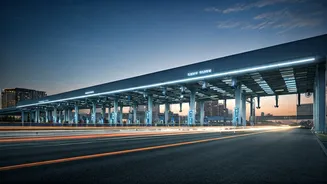
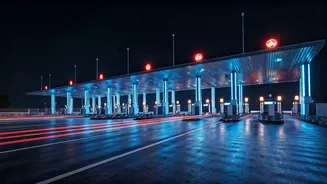
India is rapidly advancing its highway infrastructure, with the recent inauguration of a barrier-free toll plaza on Delhi's Urban Extension Road-II marking
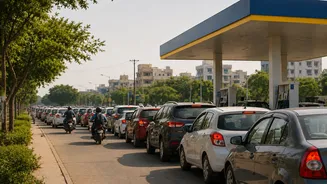
a significant milestone. This new facility, located at Mundka-Bakkarwala, is now the second such toll plaza in the country to operate without physical barriers. This development follows closely on the heels of similar inaugurations, including one on NH-48 in Gujarat, underscoring a national push towards modernizing toll collection. The aim is to eliminate traffic congestion and enhance the overall travel experience for millions of commuters who utilize these crucial road networks daily. This initiative represents a tangible step towards a more efficient and technologically driven transportation system for India.
MLFF Technology Explained
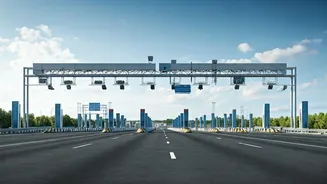
The revolutionary barrier-free tolling system is powered by Multi-Lane Free Flow (MLFF) technology. This advanced system leverages a sophisticated network of overhead gantries equipped with state-of-the-art sensors and high-definition cameras. As vehicles approach the tolling point, these sensors and cameras work in tandem to accurately identify each vehicle and its corresponding toll tag, such as FASTag. The toll charge is then deducted automatically and in real-time from the registered account, eliminating the need for vehicles to slow down or stop. This technology ensures that traffic continues to move without interruption, significantly reducing the delays and environmental impact associated with traditional toll plazas and their physical impediments. It's a seamless integration of technology for a smoother transit.
Driver Responsibilities Unveiled
For users to fully benefit from the MLFF system, active participation and adherence to specific guidelines are crucial. Motorists are required to settle any outstanding toll charges within 72 hours of receiving an e-Notice. Prompt payment ensures the toll amount remains at the standard rate (1x). However, failure to pay within this 72-hour window will result in a penalty, doubling the toll amount (2x). It is important to note that this increased charge is not a penalty for using the MLFF road itself, but rather for the delay in clearing the missed toll. To ensure uninterrupted travel, vehicle owners should maintain an active FASTag with sufficient balance, ensure their vehicle is fitted with a High Security Registration Plate (HSRP), and regularly check their registered mobile number for any notifications related to toll payments.
National Rollout Plans
The implementation of barrier-free tolling is a nationwide endeavor. The National Highways Authority of India (NHAI) has ambitious plans to equip more toll plazas with MLFF technology in the current financial year, aiming for a significant national rollout. This phase encompasses 17 toll plazas spread across nine diverse states, including Gujarat, Delhi, Haryana, Rajasthan, Tamil Nadu, Karnataka, Maharashtra, and Assam. The objective is for all these plazas to become fully operational with barrier-free systems by September 2026. Looking ahead, Phase 2 of this transformative project is slated to introduce this technology to an additional 108+ toll plazas by March 2027, further solidifying India's commitment to modernizing its highway infrastructure and enhancing commuter convenience across the country.