




Expedited Access to Uttarakhand
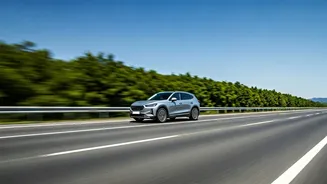
The newly inaugurated Delhi-Dehradun Expressway represents a significant leap in connectivity, drastically reducing travel time from the bustling capital
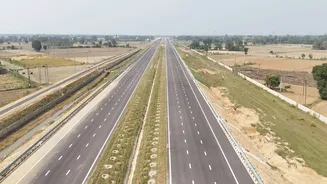
to the serene city of Dehradun. What once took over six hours can now be accomplished in approximately 2.5 hours, covering a distance of 213 km. This impressive feat is achieved through a six-lane, access-controlled corridor designed for high-speed transit, a project realized with an investment of Rs 12,000. Beyond just speed, the expressway is engineered for convenience and integration, featuring 113 vehicular underpasses to maintain local connectivity without disrupting high-speed traffic flow. Additionally, it boasts 62 bus shelters, an extensive 76 km of service roads, multiple entry and exit points, and various wayside amenities. Environmental considerations are also integrated, with rainwater harvesting systems and groundwater recharge points strategically placed along the route.
Enhanced Connectivity and Regional Impact
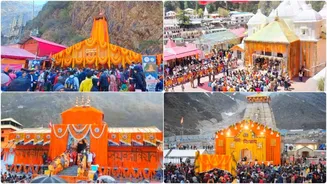
The benefits of this expressway extend far beyond just reduced travel time. It significantly enhances accessibility to pivotal religious and tourist hotspots, including Haridwar, the sacred Char Dham pilgrimage route, and the popular hill stations of Mussoorie and Dehradun. This improved access is also spurring growth in Dehradun, making it an increasingly attractive destination for those considering second homes or long-term relocations from Delhi. Furthermore, the expressway is designed to uplift regional development by ensuring that towns along its path, such as Meerut, Baghpat, Shamli, and Yamunagar, remain well-connected through dedicated service lanes, underpasses, and interchanges, preventing them from being bypassed by the high-speed corridor.
Navigating Safely: Rules of the Road
Adherence to safety regulations is paramount on this high-speed corridor. Authorities are utilizing electronic surveillance, including cameras, to enforce strict penalties for violations such as speeding and driving in the wrong lane. Notably, certain vehicles are prohibited; two-wheelers, autos, and tractors are not permitted on the expressway, with access restricted to high-speed vehicles only. A unique safety measure is the 'no honking' rule within the 12-km elevated wildlife corridor passing through Rajaji National Park. This is to safeguard the local fauna and minimize disturbance. Drivers are also advised to use low-beam headlights at night and maintain consistent, moderate speeds when transiting this sensitive ecological zone to ensure the safety of both themselves and the wildlife.
Pre-Travel Preparations Checklist
To ensure a trouble-free journey, thorough preparation is key. Begin by checking your vehicle's readiness; ensure a full tank of fuel, as there are currently no petrol pumps or EV charging stations directly on the expressway. Inspect your tires meticulously for optimal pressure and any signs of wear, which is critical given the potential speeds of 100 km/h. It's also advisable to carry essential supplies such as water, snacks, and a first-aid kit, as rest areas and food courts are still under development. For toll payments, confirm that your FASTag is functional, as the toll system operates on a closed loop, and any issues could lead to delays. Plan your entry and exit points with precision, as stopping, making U-turns, or reversing on the expressway is strictly forbidden. Lane discipline is vital: heavy vehicles should use the left lane, the middle lane is for general cruising, and the right lane is exclusively for overtaking.
Emergency Protocols and Navigation Tips
In the event of an unforeseen emergency, immediate action is required. Safely pull over to the shoulder, activate your hazard lights to alert other drivers, and then contact the designated helpline. Navigation can also be a challenge; be aware that navigation apps, such as Google Maps, might experience delays or inaccuracies after passing Saharanpur. Therefore, it's crucial to rely on the official signage along the expressway and to generally stay in the right lane to allow for smoother traffic flow. Recent experiences have shown that maintaining speeds around 100 km/h is feasible, but vigilance is needed to watch for any vehicles inadvertently on the wrong side, especially until enforcement becomes more robust. While the expressway significantly enhances connectivity to Uttarakhand, proactive preparation remains the cornerstone of an incident-free travel experience.