






Aggressive Exterior Evolution
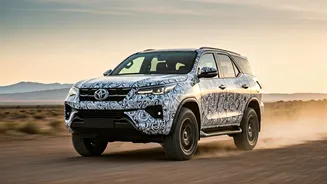
Recent spy photographs of the forthcoming 2026 Toyota Fortuner, undergoing rigorous testing in Thailand, paint a vivid picture of a complete overhaul rather
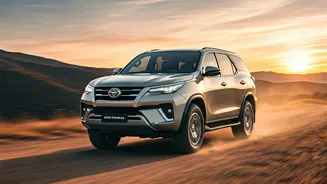
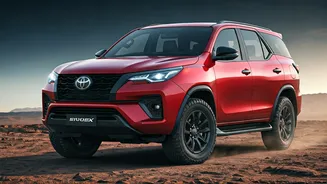
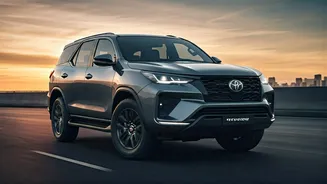
than a mere facelift. These sightings confirm that development is well underway for a global unveiling anticipated towards the end of 2026. The visual cues from these camouflaged prototypes align remarkably with digital renderings shared online. Expect the new model to sport a commanding hexagonal grille, likely adorned with a honeycomb pattern, and sleeker, split headlamp clusters integrated with modern LED daytime running lights. The front bumper is sculpted to convey a more muscular and assertive character, drawing inspiration from the robust aesthetic of the brand's popular pickup truck. Its signature boxy silhouette is retained, accentuated by pronounced fender flares and substantial alloy wheels, reinforcing its rugged and capable demeanor. The rear end is also poised for a significant update, with sharper lines and detailing designed to inject contemporary flair into its well-established presence.
Reimagined Premium Interior
Inside, the 2026 Fortuner is poised for a substantial transformation, aiming to elevate the cabin experience significantly. Drawing inspiration from the latest advancements seen in the brand's pickup truck lineup, the interior is expected to feature a fully digital instrument cluster, providing crisp and customizable display options for the driver. Complementing this will be a generously sized 12.3-inch infotainment system, serving as the central hub for connectivity and entertainment. Anticipated upgrades extend to dual-display configurations, integrated wireless charging capabilities, and front seats offering both ventilation and power adjustment for enhanced comfort. A panoramic sunroof is also on the cards, contributing to an airy and open cabin ambiance. Furthermore, improved connectivity options, including support for over-the-air software updates, will ensure the vehicle remains current with the latest digital advancements. These comprehensive interior enhancements are crucial for addressing prior criticisms regarding the current model's somewhat dated cabin design and are vital for maintaining competitiveness in its segment.
Advanced Safety Suite
The integration of advanced safety technologies is a key highlight confirmed by the presence of radar sensors and cameras in the latest spy shots. This strongly suggests the incorporation of the brand's comprehensive 'Toyota Safety Sense' suite. This intelligent system is expected to equip the SUV with crucial Level 2 autonomous driving capabilities, including features like adaptive cruise control, which automatically adjusts speed to maintain a safe distance from the vehicle ahead, and lane-keep assist, which helps steer the vehicle to stay within its lane. Additionally, collision avoidance systems are anticipated to be standard, actively working to prevent potential accidents. Beyond these advanced systems, the vehicle is also likely to come equipped with a 360-degree camera for enhanced situational awareness during parking maneuvers, along with standard parking sensors and an electronic parking brake featuring an auto-hold function. These additions are designed to make the new Fortuner a significantly more compelling and secure option against its increasingly sophisticated rivals.
Powertrain Options Evolve
Under the hood, the next-generation Fortuner is expected to maintain its reputation for robust performance by continuing with its proven powertrain options. This includes the reliable 2.7-litre petrol engine and the popular 2.8-litre turbo-diesel engine, both offering ample power and torque for various driving conditions. These engines will likely remain paired with a choice of smooth manual and responsive automatic transmissions, catering to diverse driver preferences. A significant development anticipated for the diesel variant is the introduction of a 48-volt mild-hybrid system. This electrification step is designed to improve overall fuel efficiency and contribute to reduced tailpipe emissions, aligning with growing environmental consciousness and regulatory trends. While this hybrid technology might be introduced at a later stage, its inclusion signifies a commitment to enhancing the SUV's sustainability credentials without compromising its inherent strength and capability.