






Solar Maximum's Impact
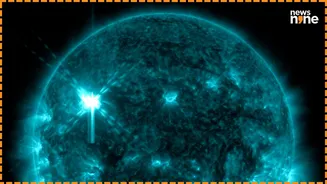
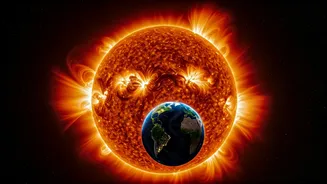
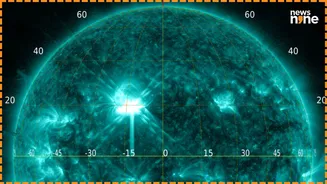
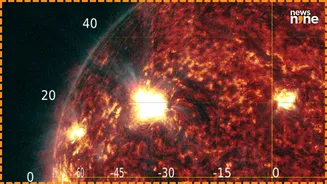
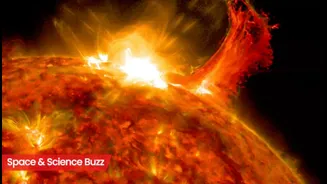
The primary factor driving the forecast of incredible Northern Lights in 2026 is the solar cycle, specifically the approach of solar maximum. Solar maximum is the period
of greatest activity in the sun's 11-year cycle, marked by an increase in sunspots, solar flares, and coronal mass ejections (CMEs). These events release vast amounts of energy and charged particles into space. When these particles interact with Earth's magnetic field and atmosphere, they create the mesmerizing auroras, including the Northern Lights. The intensity of this cycle directly correlates to the brilliance and frequency of aurora sightings.
Predicting Aurora Shows
Predicting the exact intensity and timing of auroras involves studying solar activity and understanding how it interacts with Earth's magnetic field. Scientists monitor sunspots, solar flares, and CMEs to forecast when and where auroras might occur. The NOAA issues solar storm watches, which are warnings of potential geomagnetic disturbances that could spark auroras. This scientific process allows enthusiasts to plan trips to locations with high visibility. The higher the solar activity, the more spectacular and widespread the auroras are likely to be, potentially visible from areas farther south than usual. This means that, in 2026, many locations may experience auroras, which previously had never been able to see them.
Ideal Viewing Locations
To fully appreciate the Northern Lights, you must be in an area with minimal light pollution and clear skies. Locations near the Arctic Circle are prime spots, including areas in Canada (Yukon, Northwest Territories, and Nunavut), Alaska, Iceland, Greenland, Norway, Sweden, and Finland. Many of these regions offer viewing tours and accommodations designed for aurora viewing, ensuring optimal chances of witnessing the display. Being away from city lights, and preferably in a high-latitude location, maximizes the visibility of these stunning celestial events. If solar activity is high, auroras may be visible at lower latitudes.
Understanding Aurora Colors
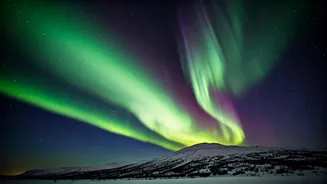
The colors of the Northern Lights result from the interaction of charged particles with different gases in Earth's atmosphere. Oxygen produces green and red hues, while nitrogen causes blue and purple colors. The altitude at which these interactions occur influences the color seen. Lower-altitude interactions often result in red, while higher altitudes produce green. The intensity of solar flares and the energy of the particles determine the brightness and range of colors in the aurora. Observing these varying colors is an important part of the experience, as the colors change and shift across the sky.
Beyond the Lights
While the Northern Lights are a major draw, heightened solar activity in 2026 may also affect technology. Solar storms can interfere with satellite signals, GPS systems, and power grids, presenting challenges for both infrastructure and communications. However, for those interested in space weather, this heightened activity provides an opportunity to observe and understand the interplay between the sun and Earth in real-time. By staying informed about solar storm forecasts and potential impacts, you can prepare for both the spectacular aurora displays and any potential technological disruptions.