






Understanding Mileage Accuracy
Many vehicle owners assume they know how to accurately gauge their car's fuel economy, but a surprising number employ methods that lead to misleading results.
This common misunderstanding can obscure the true performance of a vehicle, making it difficult to assess if fuel consumption is optimal or if there are underlying issues affecting efficiency. The typical approach often involves glancing at the dashboard's estimated mileage, which can be influenced by numerous factors and isn't a direct measure of fuel consumed versus distance traveled. Without a consistent and precise method, drivers may be unaware of minor performance degradations or might over- or underestimate their car's actual fuel efficiency. This lack of precision can hinder effective decision-making regarding maintenance, driving habits, and even the financial implications of fuel costs over time. Therefore, adopting a standardized and reliable technique for calculating mileage is paramount for any driver seeking to truly understand and manage their vehicle's performance and expenditures.
The Precise Mileage Method
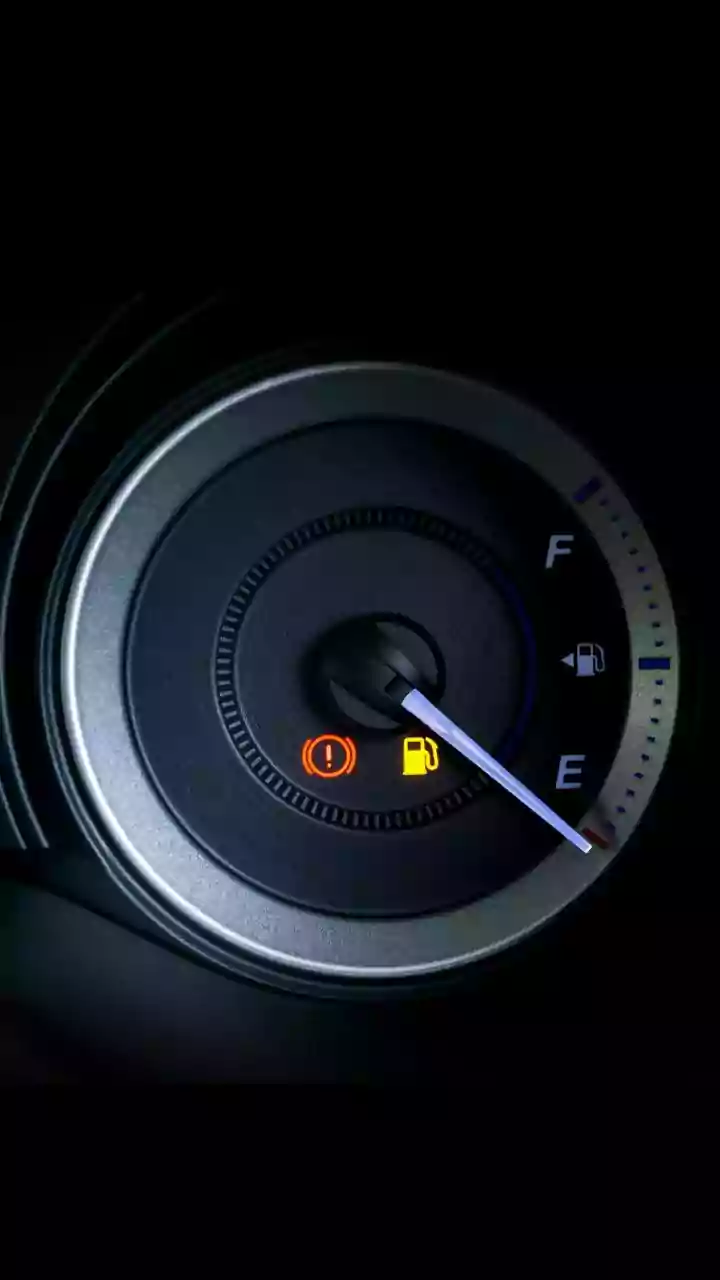
To achieve an accurate assessment of your car's fuel efficiency, a straightforward, manual process is recommended. Begin by filling your fuel tank completely until the pump automatically clicks off. Note the exact mileage displayed on your odometer at this point. Then, drive your vehicle normally until the fuel level is significantly low, ideally close to the quarter-tank mark or when the low-fuel warning light illuminates. Return to the same gas station and fill the tank completely again, again stopping when the pump clicks. Record the exact mileage indicated on the odometer now, and critically, note the precise volume of fuel you've added to refill the tank. To calculate your car's miles per gallon (MPG), subtract the initial odometer reading from the final odometer reading to find the total miles driven. Then, divide the total miles driven by the gallons of fuel you just added to refill the tank. This calculation provides a far more accurate representation of your car's real-world fuel efficiency than relying solely on dashboard displays.
Optimizing Your Fuel Usage
Once you have established a reliable baseline for your car's fuel mileage using the precise method, you can begin to identify opportunities for improvement. Consistent monitoring of your MPG will allow you to spot trends and notice any significant drops in efficiency, which could indicate mechanical issues, tire pressure problems, or the need for routine maintenance like air filter replacement. Furthermore, understanding your vehicle's actual fuel consumption empowers you to adjust your driving habits. Practices such as maintaining a steady speed, avoiding aggressive acceleration and braking, and minimizing idling time can all contribute to better fuel economy. Ensuring your tires are properly inflated to the manufacturer's recommended pressure is also a crucial factor, as underinflated tires increase rolling resistance and thus fuel usage. By diligently tracking your mileage and implementing these simple strategies, you can effectively enhance your car's fuel efficiency, leading to both cost savings and a reduced environmental footprint.