







Bullet Train Progress
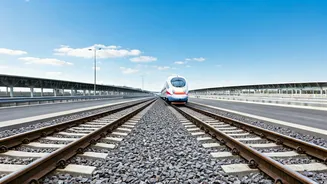
The focus on high-speed rail is underscored by the ongoing Ahmedabad-Mumbai Bullet Train project, which is nearing completion. Despite the anticipation
surrounding this flagship project, there have been significant financial challenges. The initial budget has more than doubled, raising questions about cost management and the overall economic feasibility of such ventures. This project serves as a crucial test case, providing valuable lessons for future high-speed rail endeavors. The finalization of this route is a crucial step towards modernizing the railway infrastructure and will set the stage for subsequent projects across the country.
Long-Term Expansion Plans
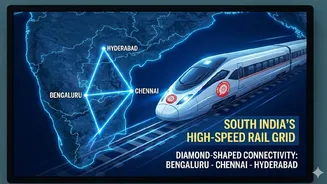
Beyond the Ahmedabad-Mumbai corridor, the Indian government envisions a wider high-speed rail network. One significant aspect of this plan is the proposed high-speed rail link between Ahmedabad and Chennai. Additionally, the government aims to establish high-speed rail connectivity between Bengaluru and Chennai. These strategic connections are designed to improve regional connectivity and reduce travel times. This expansion is a key element of the government's long-term infrastructure development strategy, promising to dramatically reshape India’s transportation landscape.
Budget Speech Highlights
During her budget speech, Finance Minister Nirmala Sitharaman highlighted the government's commitment to high-speed rail. She announced that seven new high-speed rail corridors would be developed in different parts of India. These corridors are a significant part of the government's long-term infrastructure plan. The announcement indicates a clear and strong endorsement for rapid advancement of high-speed rail as a priority. This focus is anticipated to attract substantial investments. The budget allocation reflects the government’s dedication to modernizing India’s railway systems and boosting economic development.
Key Proposed Routes
The proposed high-speed rail corridors span several key routes across India. These include Mumbai to Pune; Pune to Hyderabad; Hyderabad to Bengaluru; Hyderabad to Chennai; Chennai to Bengaluru; Delhi to Varanasi; and Varanasi to Siliguri. These planned routes are designed to connect major cities and improve transportation efficiency. The selection of these corridors emphasizes the government’s efforts to improve connectivity. This will also enhance economic activity and facilitate easier movement of people and goods across the country, thereby integrating different regions more effectively.
Delhi-Varanasi Connection
A notable proposal involves establishing high-speed rail connectivity between Delhi and Varanasi. The goal is to complete this route within a time frame of less than eight hours. This project is expected to significantly reduce travel time. The Delhi-Varanasi route is vital, because it improves the quality of travel between two important cities. This reduction in travel time can greatly benefit both business and leisure travelers. The route is crucial for providing a high-speed link and is expected to set a benchmark for future projects.