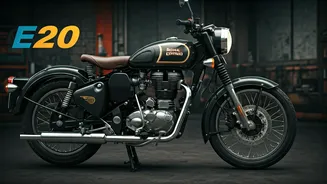






The E20 Fuel Challenge
The Indian government's push towards E20 fuel, which contains 20% ethanol, has raised significant concerns for owners of older Royal Enfield motorcycles,
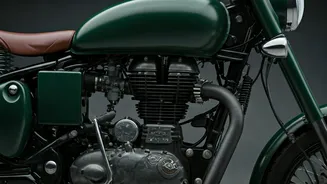
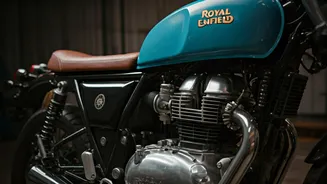
particularly those adhering to BS3 and BS4 emission standards. Ethanol is known to be more reactive and tends to absorb moisture from the atmosphere. This characteristic can lead to adverse effects on conventional rubber components and seals within a motorcycle's fuel system. Over time, these parts can degrade, becoming brittle, swollen, or cracked, ultimately compromising the engine's performance and potentially leading to costly repairs. For owners of iconic models like the Bullet 350, Classic 350, Electra, and Thunderbird, this presents a pressing need for a reliable solution to ensure their beloved machines can safely navigate the evolving fuel landscape without suffering damage.
Royal Enfield's E20 Upgrade Kits
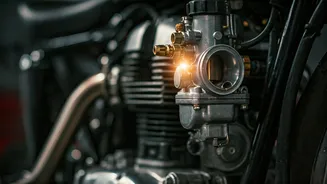
To address these concerns, Royal Enfield has introduced specific upgrade kits designed to make their older BS3 and BS4 models compatible with E20 fuel. For BS3 motorcycles, the company offers a specially designed carburettor kit priced at approximately Rs 3,000. For the BS4 models, a similar carburettor kit is available for around Rs 4,000. Furthermore, owners of the fuel-injected 500 cc variants can opt for updated injectors, which come at a cost of approximately Rs 2,500. These prices are indicative and subject to potential variations. The modifications incorporated into these kits involve crucial updates to seals, various rubber components, and internal carburettor parts. These enhancements are engineered to withstand the more aggressive nature of E20 fuel, preventing degradation and ensuring the fuel delivery system functions optimally and reliably over the long term.
Understanding the Technical Revisions
The underlying reason for these upgrades lies in the chemical properties of ethanol. Ethanol, when blended with petrol, has a lower energy density than pure gasoline. This means the engine might consume slightly more fuel to produce the same amount of power, potentially leading to a marginal decrease in fuel efficiency. More critically, ethanol's affinity for water can lead to corrosion and degradation of standard rubber and plastic parts commonly found in older motorcycle fuel systems. The revised carburettors and injectors from Royal Enfield are specifically tuned to handle these properties. They feature more robust seals and materials that are resistant to the chemical reactions and moisture absorption associated with ethanol. This proactive approach by Royal Enfield ensures that older models can continue to be ridden safely and efficiently, safeguarding them from the long-term detrimental effects of E20 fuel, thereby preserving their operational integrity and value for owners.
Compatibility Beyond BS4
It's important to note that Royal Enfield's current E20 compatibility solutions are primarily targeted at their older BS3 and BS4 carburetted and 500cc fuel-injected models. As of now, the company has not announced any specific E20-compliant updates for their BS6 Stage I 650 cc motorcycles. These models are designed to be compatible with E10 fuel, which has a lower ethanol content. Whether Royal Enfield plans to release E20-compatible parts or updates for these newer 650 cc bikes in the future remains uncertain. Owners of these models should continue to adhere to the recommended fuel types specified by the manufacturer to ensure optimal performance and longevity of their motorcycles.