







Tire Integrity is Key
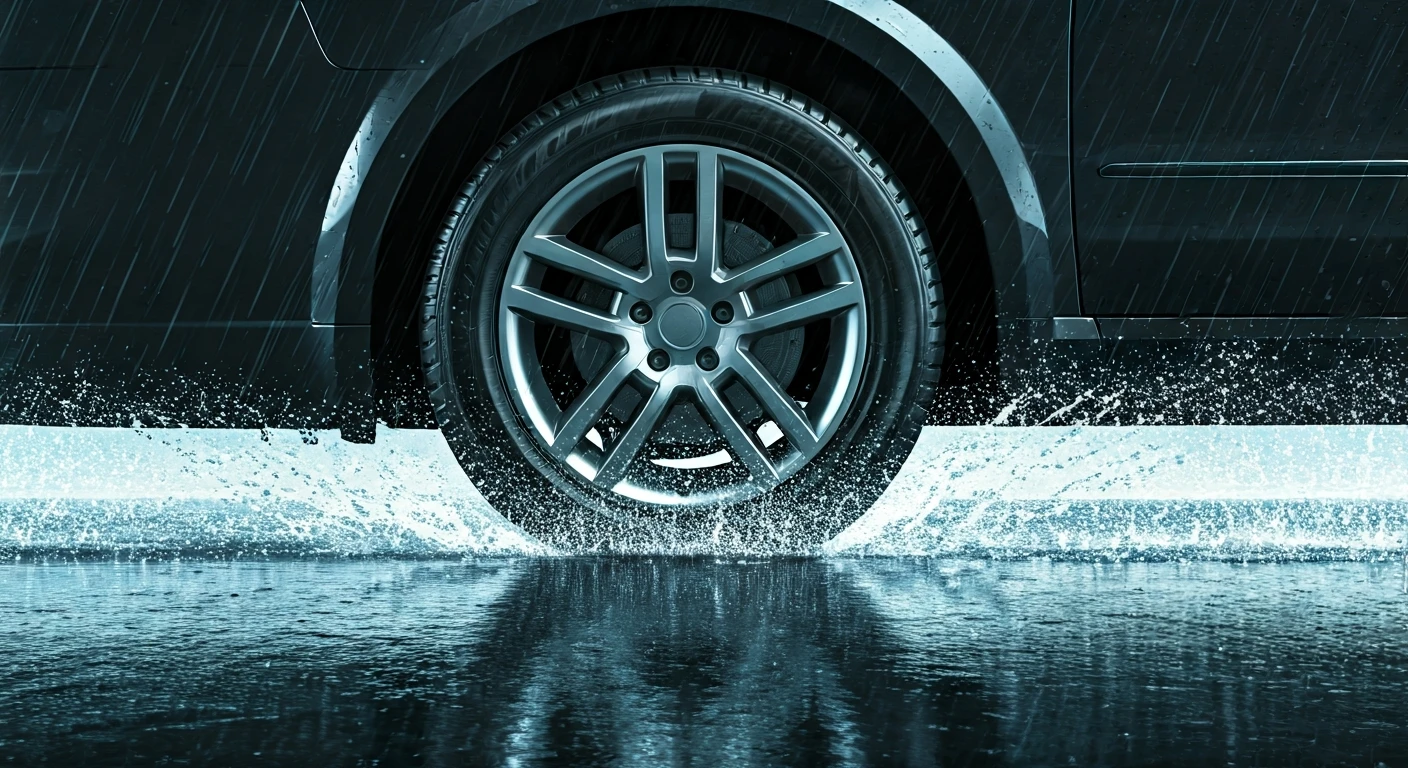
Before venturing out during the monsoon, a thorough check of your vehicle's tires is paramount. Ensure they are adequately inflated to the recommended
pressure and, more importantly, possess sufficient tread depth. This deep tread is vital for effective water dispersal, significantly reducing the risk of hydroplaning where tires lose contact with the road surface due to a layer of water. Properly maintained tires provide the necessary grip on slick surfaces, making your journey considerably safer and more controlled, especially when encountering unexpected wet patches.
Wiper System Check
Your windshield wipers are indispensable for clear visibility during downpours. Before commencing your trip, confirm that your wipers are functioning flawlessly. If they're leaving streaks, chattering, or appear visibly worn, it's imperative to replace them. A well-functioning wiper system ensures that rain and road spray are effectively cleared, allowing you to see potential hazards and maintain proper orientation on the road, which is critical for safe driving in reduced visibility conditions.
Braking System Performance
Wet road conditions dramatically extend the distance your vehicle requires to come to a complete stop. It's therefore crucial to test your brakes before setting off. Listen for any unusual noises and feel for any sponginess in the pedal. If you detect any abnormalities or feel that your brakes are not as responsive as they should be, it is highly advisable to have them inspected and serviced by a qualified mechanic before you embark on your journey to prevent potential accidents.
Utilize Headlights Wisely
Even when the skies are overcast but not actively raining, visibility can be severely compromised by the ambient light conditions. It is therefore a good practice to switch on your headlights, even during daylight hours. This action not only helps you to see the road ahead more clearly but, more importantly, makes your vehicle significantly more visible to other road users, reducing the likelihood of a collision, especially in situations where other drivers might not be expecting you.
Crucial Safe Distance
One of the most frequently overlooked yet critically important aspects of driving in the rain is maintaining a substantially larger following distance from the vehicle ahead. Wet roads diminish tire traction and significantly increase braking distances. By keeping a generous gap, you provide yourself with the essential extra time and space needed to react promptly and brake safely should the vehicle in front of you decelerate unexpectedly or suddenly stop.
Smooth Driving Habits
Abrupt actions behind the wheel are particularly hazardous on slick surfaces. Sudden braking, sharp acceleration, or abrupt steering inputs can easily lead to a loss of traction and potentially cause your vehicle to skid uncontrollably. To ensure a stable and safe drive, focus on executing all maneuvers smoothly and gradually. Predict your driving environment and make gentle adjustments to speed and direction to maintain optimal control.
Waterlogging Preparedness
Encountering flooded roads, or waterlogged areas, presents a significant risk during heavy rainfall. Before attempting to drive through any standing water, it's vital to cautiously assess its depth. If the water appears to be dangerously deep, or if you are uncertain about the road's condition beneath the surface, the safest course of action is to either seek an alternative route or patiently wait for the water levels to subside. Driving through deep water can lead to engine damage or loss of vehicle control.