
Solar Activity Rising
The primary reason for the expected celestial fireworks in 2026 is increased solar activity. Our sun goes through an approximately 11-year cycle, and we
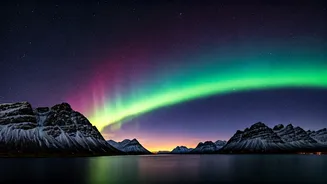
are currently approaching the peak, known as the solar maximum. During this phase, the sun becomes more active, releasing more energy in the form of solar flares and coronal mass ejections (CMEs). These events send charged particles towards Earth. When these particles collide with the Earth's atmosphere, they interact with gases like oxygen and nitrogen, creating the beautiful auroral displays. The more intense the solar activity, the more spectacular the auroras. This solar maximum is expected to be particularly robust, making 2026 a potential prime year for viewing the Northern Lights and possibly even auroras visible at lower latitudes in India.
Geomagnetic Storms Explained
The solar events that cause auroras also trigger geomagnetic storms. When the charged particles from the sun interact with Earth’s magnetic field, they can disrupt it, leading to these storms. The strength of these storms is measured on a G-scale, with G1 being minor and G5 being extreme. Higher G-levels mean a greater chance of auroras and potentially other effects. For example, the NOAA (National Oceanic and Atmospheric Administration) sometimes issues alerts predicting the likelihood of geomagnetic storms. The intensity of a geomagnetic storm can influence not only the visibility of auroras but also satellite communications, power grids, and GPS systems. Although these events can present challenges, they also create the amazing light shows that draw skywatchers.
Double Lightning Phenomena
Beyond auroras, 2026 may also feature other rare events, like 'double' lightning phenomena. This kind of phenomenon involves two distinct lightning strikes occurring in relatively close proximity, creating a more dramatic visual display. Researchers have witnessed this kind of phenomenon, and although relatively rare, the increased atmospheric activity during the solar maximum could make these events more frequent. These lightning events are often associated with other atmospheric phenomena, like red sprites and blue jets, which are brief flashes of light that occur above thunderstorms. The combined presence of these events provides a unique opportunity for photographers and anyone interested in meteorology to capture and study extraordinary atmospheric occurrences.
Witnessing the Spectacle
To maximize the chance of witnessing these celestial events, there are several factors to consider. First, get away from light pollution. The darker the sky, the better the view of auroras and other phenomena. Locations away from cities and with clear horizons offer the best viewing conditions. Second, keep an eye on aurora forecasts. Several online resources provide predictions on aurora activity, including the likelihood of visible displays in specific areas. These forecasts consider space weather data, allowing you to plan your viewing sessions. Finally, be patient and prepared. Auroras can appear suddenly and may last for only a short time. Having your camera ready and being willing to wait can enhance the experience of watching these light shows. The year 2026 promises to be a memorable time for gazing up into the skies.