



Understanding Winter Jackets
Winter jackets are specifically designed to provide warmth and protection during cold weather. They differ significantly from lighter jackets like windbreakers
or raincoats. The primary function of a winter jacket is insulation, achieved through various materials and construction techniques. Jackets are rated based on their warmth, typically measured by factors like insulation fill power and weight. They also provide protection against wind, snow, and rain, often incorporating water-resistant or waterproof outer layers and features like hoods and cuffs. The best choice of a winter jacket depends heavily on the climate and specific needs of the wearer, considering factors such as temperature, activity level, and personal style. It's essential to understand these aspects to make an informed decision and select a jacket that offers the best balance of warmth, comfort, and functionality for your needs.
Exploring Jacket Styles
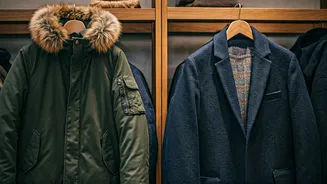
Men's winter jackets come in numerous styles, each designed for different purposes and preferences. Parkas are long, often hooded jackets that provide extensive coverage and are ideal for extremely cold conditions. They typically feature heavy insulation, a waterproof outer shell, and sometimes fur-lined hoods for added protection. Puffer jackets, characterized by their quilted design and down or synthetic insulation, are known for their lightweight warmth. They're excellent for moderate to cold temperatures and are easily compressible, making them convenient for travel. Overcoats, or wool coats, offer a classic, stylish option, suitable for more formal occasions or layering. They provide warmth through the dense fabric, though they may not be as waterproof or windproof as other styles. Lastly, bomber jackets, originally designed for pilots, are characterized by their short length, ribbed cuffs, and often a water-resistant outer shell, providing a more casual and versatile choice for milder winter days. The choice of style should reflect personal needs, style preference, and expected weather conditions.
Key Features Explained
Several key features significantly impact a winter jacket's performance and comfort. Insulation is a critical factor, with down and synthetic options being the most common. Down provides superior warmth-to-weight ratio but loses its insulation capabilities when wet, whereas synthetic insulation, such as polyester, maintains its warmth even when damp. Waterproofing is also essential, especially in areas with rain or snow. Look for jackets with waterproof ratings, indicated by a millimeter (mm) value, which measures the water column a fabric can withstand before leaking. Wind resistance is another key feature, often achieved through tight-woven fabrics or membranes that block wind penetration. Features like adjustable hoods, zippered pockets, and adjustable cuffs enhance functionality. A well-designed hood provides protection from the elements, while zippered pockets secure belongings. Adjustable cuffs prevent drafts and ensure a comfortable fit. Consider these features based on your personal needs and the climates you'll be experiencing during the winter months to make the right choice of a winter jacket.
Materials Matter Most
The materials used in a winter jacket largely dictate its performance and durability. Outer shells are often made from fabrics such as nylon or polyester, chosen for their water resistance, wind resistance, and abrasion resistance. These fabrics can be treated with a durable water repellent (DWR) finish to enhance their water resistance further. Insulation materials are primarily down and synthetic fibers. Down, sourced from geese or ducks, offers exceptional warmth, making it ideal for extremely cold conditions. However, synthetic insulation, such as PrimaLoft or Thinsulate, is more affordable and maintains its insulating properties even when wet. Linings are typically made from soft, comfortable materials like fleece or nylon, which enhance comfort and help trap body heat. The combination of these materials creates a jacket that provides protection, comfort, and durability in various winter conditions. It is important to look at the material and construction quality when deciding the best jacket for your needs.
Picking the Right One
Selecting the right men's winter jacket involves considering several factors, including climate, activity level, and personal style. In extremely cold climates, a parka with heavy down insulation and a waterproof outer shell is best. For milder winters, a puffer jacket or a versatile overcoat may suffice. Consider your activity level; a jacket for outdoor sports should offer breathability and freedom of movement, while a jacket for urban use might prioritize style. Ensure the jacket fits well, allowing room for layering without restricting movement. It's also important to consider features like hood style, number of pockets, and the presence of adjustable cuffs. Don’t hesitate to read reviews to assess a jacket's performance and durability. The ultimate goal is to find a jacket that balances warmth, functionality, and personal style, providing comfort and protection throughout the winter season.