


Emerging EV Trends
The Indian automotive sector is witnessing a surge in electric vehicle (EV) development, with various manufacturers unveiling their upcoming models. Several
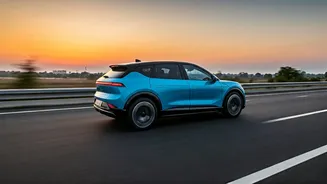
new SUVs, such as the Porsche Cayenne Electric, Mahindra XUV900, and Kia Syros EV, indicate a growing demand for electric SUVs in India. Additionally, new electric sedans and hatchbacks are also in the pipeline. These models, including the Maruti Suzuki Wagon R Electric and MG 4 EV, aim to cater to diverse consumer preferences. Furthermore, the trend extends to electric two-wheelers with models like the Bajaj Chetak C25. These advancements signify a comprehensive transition towards sustainable transportation solutions in the country. The shift towards EVs is not just about the vehicles themselves but also about the infrastructure needed to support them, including charging stations and government policies promoting adoption. Manufacturers are strategically positioning themselves to tap into this growing market, introducing innovative designs and advanced technologies to meet evolving consumer expectations. The focus on features like head-up displays and dash cams in models like the Toyota Urban Cruiser Hyryder further enhances the appeal of these new-age vehicles, making them more attractive to a tech-savvy consumer base.
Diverse EV Models
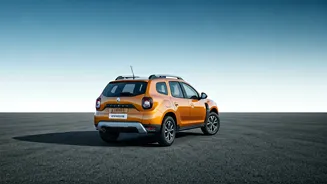
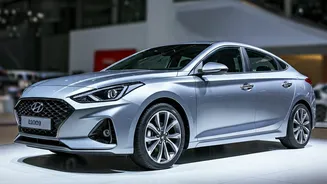
A wide array of electric vehicles are set to be introduced in India, spanning several categories and price points. In the SUV segment, upcoming models include the Jeep Recon Electric, Volvo EM90, and Mahindra BE.05. The Tesla Model X and the new Audi Q3 are also expected to make an impact. The diversity of the offering ensures there is something for everyone. For those seeking alternatives, hatchback options such as the MG 4 EV and the Maruti Suzuki Wagon R Electric are available. The VinFast VF9 and Tesla Model S are anticipated additions to the sedan market. Furthermore, the launch of models like the Hyundai All-Electric Micro SUV signals a move towards smaller, more affordable EVs suitable for urban environments. This variety caters to differing consumer needs and preferences, driving the adoption of electric mobility across various segments. From compact urban runabouts to large luxury SUVs, the range of electric vehicles slated for launch reflects manufacturers' commitment to offering sustainable transport choices to the Indian consumer base. The introduction of these vehicles is not only a response to environmental concerns but also a strategic move to leverage India’s rapidly growing automotive market, which provides fertile ground for EV adoption.
Tech and Design
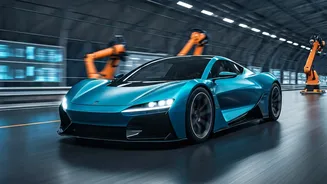
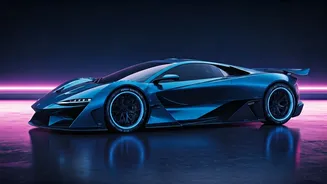
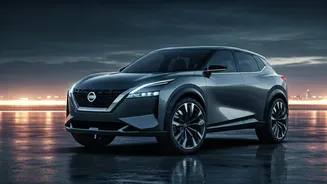
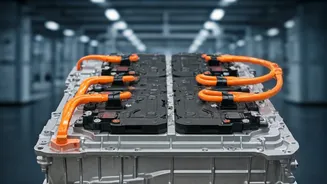
Modern electric vehicles coming to India showcase technological advancements. Features such as head-up displays and dash cams, as seen in the Toyota Urban Cruiser Hyryder, are becoming commonplace, elevating the driving experience. Innovative designs, like those expected in the Audi E-Concept and Lexus Sport electric car concept, highlight a trend towards aerodynamic efficiency and visual appeal. The infusion of smart features, including advanced driver-assistance systems and connectivity options, further enhances the utility and convenience of these vehicles. The integration of high-performance electric powertrains and fast-charging capabilities signifies a shift towards better performance and convenience. Additionally, the development of models such as the Mahindra Thar e, underscores the potential for electric vehicles to cater to various use cases, including off-road adventures. The evolution in battery technology, with longer ranges and faster charging times, also plays a crucial role in improving consumer confidence. The aesthetics, alongside the functional aspects, indicate the future of the automotive industry. This blend of cutting-edge technology and innovative design makes electric vehicles increasingly attractive to Indian consumers looking for efficiency and a premium driving experience.
Market Outlook
The outlook for the Indian EV market is optimistic. With multiple manufacturers releasing new models and the government promoting EV adoption through various incentives and policies, the conditions are favorable for expansion. The introduction of electric models is not limited to passenger vehicles; the expansion includes two-wheelers, providing further growth opportunities. The increasing availability of charging infrastructure, though still in its early stages, is expected to grow alongside EV sales, reducing range anxiety and enhancing usability. The trend of manufacturers developing and launching new electric vehicles suggests a long-term commitment to the market. Furthermore, the focus on affordability, range, and charging infrastructure is likely to propel the growth of EVs in the Indian automotive industry. The competitive landscape is intensifying, with both established automakers and new entrants vying for market share. This competition, coupled with growing consumer awareness and environmental concerns, is set to drive innovation and increase the variety of EVs available, making them more accessible and attractive to a wide range of consumers across India.