



Mumbai's Connectivity Revolution
Mumbai is experiencing a monumental shift in its urban infrastructure, marked by a staggering Rs 60 billion investment aimed at enhancing connectivity
and fostering sustained economic expansion. This ambitious undertaking includes the rapid development of a vast public transportation network, featuring an extensive array of metro corridors, alongside the construction of impressive new sea bridges and roadways. The city's public transit is being fundamentally reimagined, with the Mumbai Metro alone surpassing the 100 km operational milestone, signifying a dramatic increase in its capacity to move people efficiently. This widespread development is not merely about adding infrastructure; it's about creating a more accessible, efficient, and dynamic metropolis designed to support future growth and improve the daily lives of its millions of residents, setting the stage for a revitalized urban experience.
Atal Setu: Bridging South and Navi Mumbai
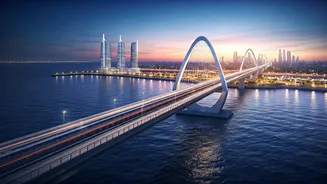
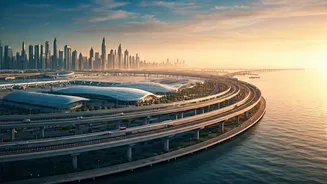
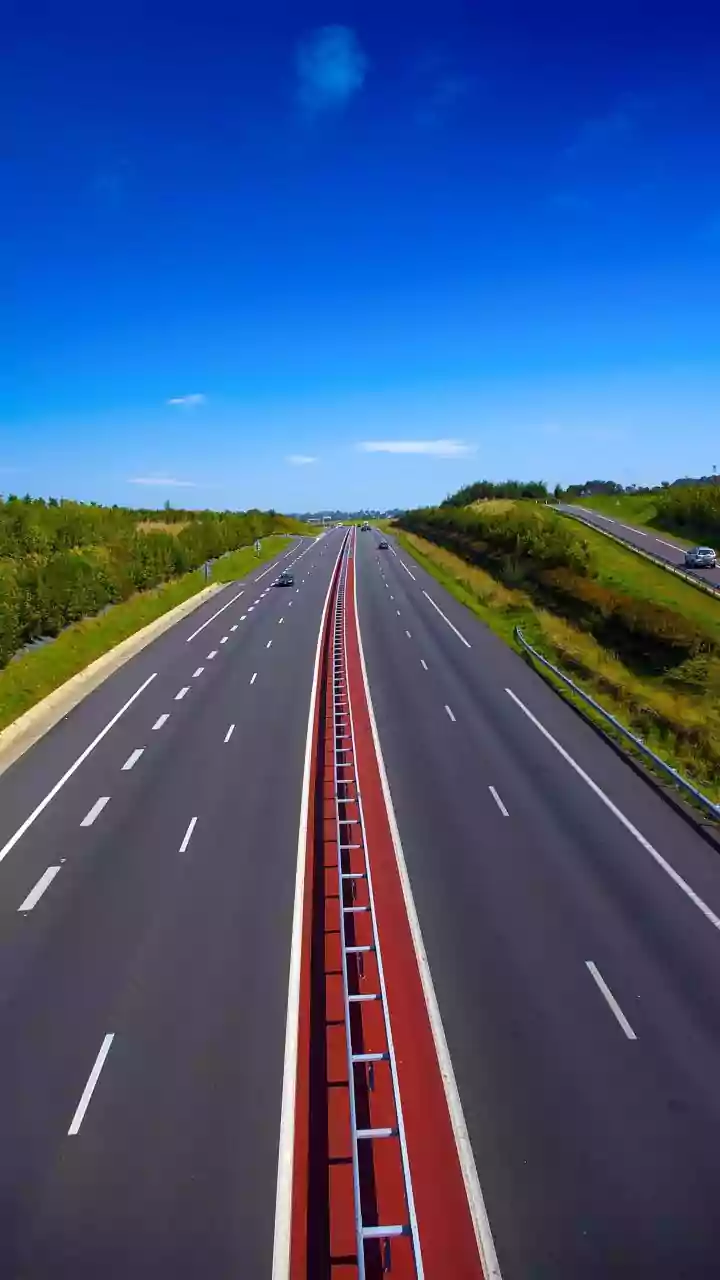
A pivotal component of Mumbai's infrastructural renaissance is the Atal Setu, an engineering marvel stretching an impressive 21.8 kilometers, making it the longest sea bridge in India. This colossal structure now serves as a crucial artery, directly linking the southern parts of Mumbai with Navi Mumbai. The impact of this new connection is profound, drastically reducing travel times from the previous hour-long journey to a mere 20 minutes. This enhanced connectivity has already triggered a significant upswing in the real estate market, with property values in key areas like Ulwe and Panvel experiencing notable increases, ranging from 10% to 30%. The Atal Setu represents more than just a bridge; it's a catalyst for regional integration, economic stimulation, and a testament to Mumbai's evolving urban fabric.
Metro Lines Expand Reach
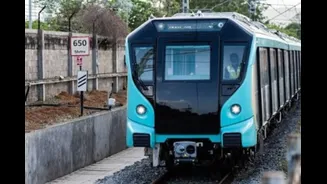
The Mumbai Metro's footprint has expanded significantly, crossing the 100 km mark and venturing into new territories. A notable development is the Aqua Line 3, entirely underground, which commenced operations in late 2025, establishing a direct link between Cuffe Parade and the international airport, thereby greatly simplifying airport accessibility. Further enhancing the network, Metro Line 9 was inaugurated in April 2026, extending metro services to Thane for the very first time, integrating this key suburban district into the broader metro network. Concurrently, the Coastal Road project's first phase has dramatically improved intra-city commutes, slashing the travel time between Marine Drive and Worli from approximately 40 minutes to just 12 minutes, underscoring the transformative effect of these new transit arteries on daily urban mobility.
Future Projects Accelerate
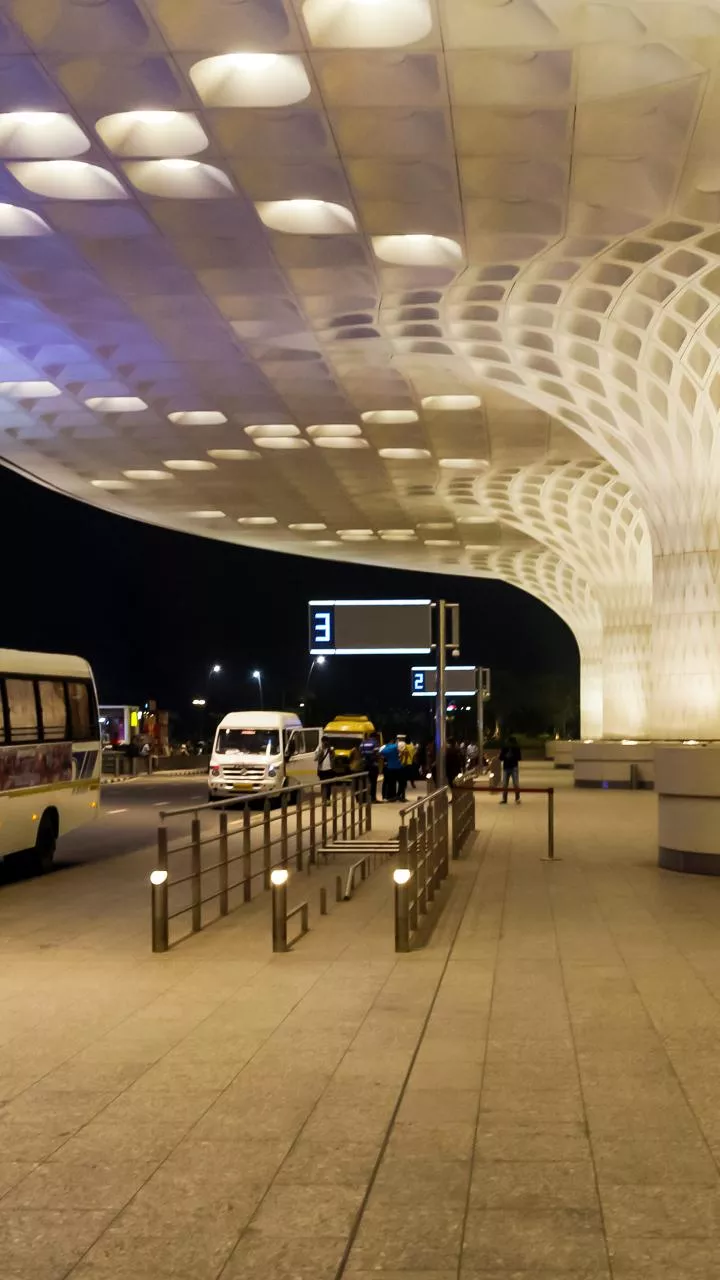
Looking ahead, Mumbai's infrastructure momentum is set to continue with several large-scale projects nearing completion or in advanced stages. The Navi Mumbai International Airport, already initiating early operations, is projected to become a major aviation hub capable of handling up to 90 million passengers annually, representing a substantial $2 billion investment. To alleviate congestion in the city's northern reaches, plans are well underway for the Thane-Borivali twin tunnel, which will burrow beneath the sprawling Sanjay Gandhi National Park. Furthermore, the ambitious 508 km high-speed rail corridor connecting Mumbai and Ahmedabad is nearing its operational phase, designed to accommodate speeds up to 320 km/h. Other critical developments, such as the proposed Versova-Bandra sea link, are also contributing to the city's enhanced regional connectivity.
Revenue Surges From Construction
The vibrant construction and redevelopment activity across Mumbai has significantly reshaped the municipal corporation's revenue streams. For the 2025-26 financial year, premiums collected from builders for redevelopment projects soared to Rs 11,626 crore, eclipsing traditional property tax collections and establishing itself as the primary source of income for the Brihanmumbai Municipal Corporation (BMC). This financial evolution clearly illustrates a growing trend where the city's own real estate expansion is increasingly shouldering the burden of its infrastructural development, demonstrating a self-sustaining model for urban growth and improvement driven by its dynamic property market.
Balancing Growth With Needs
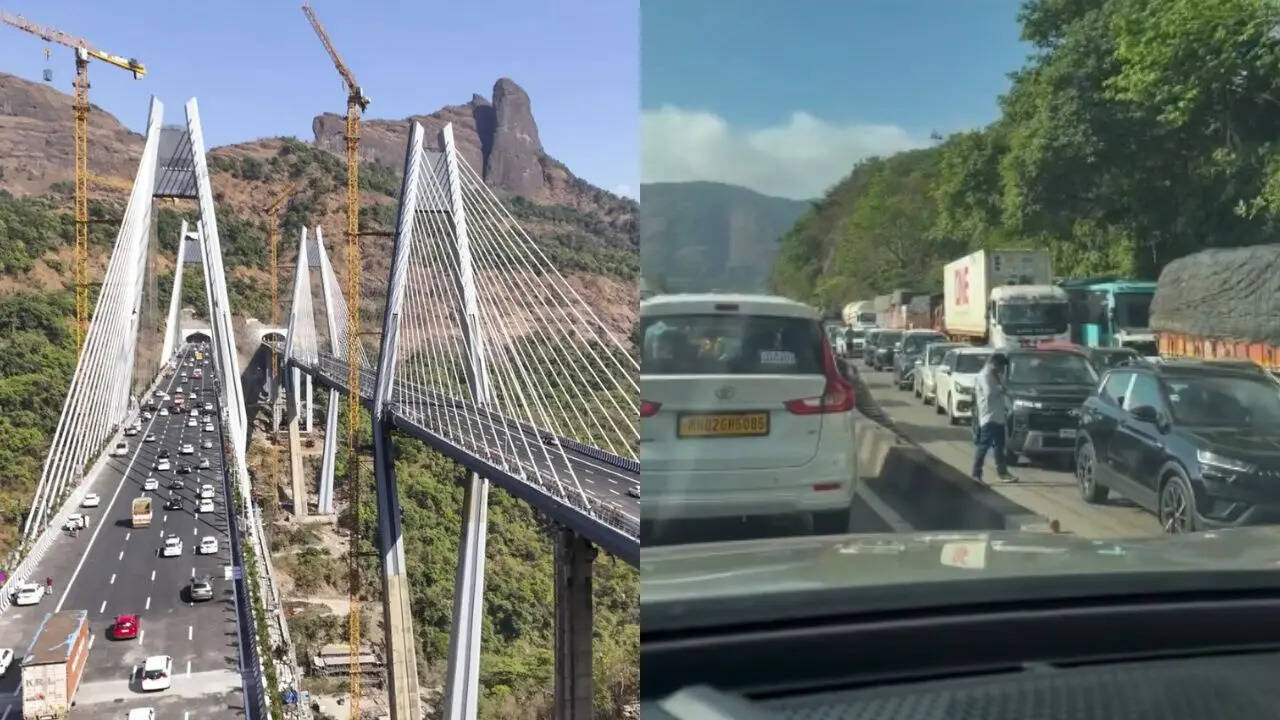
While Mumbai's infrastructure expansion is undeniably impressive, critical questions are being raised about the pace of essential services development in comparison to these large-scale projects. Experts highlight ongoing deficiencies in healthcare facilities, increasing environmental pressures, and persistent strain on the suburban railway system. Concerns have also been voiced regarding the adequacy of basic civic amenities, even as substantial investments are channeled into advanced infrastructure like expressways and high-profile connectivity projects. Urban planners emphasize the paramount importance of balanced development, urging that future investments must also bolster healthcare systems, sustainability initiatives, and everyday public services to ensure that Mumbai's considerable growth translates into a tangible improvement in the quality of life for all its inhabitants.