




The Manual Driving Experience
Manual transmission vehicles offer a direct connection between the driver and the car's mechanics, a characteristic cherished by many driving enthusiasts.
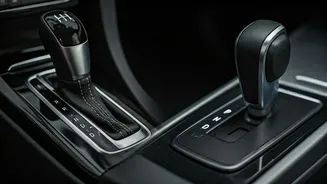
The driver actively engages with the clutch pedal and gear stick to select each gear. Historically, manual cars in India were favored for their affordability and superior fuel efficiency, especially in smaller petrol engines. Maintenance costs were also generally lower. However, the constant need to operate the clutch in stop-and-go traffic can become quite taxing and tiresome, diminishing the overall comfort of the drive, particularly on daily commutes through congested urban landscapes. This tactile control provides a sense of mastery over the vehicle's performance, which is a significant draw for those who enjoy the act of driving itself.
The Ease of Automatics
Automatic transmission cars simplify the driving process by managing gear changes independently, allowing the driver to focus solely on steering, accelerating, and braking. This makes them exceptionally convenient, particularly in city environments characterized by heavy traffic. Modern automatic gearboxes have evolved significantly, offering smoother shifts and enhanced responsiveness. Many contemporary automatic models now achieve fuel economy figures comparable to their manual counterparts. Features such as hill-hold assist and creep function further augment the comfort and ease of urban driving. The primary advantage of an automatic lies in its convenience; it significantly reduces stress during long commutes and is often easier for novice drivers to master. This clutch-free operation transforms the driving experience into a more relaxed and less demanding affair.
Cost and Maintenance Factors
When considering the financial aspect, manual cars typically present a more accessible entry price point. The initial purchase cost is generally lower compared to automatic variants. Furthermore, routine maintenance and eventual repairs for manual transmissions tend to be less expensive. This cost-effectiveness extends to fuel consumption, where manual cars, especially in smaller engine capacities and petrol variants, often achieve slightly better mileage. In contrast, automatic cars usually come with a higher upfront cost. The complexity of automatic gearboxes, depending on the specific type (e.g., CVT, DCT, torque converter), can also translate into higher maintenance and repair expenses over the vehicle's lifespan. Therefore, while automatics offer convenience, the initial investment and potential long-term repair bills are considerations for budget-conscious buyers.
Making Your Final Choice
The optimal choice between a manual and an automatic car hinges on a personalized assessment of your driving habits, environment, and financial considerations. If your daily routine involves navigating dense city traffic and you prioritize a stress-free commute, an automatic transmission is likely the more sensible option, offering enhanced comfort and reduced fatigue. Conversely, if you are an avid driver who relishes the engagement of shifting gears, frequently undertake long journeys on highways, or are particularly sensitive to initial purchase and ongoing maintenance costs, a manual car can still be a highly rewarding and practical choice. There isn't a universally correct answer; the best gearbox is the one that most closely aligns with your individual needs, daily usage patterns, and the specific traffic conditions prevalent in your city.