




Cosmic Impact Origin
Approximately fifty millennia ago, a colossal meteorite, weighing an astonishing two million tons and hurtling through space at incredible speeds, collided
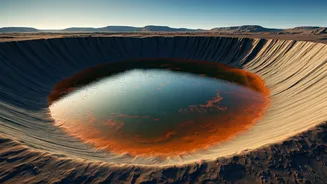
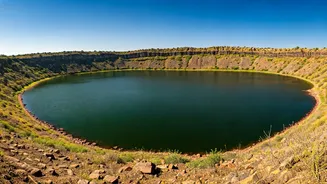
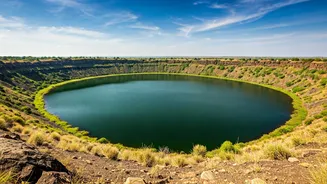
with the Earth's crust. This dramatic impact occurred on the Deccan Plateau, specifically within the hard basaltic rock formations. The sheer force of this extraterrestrial collision sculpted a massive depression, creating what is now Lonar Lake. This geological formation is not just a crater; it's a profound connection to the cosmos, leaving a tangible, permanent scar on India's landscape. Its formation in basaltic rock, similar to the surface composition of Mars, has earned it the remarkable designation as Earth's 'twin' to the Red Planet. This similarity makes Lonar an invaluable site for NASA scientists seeking to understand Mars' watery past, essentially bringing a piece of Martian geology to our own planet.
Dual Water Mystery
Descending into the Lonar crater feels like entering another realm. The atmosphere shifts, a palpable coolness descends, and the modern world seems to fade away, replaced by steep, verdant walls cloaked in a dense, almost prehistoric-looking jungle. Within this secluded environment, the lake itself presents an extraordinary phenomenon: two distinct bodies of water that remarkably refuse to intermingle. One section is distinctly alkaline, while the other is saline. This unique chemical dichotomy has puzzled researchers for a considerable duration, creating a landscape that is simultaneously sweet and salty, a testament to the complex geological and biological processes at play. It's a natural wonder that defies simple explanation, a dual-natured ecosystem within a single crater.
Vibrant Microbial Bloom
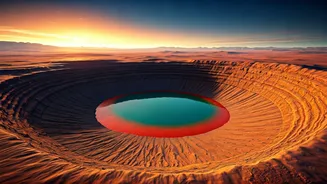
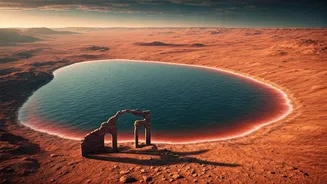
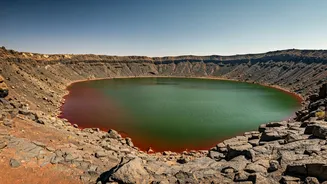
Lonar Lake is a master of astonishing transformations, most notably its sudden shift in color. In 2020, the world witnessed the lake turn an unexpected, vibrant pink, a spectacle that sparked curiosity and awe. This surreal change was not an anomaly or a sign of distress, but rather a dazzling display of microbial life. The phenomenon was attributed to a specific type of microbe known as Haloarchaea. A surge in the lake's salinity acted as a trigger, prompting these microorganisms to release pigments that dramatically altered the water's hue from its usual emerald green to a striking rose. This event serves as a potent reminder that Lonar is far from a static geological relic; it is a dynamic, living entity capable of surprising revelations.
Ancient Ghost Temples
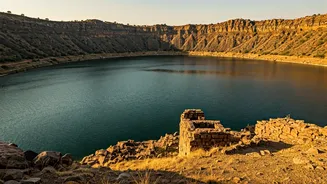
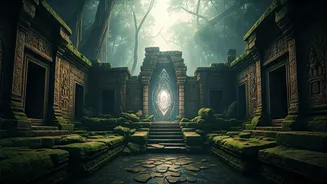
Adorning the shores of Lonar Lake are the enigmatic 'Ghost Temples,' ancient ruins dating back to the 12th century. These Hemadpanti-style structures, characterized by their intricate stone carvings and architecture, are gradually being absorbed by the encroaching silt and the persistent grip of nature's vegetation. A profound sense of stillness pervades these sacred sites, where stone has stood for nearly a millennium. However, within the immense timescale of the crater's existence, these centuries-old temples represent a comparatively brief chapter. Their silent presence offers a poignant reflection on the transient nature of human civilizations against the enduring backdrop of geological time, emphasizing the crater's continuous existence through millennia.
Geological Souvenirs
Even the very ground beneath your feet at Lonar tells a compelling narrative of cosmic power transformed into natural beauty. A close examination of the soil can reveal fascinating remnants of the impact event. You might discover 'maskelynite,' a glassy material formed under the intense heat and pressure of the meteorite strike. Additionally, magnetic fragments are present, capable of causing compass needles to behave erratically, a peculiar phenomenon for those fascinated by space and geology. Each fragment, each piece of earth, serves as a tangible souvenir from the stars, a direct link to the moment prehistoric Earth was irrevocably altered by an extraterrestrial visitor. It's a place where history is not just read, but can be physically touched.
Timeless Cosmic Perspective
As dusk settles and the sun descends below the crater's rim, casting elongated shadows across the water's surface, one begins to grasp the profound significance of Lonar. It transcends being merely a tourist attraction or a scientific curiosity; it offers a humbling perspective on the vastness of time. For fifty thousand years, this crater has silently borne witness to monumental shifts in Earth's history, from the end of the Ice Age and the rise and fall of countless civilizations to the gradual movement of celestial bodies in the night sky. Standing here evokes a sense of being at the nexus of terrestrial and cosmic forces, a powerful reminder of our planet's continuous evolution and its intimate relationship with the universe.