



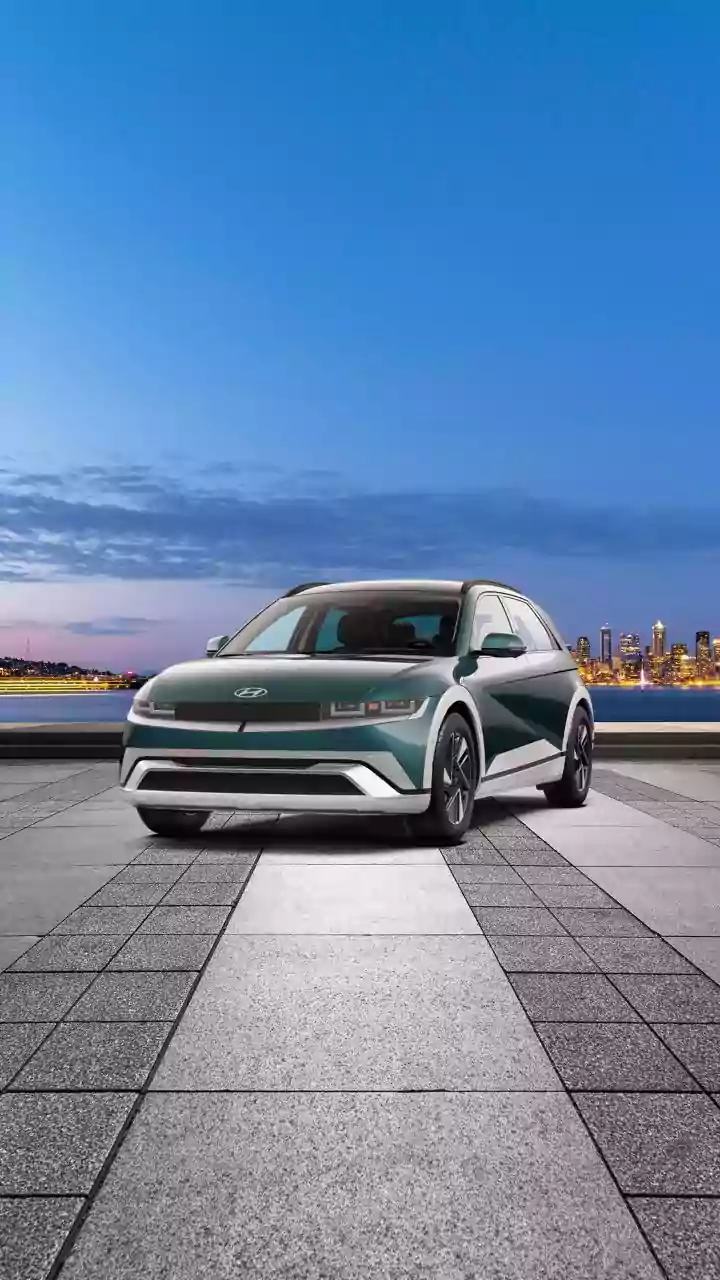



Sales Figures Soar
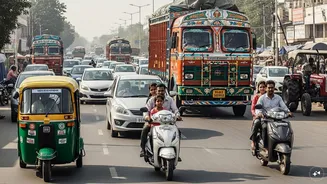
Passenger vehicle sales in India witnessed a remarkable surge of 22% following the GST revamp, reflecting a robust recovery and changing consumer preferences.
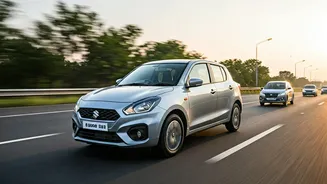
This significant increase underscores the impact of policy changes and improved market conditions. Leading the charge, Maruti Suzuki secured the top position in November sales figures. Tata Motors, Mahindra, and Hyundai followed suit, demonstrating the competitive landscape and diverse offerings available to consumers. The strong performance of these manufacturers highlights the evolving dynamics of the Indian automotive market, where different brands compete to meet the varying needs and preferences of the customers. The figures illustrate the industry's resilience and its capacity for growth.
Market Leaders' Performance
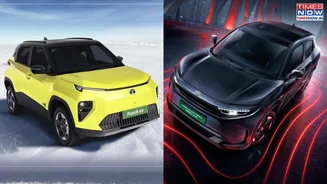
Maruti Suzuki dominated the sales charts in November, underscoring its continued strong market presence. Tata Motors, Mahindra, and Hyundai secured subsequent positions, indicating the diverse range of consumer choices in the Indian automotive sector. The performance of these leading companies reflects their successful product strategies, effective marketing, and strong distribution networks. This competitive landscape motivates automakers to continually innovate and improve their offerings to maintain or increase their market share. These top performers indicate a healthy competition, leading to consumer benefit.
Two-Wheeler Market Growth
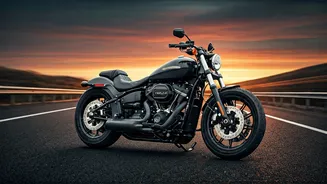
The two-wheeler market in India also showed considerable growth, with wholesale volumes increasing by 19% in November. This growth was spurred by the combined effect of GST cuts and attractive dealer offers. These factors have made two-wheelers more affordable and appealing to a wider audience, contributing to increased sales volumes. This positive trend demonstrates the responsiveness of the automotive industry to government initiatives and market demands. The growth of the two-wheeler segment also underscores the importance of this market in the broader Indian automotive industry. The growth in the two-wheeler segment is influenced by price cuts and offers.
EV Sales Projections
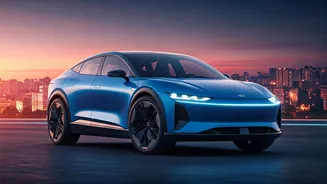
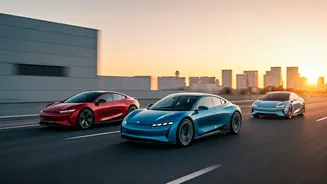
Looking ahead, India is projected to reach 22 million electric vehicle (EV) sales by 2035, with an expected penetration rate exceeding 50%. This signifies a substantial shift towards electric mobility in the country. This projection underscores the government's push and the rising consumer interest in EVs. This anticipated surge in EV adoption will drive innovation in the automotive sector, focusing on enhancing EV technology and infrastructure. The ambitious target suggests a transformation within the Indian automotive market, promoting environmental sustainability and evolving consumer needs. The EV segment is expected to show significant growth in the coming years.
Upcoming Model Launches
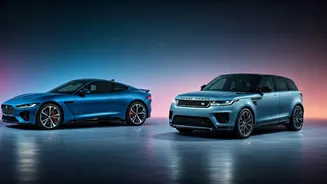
Several new models are slated for launch in the Indian market, reflecting the manufacturers' commitment to innovation and expansion. Nissan plans to introduce three new models, including the Tekton, Gravite, and a 7-seater SUV. The launch of these models reflects the growing demand for new automotive options in India. These upcoming launches signify the companies' strategies to capture a share of this growing market. These introductions highlight the ongoing evolution and competition among automotive manufacturers, with the focus on providing diverse options to meet the needs of Indian consumers. The plans for new models show the commitment of the manufacturers towards the Indian market.