
A New Chapter
Bajaj launched a new electric scooter under the esteemed Chetak brand on January 14, 2026. This launch marked a strategic shift, introducing a model designed
for a more budget-conscious segment of the market. This move reflected the company's objective to make electric mobility more accessible to a broader consumer base in India. The new scooter’s unveiling was a response to the growing demand for affordable electric two-wheelers. The company strategically positioned this new Chetak variant to tap into a rising market and expand its foothold in the competitive electric vehicle industry. This strategic move aligns with the increasing consumer preference for environmentally friendly and cost-effective transportation solutions, thereby strengthening Bajaj's position in India’s rapidly evolving EV sector.
Designed Affordability
To maintain a competitive price point, the newly launched Chetak featured a hub-mounted motor, ensuring a balance between cost-effectiveness and performance. This design choice allowed for a more economical manufacturing process without compromising on essential features. The scooter was equipped with a telescopic front fork and dual rear shock absorbers. The suspension system ensured a comfortable ride quality, especially on varied road conditions. The choice of 12-inch alloy wheels was retained for durability and stability, which further enhanced the scooter's overall appeal. Furthermore, a front disc and rear drum braking setup were incorporated, combining safety and cost-efficiency. In place of premium displays, a simpler LCD instrument cluster was chosen. This was a deliberate effort to minimize costs and keep the scooter accessible, aligning with the brand’s strategy to attract budget-minded consumers.
Visual Refresh
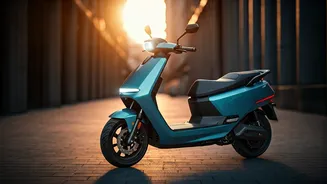
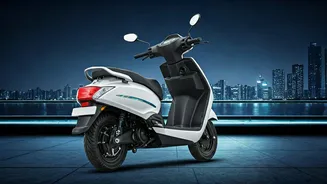
The new Chetak introduced a distinctive design update, notably in its rear profile. The traditional split LED tail-light arrangement, which had the Chetak badge placed at the center, was replaced. The new design showcased a sleek, horizontal LED strip across the rear of the scooter. This new tail-light configuration gave the scooter a more modern and streamlined appearance. Indicators were positioned at both ends of this horizontal LED strip. The 'Chetak' branding was now prominently placed above the tail-light. This updated design enhanced the scooter’s visual appeal and set it apart from existing models. The alterations in design catered to modern aesthetics. These design changes aimed to appeal to a wider range of consumers and increase the scooter's marketability in the growing electric vehicle segment.
Market Strategy
The introduction of this new Chetak variant represented a key strategy in Bajaj's approach to the Indian electric vehicle market. The company focused on affordability and broader market appeal. The existing Chetak models are in a premium category. The new model intends to attract a wider audience, including those who are cost-conscious. By making electric mobility more affordable, the brand aimed to enhance its presence within the quickly expanding EV sector. This strategy involves more than merely offering a cheaper product. It also involves providing essential features. The launch aims to convert the growing demand for electric vehicles into a significant market share. The effort is positioned to gain traction within a highly competitive sector. The target demographic of this new scooter included cost-conscious buyers across India.
Tech Specs Overview
The current Bajaj Chetak lineup features two battery pack options: 3 kWh and 3.5 kWh, divided into the 3001 and 35 series. Within the 35 series, consumers have the option of choosing from three sub-variants: 3501, 3502, and 3503. The entry-level 3001 and 3503 models are equipped with basic features like a negative LCD display with mobile connectivity. Higher-end trims, such as the 3501 and 3502, feature more advanced components like a TFT display. The top-spec 3501 model provides a touchscreen interface and app integration. The pricing begins at Rs 99,500 (ex-showroom) for the 3001 model and goes up to Rs 1.22 lakh (ex-showroom) for the 3501. This is a contrast to the approach taken by the new, budget-friendly Chetak variant. The new model simplifies the instrument cluster for broader affordability and accessibility.