
Biofuels: Fueling Tomorrow
The budget allocates significant resources to promote biofuel production and adoption within the automotive sector. This strategic move aims to reduce
reliance on fossil fuels and promote a more sustainable energy mix. Biofuels, derived from renewable sources like agricultural waste and plant matter, offer a cleaner alternative to conventional gasoline and diesel. These government initiatives include tax incentives, subsidies, and infrastructure development to support biofuel production. Moreover, the focus on blending biofuels with existing fuels ensures a smooth transition and widespread availability. This aligns with the country's broader environmental goals, contributing to reduced greenhouse gas emissions and improved air quality. The shift also boosts rural economies by supporting agricultural sectors involved in biofuel production, potentially creating new job opportunities and driving economic growth in those areas. This approach represents a holistic strategy to modernize India's automotive fuel system. Consequently, the emphasis on biofuels positions India as a leader in green transportation, demonstrating a commitment to global climate action and sustainable development. The impact includes lowered carbon footprints and a more diversified, resilient energy sector.
Batteries: Powering the Future
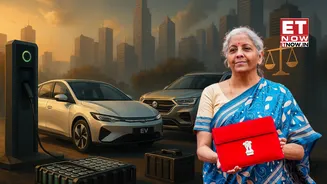
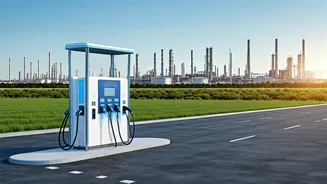
The Union Budget 2026 also significantly emphasizes battery technology, crucial for the development of electric vehicles (EVs). Investments are aimed at accelerating the manufacturing of batteries domestically, thereby reducing dependence on imports and supporting the growth of the EV market. The focus encompasses establishing battery manufacturing plants, providing research and development funding for advanced battery technologies, and implementing favorable policies such as tax benefits for EVs and charging infrastructure. These financial measures are intended to lower the cost of electric vehicles, making them more accessible to a wider population. Additionally, these incentives encourage greater adoption and help establish a robust ecosystem for EV components, creating a fertile ground for innovation and attracting foreign investment. The budget’s commitment to supporting battery technology will strengthen the automotive sector, drive environmental sustainability, and contribute significantly to India's energy transition. Therefore, this move will create a complete ecosystem for electric vehicles, increasing affordability and technological innovation.
Future Mobility: Key Impacts
The combined effect of focusing on biofuels and battery technologies in Budget 2026 will transform India's automotive sector. Reduced pollution, energy security, and technological advancement are anticipated. The focus on biofuels enables a smoother transition to cleaner fuel sources, decreasing reliance on imported petroleum products and reducing greenhouse gas emissions. The emphasis on battery technology accelerates the adoption of EVs, mitigating air pollution in urban areas and promoting a cleaner transportation system. Moreover, these budgetary decisions encourage domestic manufacturing, foster innovation, and create a strong ecosystem for future mobility solutions. The strategic initiatives demonstrate the government's commitment to building a sustainable and resilient automotive industry, stimulating economic growth and positioning India as a global leader in green technologies. By carefully allocating resources to these key areas, the budget aims to chart a course for India's future mobility, promoting environmental sustainability, energy security, and technological innovation within the automotive sector.
Policy, Growth, and Outlook
The strategic investments outlined in Budget 2026 align with India's long-term environmental and economic objectives, offering a roadmap for sustainable growth within the automotive industry. Policy decisions promoting biofuels and battery technology play a critical role in realizing India's goal of becoming a major player in the global EV market. These policies stimulate research, innovation, and manufacturing capacity, thereby creating new job opportunities and attracting investments. Further growth relies on strategic partnerships, technology transfer, and collaboration between the public and private sectors. By emphasizing biofuels and battery technologies, Budget 2026 showcases the government's forward-thinking approach toward creating a cleaner, more sustainable, and technologically advanced automotive industry. The budget lays the foundation for a vibrant and resilient automotive sector, poised to make significant contributions to India's economic growth and environmental objectives. This policy approach will transform the automotive sector significantly and position the country as a global leader in sustainable transportation solutions.