
The Importance of Gear
Motorcycle riding, while exhilarating, demands serious preparation, particularly in the realm of safety equipment. The primary reason for investing in quality
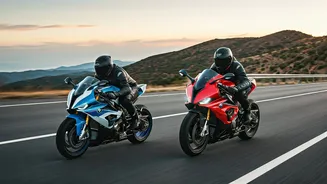
riding gear is straightforward: protection. Jackets, pants, helmets, gloves, and boots serve as a crucial shield against potential injuries in the event of an accident. These items are constructed to absorb impact, minimize abrasion, and offer vital protection. Furthermore, well-chosen gear also enhances comfort and riding experience. Jackets and pants provide insulation from the elements, while helmets cut down wind noise and provide a clear field of view. The right gear can significantly reduce fatigue, allowing riders to maintain focus and enjoy longer rides. Prioritizing gear is not just about complying with safety guidelines; it is about embracing a safer and more enjoyable riding experience. This allows a rider to enjoy the ride with the necessary level of safety and security, knowing they are well-protected.
Jackets and Pants Selection
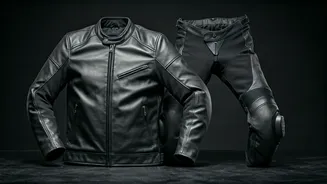
Selecting the right jacket and pants is essential for rider safety and comfort. These pieces of gear are designed to protect against abrasion and impact in a crash, as well as shield riders from the elements. There are typically two primary material choices: leather and textile. Leather jackets and pants are prized for their superior abrasion resistance and durability, offering excellent protection in a slide. However, they can be less breathable and require more maintenance. Textile options, made from materials like nylon or polyester, often come with added features such as waterproof linings and ventilation panels, making them suitable for various weather conditions. When choosing a jacket and pants, the fit is paramount. Gear should fit snugly without restricting movement. Consider features like armor at the shoulders, elbows, and knees, along with back protectors. Ventilation is also important, especially in warmer climates; look for jackets and pants with zippered vents to regulate airflow. Also think about the features that match the type of riding one would do, whether it be city riding or long highway stretches.
Why Riding Gear?
The rationale behind investing in motorcycle riding gear extends beyond simply looking the part; it is rooted in fundamental safety. Riding gear serves as a crucial line of defense in the event of a crash, significantly reducing the risk of injuries. Unlike cars, motorcycles offer minimal protection; the rider is exposed to the elements and the road. This makes proper gear indispensable. The primary function of riding gear is to mitigate the impact of a crash. Quality jackets and pants have impact armor at critical areas, such as the shoulders, elbows, hips, and knees. These protectors absorb energy from a fall, minimizing the force transferred to the rider’s body. Gear is also designed to resist abrasion, protecting the rider’s skin from road rash if they slide across the pavement. This is particularly crucial at high speeds, when even short slides can cause severe injuries. In addition to protective qualities, riding gear also enhances visibility. Many jackets and pants feature reflective elements, making riders more noticeable to other vehicles, especially at night or in low-light conditions. Wearing gear is not just about compliance; it is a commitment to minimizing risk and increasing the chances of walking away from an accident relatively unscathed.
Choosing the Right Helmet
The helmet is undoubtedly the most critical piece of riding gear, providing protection for the head in a crash. When choosing a helmet, several factors must be considered to ensure the best possible safety and comfort. Start with the fit; a helmet should fit snugly, without being uncomfortably tight, and it should not move around on the head. Measure your head circumference to determine the appropriate size according to the manufacturer’s sizing chart. Look for a helmet that meets safety standards. Certifications from organizations like the Department of Transportation (DOT) or the Economic Commission for Europe (ECE) indicate that the helmet has undergone rigorous testing and meets minimum safety requirements. Consider the type of helmet that best suits your riding style. Full-face helmets offer the most comprehensive protection, covering the entire head and face. Modular helmets are a popular choice as they allow the chin bar to be raised, providing greater versatility. Open-face helmets offer good ventilation and a broader field of view, but provide less protection. Features such as a good ventilation system, a quality visor for clear visibility, and a comfortable liner are also important. The helmet should also be replaced every five years or after any impact.